
Fishing in the diverse freshwater systems of the Philippines requires a vessel that balances portability, stability, and reliable propulsion. Inflatable boats with motors have become highly popular among local anglers because they can be transported in the trunk of a car and launched in areas without concrete boat ramps. To choose the right setup, you must evaluate where you plan to fish, how many people will join you, and how much gear you need to carry. Matching your boat’s hull design and floor type to your target waterway ensures a safe and productive day on the water.
Assessing Local Waterways: Lakes vs. Rivers
The choice of an inflatable boat begins with understanding the specific characteristics of your fishing destination. Philippine lakes, such as Laguna de Bay, Lake Taal, or Lake Lanao, present different challenges compared to winding river systems like the Pampanga or Cagayan rivers. While lakes often seem calm, they are highly susceptible to sudden wind shifts and choppy waves, especially during the monsoon seasons.
For large, open lakes, a boat with a shallow V-hull design is generally preferred. The slight V-shape at the bow helps cut through chop and reduces the slamming effect when riding over waves, providing a drier and more comfortable ride. This design also improves tracking, which is the boat’s ability to maintain a straight course when wind or waves try to push it off target. If you plan to fish near fish pens or open lake structures, a V-hull inflatable will give you the control needed to navigate safely.
Products mentioned in this guide
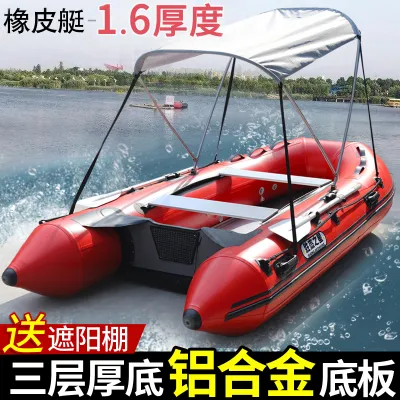
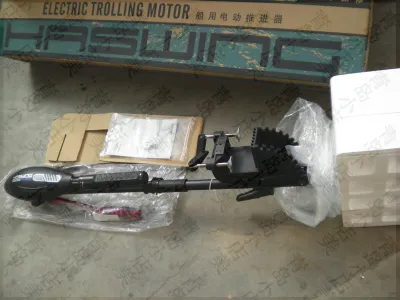
Prices are valid at publication and may change. Please refer to the product page for the latest price.
Conversely, flat-bottom inflatable boats are highly suited for shallow rivers and calm, sheltered coves. A flat bottom draws very little water, allowing you to glide over shallow sandbars and navigate tight, weedy areas where fish often hide. However, flat-bottom boats tend to slide or drift more in strong winds and do not handle rough chop as smoothly as V-hull models. When fishing in rivers, you must also remain vigilant about submerged hazards like logs, rocks, and bamboo stakes, which makes a heavy-duty hull material essential.
Choosing the Right Size and Stability Features
Selecting the correct dimensions for your inflatable boat is a balance between deck space and portability. You must calculate the total weight capacity by adding up the weight of all anglers, fishing tackle, coolers, anchors, the motor, and the fuel tank or battery. For a solo angler, a boat measuring 2.5 to 3 meters is usually sufficient and easy to handle alone. If you regularly fish with a partner, look for a boat that is at least 3.3 to 3.8 meters long to ensure you both have enough room to cast safely without tangling lines.

The type of floor inside your inflatable boat directly impacts your stability while fishing. Traditional slat floors, made of wood or aluminum panels placed side by side, are highly portable and allow the boat to roll up easily. However, they can feel slightly unstable underfoot when you stand up to cast or reel in a fish. For a more rigid fishing platform, high-pressure drop-stitch floors are an excellent alternative. These floors inflate to a high pressure, creating a surface nearly as hard as a traditional solid deck, allowing you to stand, walk, and balance with confidence.
Fishing-specific features can greatly enhance your convenience on the water. Look for inflatable boats that come equipped with built-in rod holders, gear pouches, and heavy-duty D-rings for securing anchors or dry bags. A reinforced transom is also critical; this is the flat wooden or fiberglass board at the stern where the motor mounts. The transom must be securely bonded to the inflatable tubes with multi-layer reinforcement to withstand the constant vibration and thrust of your motor over time.
Matching Motor Power to Your Boat and Waterway
Pairing your inflatable boat with the correct motor is essential for both performance and safety. To determine the required power, you must consider the total weight of your loaded boat and the typical water conditions you will encounter. A motor that is too small will struggle against strong river currents or head winds on a lake, while an oversized motor can overload the transom and make the boat unstable or difficult to control.
For quiet, slow-speed maneuvering in calm lakes and shallow marshes, electric trolling motors are highly practical. These motors run on deep-cycle marine batteries and allow you to stealthily approach fishing spots without scaring the fish. They are lightweight, easy to mount, and require virtually no maintenance. However, you must factor in the weight of the heavy lead-acid or lithium battery required to power them, and keep in mind that their speed and runtime are limited compared to gasoline engines.
If you plan to travel long distances across large lakes or navigate rivers with moderate currents, a small gasoline outboard motor is generally more suitable. Gas outboards, typically ranging from 2.5 to 10 horsepower for recreational inflatables, provide the necessary thrust to push a loaded boat against moving water. Before purchasing, always check the boat manufacturer’s maximum horsepower rating plate, which is usually located on the transom. Never exceed this limit, and ensure the motor’s shaft length matches your transom height to prevent cavitation or excessive drag.
Essential Safety and Pre-Launch Checks
Operating an inflatable boat with a motor requires a disciplined approach to safety and maintenance. While modern inflatables are highly durable, no equipment can replace sound personal judgment, basic navigation skills, and awareness of your physical limits on the water. Before inflating your boat, clear the assembly area of sharp rocks, twigs, or debris that could puncture the fabric. Inspect the seams and valves for any signs of wear, air leaks, or loose fittings. It is highly recommended to inflate the boat a day before your trip to verify that all air chambers hold pressure consistently over several hours.
In the tropical climate of the Philippines, temperature changes can cause significant fluctuations in air pressure. Direct sunlight heats the air inside the tubes, causing it to expand and potentially over-pressurize the chambers. Conversely, launching the boat into cool lake or river water will cause the air inside to contract, making the tubes feel soft. Carry a manual hand pump and a pressure gauge with you so you can adjust the inflation levels as needed throughout the day to maintain structural integrity.
Before starting your motor, perform a basic mechanical check to ensure safe operation. For gasoline outboards, check the fuel lines for leaks, ensure the vent on the fuel cap is open, and verify that the emergency kill switch lanyard is securely attached to your life jacket or wrist. For electric setups, inspect the battery terminals for corrosion and ensure the battery is secured in a waterproof box. Always carry mandatory safety gear, including a properly fitted personal flotation device (PFD) for every passenger, a set of oars, a puncture repair kit, a whistle, and a basic anchor with sufficient rope.
Frequently Asked Questions (FAQ)
Do I need to register an inflatable boat with a motor in the Philippines?
Yes, motorized watercraft generally require registration in the Philippines, even if they are inflatable. The Maritime Industry Authority (MARINA) oversees the registration of recreational and utility vessels. You should consult the nearest MARINA regional office or your local government unit (LGU) to verify the specific documentation, safety inspections, and fees required for small motorized boats in your area. Operating an unregistered motorized vessel on public lakes and rivers can result in fines or confiscation by maritime authorities.
How should I store my inflatable boat to prevent material degradation?
To protect your inflatable boat from the intense heat and high humidity of the Philippine climate, proper storage is essential. After each fishing trip, thoroughly wash the boat with fresh water and mild soap to remove salt, mud, and organic debris. Allow the boat to dry completely in the shade before folding it, as trapping moisture inside can lead to mold, mildew, and seam degradation. Store the deflated boat in a cool, dry, and well-ventilated area away from direct sunlight and pests, and avoid placing heavy objects on top of the folded fabric.

Community discussion
Share your experience or ask a question. Comments are reviewed before publication.