
Selecting the correct junior basketball ball is one of the most critical decisions for a young player’s development, directly influencing their shooting form, passing accuracy, and overall confidence on the court. While adult players use a standard Size 7 ball, youth players require smaller, lighter options to match their physical development and hand span. Choosing between a Size 5 and a Size 6 basketball depends primarily on the player’s age, biological sex, and hand size, as using a ball that is too large can lead to persistent mechanical errors in their shot.
Understanding Basketball Sizes for Junior Players
To understand which ball fits your young athlete, you must first look at the physical dimensions that separate these two sizes. A Size 5 basketball typically measures 27.5 inches (approximately 70 centimeters) in circumference and weighs between 17 and 18 ounces. This size is engineered specifically for younger players who are still building fundamental hand-eye coordination and upper-body strength.
In contrast, a Size 6 basketball measures 28.5 inches (approximately 72.4 centimeters) in circumference and weighs between 18 and 20 ounces. While a one-inch difference in circumference and a two-ounce difference in weight might seem negligible to an adult, to a junior player, this shift significantly alters how the ball feels in their hands and how much force is required to launch a shot toward a standard ten-foot hoop.
Products mentioned in this guide
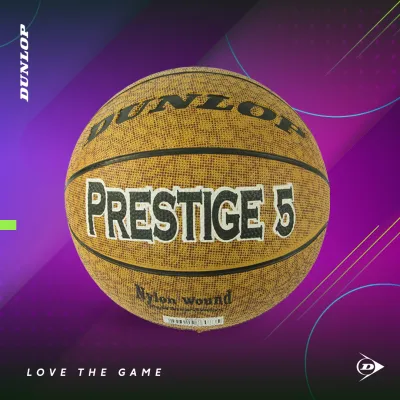
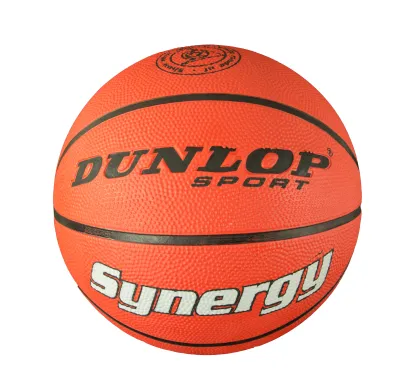
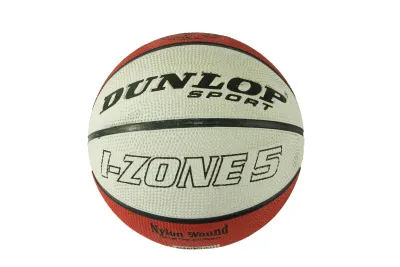
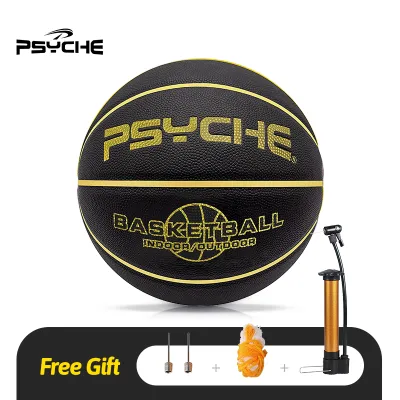
Prices are valid at publication and may change. Please refer to the product page for the latest price.
Using an oversized basketball too early forces a child to compensate for the extra weight and volume by altering their shooting mechanics. Instead of using a clean, one-handed release with a guide hand, young players often resort to pushing the ball from their chest or using both hands to fling it upward. These bad habits can take years of corrective training to break once they transition to competitive leagues.
Before purchasing, always inspect the ball’s surface for molded markings or printed specifications. Manufacturers typically stamp the official size directly onto the synthetic leather or rubber casing, often near the inflation valve. Verifying these markings ensures you do not accidentally purchase an intermediate or adult-sized ball that could hinder your child’s progress.
Matching the Ball to the Player's Age and Hand Size
While physical measurements are the most reliable indicators, youth leagues generally follow standardized age brackets to determine which ball size is used in competitive play. As a general guideline, a Size 5 basketball is the standard for boys and girls aged 9 to 11 years old. This size allows them to practice proper dribbling and passing techniques without straining their wrists or fingers.
As players mature, the recommendations diverge based on age and division rules. A Size 6 basketball is typically introduced for boys aged 12 to 14, and it serves as the official game ball size for girls and women from age 12 all the way through high school, college, and professional levels. If your child is participating in a local school league or community tournament in the Philippines, always check the specific tournament guidelines, as local organizers sometimes adjust these brackets based on division structures.
Age brackets are helpful starting points, but a player’s physical hand size and grip strength should ultimately dictate the choice. You can perform a simple, practical grip test at home or in the store to evaluate compatibility. Have the player extend their dominant hand and attempt to hold the ball securely from the top; while complete palming is rare for juniors, they should be able to control the ball comfortably with spread fingers without it slipping instantly.
If a player falls between standard age brackets or is transitioning to a larger size, a gradual adjustment period is highly recommended. Introduce the larger ball during light dribbling drills and close-range passing exercises before allowing them to take long-range shots. This approach builds the necessary wrist and forearm strength progressively, protecting their shooting form from breaking down under the heavier load.
Key Features to Check Beyond Size
Once you have determined the correct size, you must evaluate the ball’s construction materials based on where your child will play. In tropical climates like the Philippines, outdoor concrete courts are incredibly common, exposing equipment to intense heat, rough surfaces, and high humidity. For these rugged environments, a highly durable rubber basketball is the most practical choice, as it resists abrasion and maintains its grip even when covered in dust.
If your child primarily trains on indoor wooden courts or covered barangay courts with smooth surfaces, a composite leather basketball is highly recommended. Composite leather mimics the soft feel of genuine leather but offers better moisture management and durability at a more accessible price point. This material provides a reliable grip, allowing young players to practice advanced ball-handling skills with greater control.
Pay close attention to the ball’s physical design, specifically the depth of the channels and the texture of the pebbles. Deep, wide channels allow smaller fingers to find natural alignment quickly, which is essential for developing a consistent release and spin on shots. A pronounced pebble pattern across the entire surface ensures the ball does not slip easily when hands become sweaty during intense afternoon training sessions.
Finally, consistent inflation is vital for maintaining a predictable bounce and preventing hand fatigue. A ball that is underinflated will feel heavy and sluggish, while an overinflated ball will bounce erratically and can be difficult for a child to catch safely. Regularly check the air pressure using a reliable hand pump and pressure gauge, ensuring the pressure aligns with the manufacturer’s recommended range.
Frequently Asked Questions (FAQ)
Can a younger player use a Size 6 ball if they are exceptionally tall?
Even if a young player is exceptionally tall for their age, they should generally stick to a Size 5 ball until their hand span and wrist strength catch up. Height does not automatically equate to hand size or the muscular development required to shoot a larger ball with proper form. Prematurely moving up to a Size 6 ball can compromise their shooting mechanics, leading to a low release point or a two-handed push shot that is difficult to correct later.
How do I know if the junior basketball is properly inflated?
You can perform a quick, reliable drop test to check the inflation level without a pressure gauge. Hold the basketball at chest height (approximately 1.8 meters for an adult) and drop it onto a flat, hard concrete surface. A properly inflated junior basketball should bounce back up to about waist height; if it bounces significantly lower, it requires more air, whereas a bounce reaching chest level indicates it is overinflated and needs pressure released. Always locate the recommended pressure range, usually measured in pounds per square inch (PSI), printed directly next to the inflation valve.

Community discussion
Share your experience or ask a question. Comments are reviewed before publication.