
Selecting the right glove weight for your home boxing setup is the single most important decision for protecting your hands and maximizing your workout efficiency. When choosing the weight of your k1 extreme boxing gloves, the decision depends entirely on your specific training goals: lighter weights (typically 10 oz to 12 oz) are ideal for shadow boxing and speed drills, mid-range weights (12 oz to 14 oz) balance speed and protection for pad work, while heavier weights (14 oz to 16 oz or more) are necessary to cushion your knuckles against a dense heavy bag. Glove weight, measured in ounces (oz), directly correlates with the amount of protective padding layered over your knuckles. A heavier glove does not mean a larger fit for your hand size; rather, it indicates more material designed to absorb and disperse the force of impact.
Understanding how these weights function is crucial before you begin your home workouts. The ounce rating represents the physical weight of the padding and outer shell. More ounces mean thicker foam or gel layers, which slow down the deceleration of your punch upon impact, reducing the peak force transmitted to your delicate hand bones and wrist joints. Conversely, lighter gloves offer less resistance, allowing you to focus on hand speed, shoulder endurance, and clean punching form.
While general weight categories provide a baseline, your personal physical attributes must guide your final choice. Your body weight, hand circumference, and whether you wear thick hand wraps will heavily influence how a specific glove weight feels. A heavier individual striking with high force naturally requires more padding to prevent bottoming out the glove, whereas a lighter beginner might find heavy gloves cause rapid shoulder fatigue, compromising their form.
Products mentioned in this guide
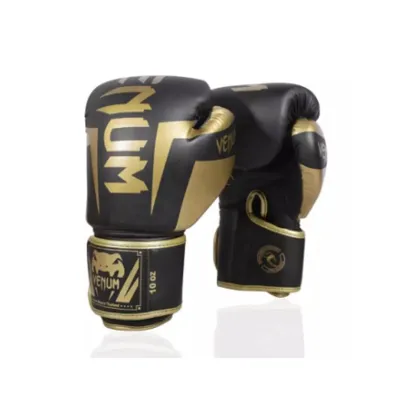

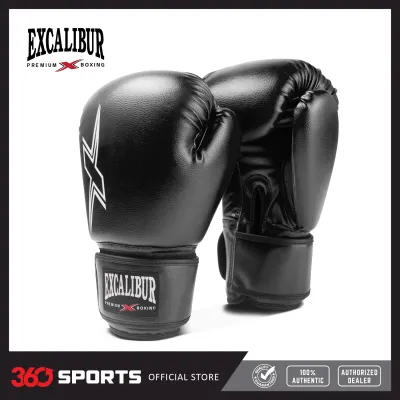
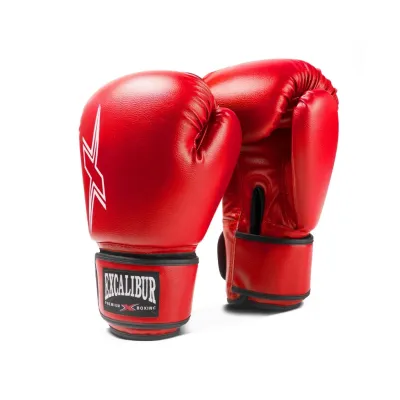
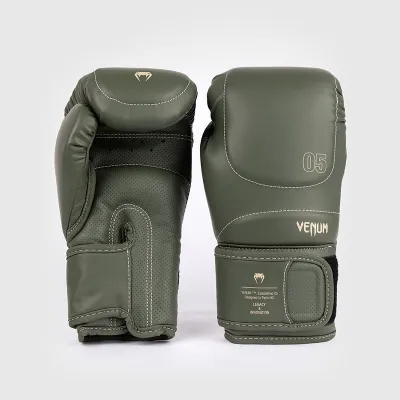
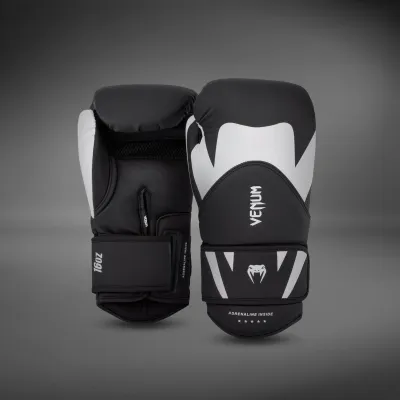
Prices are valid at publication and may change. Please refer to the product page for the latest price.
Matching Glove Weight to Your Specific Home Drills
Setting up a home boxing corner in the Philippines means you must adapt your gear to the specific drills you perform. Unlike a commercial gym where you might have access to an array of communal equipment, your home setup relies on a few key pieces of gear that must perform reliably under tropical conditions. Different drills place unique physical demands on your hands, meaning a single glove weight may not perform optimally across all exercises.
To make an informed choice, you must analyze your weekly training routine. If your workouts consist primarily of solo heavy bag sessions to build power, your padding requirements will differ drastically from someone focusing on high-tempo shadow boxing or light pad work with a family member. Let us break down how to evaluate the K1 Extreme lineup against the three primary home training modalities.
Heavy Bag Workouts
Striking a dense, stationary heavy bag generates significant feedback that travels directly up your knuckles, wrist, and forearm. For home heavy bag workouts, you should look toward the heavier end of the spectrum, typically 14 oz or 16 oz gloves. This extra padding is vital for absorbing repetitive, high-impact forces over multi-round sessions, protecting the small bones in your hands from stress fractures and bruising.
Wrist stability is equally critical when dealing with the resistance of a heavy bag. When hitting a bag at home, especially without a coach present to correct your form in real-time, a slight misalignment of the wrist can lead to painful sprains. Ensure that the k1 extreme boxing gloves you select feature a wide, rigid closure system that acts as a splint for your wrist, keeping your hand aligned with your forearm upon impact.
Before purchasing, verify the specific padding distribution of the K1 Extreme model by checking the product label or official specifications. Some gloves concentrate padding over the knuckles for bag work, while others distribute it evenly. You want to ensure the foam density is rated for high-impact bag training rather than light sparring, as soft sparring foam can degrade rapidly when subjected to repeated heavy bag strikes.
Pad Drills and Partner Work
If your home routine involves training with a partner using focus mitts or Thai pads, a mid-range glove weight—typically 12 oz or 14 oz—is generally the most practical choice. This weight class strikes a balance, offering enough impact dispersion to protect your hands while remaining light enough to maintain hand speed and sharp combinations.
A compact glove profile is highly beneficial for pad work. Large, pillowy gloves can make it difficult to land clean, precise punches on the center of smaller focus mitts, potentially leading to awkward angles of impact. Choosing a streamlined glove weight helps you refine your accuracy and ensures that your punches land flush on the target.
Additionally, you must consider the safety and comfort of your pad holder. In a home environment, your training partner may be a family member or friend who is not a professional trainer. Using excessively heavy or hard gloves can place unnecessary strain on their wrists and shoulders as they catch your punches, while gloves that are too light may transfer too much shock through the pads.
Shadow Boxing and Technique Practice
Shadow boxing is an excellent, low-impact way to build cardiovascular endurance, perfect your footwork, and refine your punching mechanics without the resistance of a target. For these sessions, lighter gloves—ranging from 10 oz down to simple hand wraps—are highly recommended. Lower ounce ratings minimize arm and shoulder fatigue, allowing you to maintain proper form throughout high-volume, air-striking workouts.
Using heavy bag gloves for extended shadow boxing sessions can be counterproductive and potentially hazardous. The momentum of throwing heavy gloves into empty air without the stopping force of a bag can overextend your elbow and shoulder joints, leading to chronic strain. Furthermore, heavy gloves slow down your hand speed, which can program slow muscle memory and hinder your technical development.
When browsing the k1 extreme boxing gloves options, check if the manufacturer offers dedicated lightweight training gloves or if their versatile all-rounders can be ordered in lower weights. If you plan to spend a significant portion of your home workout routine shadow boxing to stay fit in the tropical heat, a dedicated light pair will keep your shoulders burning from cardio rather than joint strain.
Key Factors to Check Before Buying K1 Extreme Gloves
Selecting the correct weight is only part of the equation; you must also ensure the physical glove matches your hand structure and home environment. In the Philippines, the combination of high humidity and intense heat means that gear maintenance and fit require extra attention. A glove that fits poorly or degrades quickly will quickly become a wasted investment of your hard-earned Pesos (₱).

First, always account for hand wraps when determining the fit of your glove. You should never box without wraps, as they secure the bones in your hand and support your wrist. Because wraps add physical volume to your hand, a glove that fits snugly on a bare hand may become painfully tight once wrapped. Ensure the internal pocket of the glove weight you choose has enough clearance to accommodate your wrapped hand comfortably.
Second, evaluate the closure type based on your home training reality. Lace-up gloves offer unparalleled wrist support and a custom fit, but they are nearly impossible to tie securely by yourself. For solo home training, a hook-and-loop closure is highly recommended, as it allows you to put on and take off your gloves independently between rounds or water breaks.
Third, pay close attention to the material and breathability features. High humidity can cause sweat to accumulate rapidly inside the glove, leading to material degradation and unpleasant odors. Look for gloves featuring mesh palms, ventilation holes, and moisture-wicking inner linings to help manage sweat during intense tropical workouts.
Finally, establish a strict stop condition during your initial test fit. If the glove feels excessively tight, pinches your fingers, restricts blood circulation, or fails to provide rigid wrist support, stop using them immediately. Do not attempt to “break them in” if they cause pain or numbness, and consult the manufacturer or retailer for a size or model exchange to avoid injury.
Can One Glove Weight Cover All Your Home Training Needs?
For many home fitness enthusiasts in the Philippines, investing in multiple pairs of boxing gloves may not be practical due to budget constraints or limited storage space. This raises the common question of whether a single, versatile “all-rounder” glove weight can successfully cover heavy bag work, pad drills, and shadow boxing.
While a mid-weight glove—such as a 12 oz or 14 oz model—is often marketed as a jack-of-all-trades, it represents a series of compromises. If you use a 12 oz glove on a heavy bag, you may find the padding bottoms out, leaving your knuckles sore and your wrists vulnerable. Conversely, using a 14 oz glove for shadow boxing can quickly exhaust your shoulders, turning a speed drill into a heavy strength endurance workout.
If your budget or space limits you to a single pair of k1 extreme boxing gloves, use a simple decision framework: prioritize the activity you perform most frequently. If 80% of your home workout is spent hitting a heavy bag, prioritize hand safety and choose a heavier 14 oz or 16 oz glove, accepting that you will need to shadow box with bare hands or light wraps. If your routine is highly varied, a 14 oz glove generally offers the safest middle ground for the average adult, providing adequate protection on the bag while remaining manageable for light pad work.
Frequently Asked Questions (FAQ)
Do I need to size up if I wear hand wraps with my K1 Extreme gloves?
Yes, you must account for the added volume of hand wraps when selecting your glove size and weight. Hand wraps add a significant layer of fabric around your knuckles and wrist, which can restrict blood flow if forced into a glove pocket that is too small. Always check the manufacturer’s sizing chart specifically for wrap compatibility, and consider choosing a slightly larger size or weight if your hand measurements sit at the upper boundary of a size bracket.
How should I clean and maintain my gloves after home workouts?
To extend the lifespan of your gloves in a humid climate, wipe the exterior with a damp cloth after every workout and allow them to air-dry completely in a well-ventilated indoor area away from direct sunlight. Never machine wash your gloves or submerge them in water, and avoid using harsh chemical sprays, as these can break down the protective foam padding and ruin the outer material. Using glove deodorizer inserts or placing a small fan nearby can also help accelerate the drying process and prevent mold growth.

Community discussion
Share your experience or ask a question. Comments are reviewed before publication.