
Starting roller skating is an exciting milestone for children, but ensuring their safety on wheels requires more than just buying a colorful pair of skates. In the Philippines, where young skaters often practice on concrete driveways, subdivision roads, or local parks under warm, humid conditions, a reliable kids safety gear set is the most critical investment you can make. A complete, properly fitted set protects vulnerable joints and the head from inevitable beginner falls, transforming potentially painful accidents into minor, confidence-building bumps. While protective equipment is essential, it is important to remember that gear is a safeguard, not a substitute for adult supervision, proper skating instruction, and practicing in safe, traffic-free environments.
What to Include in a Complete Kids Safety Gear Set
A functional safety gear set must provide comprehensive coverage for the areas most vulnerable to impact during a fall. The core four components that every beginner skater needs are a skate-specific helmet, knee pads, elbow pads, and wrist guards. Each of these pieces serves a distinct protective purpose, working together to shield your child from scrapes, bruises, and more severe injuries.
Among these components, wrist guards are particularly critical for beginner skaters. When children lose their balance, their natural instinct is to reach out and break their fall with their hands, placing immense pressure on their wrists. Properly designed wrist guards absorb this impact and prevent the wrist from hyperextending.
Products mentioned in this guide
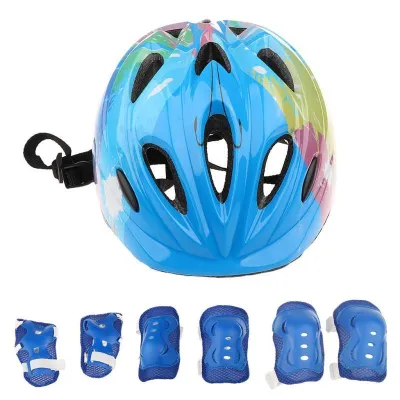
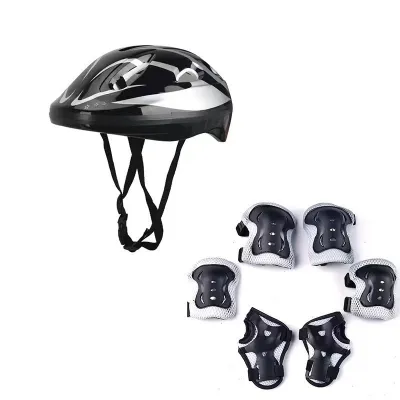
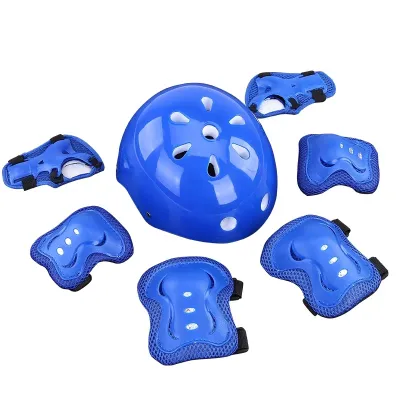
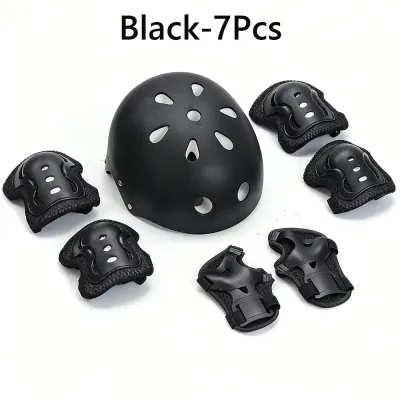
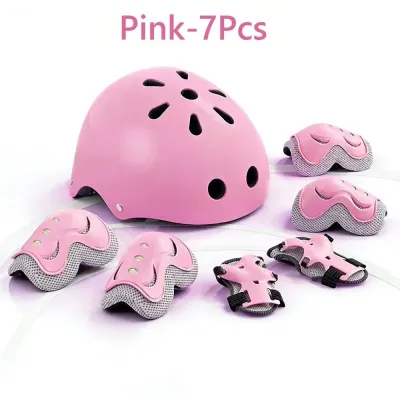
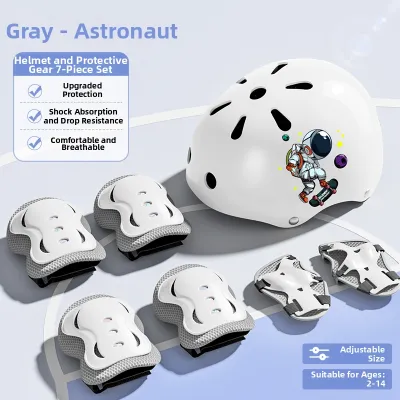
Prices are valid at publication and may change. Please refer to the product page for the latest price.
Depending on your child’s confidence level and where they plan to skate, you might also consider optional additions like mouthguards or padded impact shorts. Padded shorts can be highly beneficial for children who are particularly anxious about falling backward onto their tailbones.
When shopping, it is vital to distinguish between functional protective equipment and toy-like costumes often sold in toy aisles. Costume gear often features thin plastic shells and soft, single-layer foam that easily compresses under pressure, offering virtually no protection during a real fall on hard asphalt or concrete.
How to Measure and Verify the Right Fit for Growing Kids
Securing the right fit is just as important as choosing high-quality materials, as ill-fitting gear can easily slip out of place when an impact occurs. Instead of relying solely on age-based sizing charts, which can be highly inaccurate due to varying growth rates, take the time to measure your child’s physical dimensions. Use a flexible measuring tape to record their head circumference (about two centimeters above the eyebrows), as well as the circumference of their knees, elbows, and palms.

Look for gear sets that feature adjustable elastic straps and robust Velcro closures. These elements allow you to customize the tightness to your child’s current size while leaving a small amount of room for natural growth. However, never buy a size larger than what your child currently needs with the intention of letting them “grow into it,” as oversized gear will slide off during a fall.
Once the gear is on, perform a quick “shake test” and mobility check before your child steps onto the pavement. Have your child gently shake their head; the helmet should remain snug without shifting or pressing painfully into their forehead. For the pads, ask them to bend their knees and elbows fully to ensure the gear allows a full range of motion while remaining centered over the joints.
Oversized gear carries the severe risk of slipping down the limbs during a slide, leaving bare skin exposed to the ground. Conversely, undersized gear will pinch the skin, restrict joint movement, and cut off healthy blood circulation, making the skating experience uncomfortable and discouraging your child from practicing.
Inspecting Materials and Build Quality for Real Protection
To ensure the safety gear set offers genuine impact protection, you must carefully inspect the physical construction of each piece. For knee and elbow pads, look for hard, molded plastic outer shells (often called caps) securely riveted to the fabric backing. Avoid soft, foam-only pads for outdoor skating, as they will quickly tear apart when dragged across rough concrete.
When examining the helmet, check the inner lining to verify it uses high-density expanded polystyrene (EPS) foam, which is designed to crush and absorb impact energy. For the wrist guards, feel the palm side to ensure there is a rigid, unbreakable plastic splint that runs from the lower palm down to the wrist to prevent hyperextension.
Given the tropical climate of the Philippines, heat and sweat can quickly make protective gear uncomfortable. Look for sets that incorporate breathable mesh liners and moisture-wicking fabrics to keep your child cool. Additionally, inspect the stitching along the strap anchoring points; reinforced, double-stitched seams are essential to prevent the straps from tearing away under tension.
Finally, always check the product packaging or the manufacturer’s labels for recognized safety standard marks. Look for certifications such as EN 1078 or CPSC for helmets, and EN 14120 for roller sports protective gear. These labels indicate that the gear has undergone standardized testing to verify its protective capabilities.
Evaluating Bundled Sets Versus Buying Individual Pieces
Parents often face the choice between purchasing a pre-packaged, all-in-one safety gear bundle or buying each protective piece individually. Bundled sets are highly convenient and generally much more budget-friendly, making them an attractive option for families introducing a child to beginner skating. They ensure that all pieces match in style and are designed to work together seamlessly.
However, bundled sets may not offer a perfect fit if your child has unique body proportions, such as a larger head but very slim wrists. In such cases, buying individual pieces allows you to customize the sizing for each joint, ensuring maximum safety. When evaluating budget-friendly bundles, watch out for red flags like brittle, thin plastics, non-adjustable straps, or wrist guards that lack a rigid splint.
If you are working within a tight budget, a smart strategy is to prioritize your spending by investing more heavily in a high-quality, certified helmet. While basic knee and elbow pads can be highly effective if they fit snugly, the helmet protects the most critical area and should never be compromised.
When browsing online marketplaces or local sports stores, read product descriptions carefully to verify the materials used. Look for detailed user reviews that mention real-world durability, paying close attention to feedback from other parents regarding how well the straps hold up after multiple washes and whether the plastic caps scratch easily or crack upon impact.
When to Clean, Repair, or Replace Protective Gear
Maintaining your child’s safety gear is essential for preserving its protective qualities over time. Establish a routine of performing a quick visual inspection before every single skating session. Check the helmet shell for any hairline cracks, inspect the inner foam for signs of compression, and look for frayed straps or weakened Velcro on the pads.
Because skating in the Philippines involves dealing with high humidity and sweat, regular cleaning is necessary to prevent odor and bacterial growth. Hand-wash the pads and helmet liners using cool water and a mild, non-abrasive soap, then allow them to air-dry completely in a well-ventilated, shaded area. Avoid using harsh detergents or drying them under direct, intense sunlight, as extreme heat can degrade the protective foam and weaken the plastic shells.
It is crucial to understand that certain components, especially helmets, are designed to protect against a single major impact. If your child experiences a hard fall where their helmet hits the ground, the helmet must be replaced immediately, even if there are no visible cracks on the outer shell. The internal EPS foam compresses to absorb the shock, and once compressed, it cannot protect against a second impact.
Lastly, keep a close eye on your child’s physical growth. If you notice that the straps are stretched to their absolute limit, or if the pads are leaving deep red marks on their skin, it is time to size up. Never attempt to modify or repair cracked plastic shells or torn straps yourself, as DIY fixes can compromise the structural integrity of the gear.
Frequently Asked Questions (FAQ)
Can my child use a bicycle helmet for roller skating?
While a bicycle helmet is better than no protection at all, it is highly recommended to use a skate-specific helmet for roller skating. Skate helmets are designed with a rounder shape that extends lower down the back of the head to protect against backward falls, which are very common in roller skating. Additionally, while bicycle helmets are typically designed to absorb a single high-impact crash, skate helmets are often rated to withstand multiple lower-impact bumps. Always check the manufacturer’s label to ensure the helmet is certified for roller sports.
How do I know if the safety gear is too small or too big?
You can identify poorly fitting gear through simple physical checks. If the gear is too small, it will leave deep, painful red marks on your child’s skin, restrict their ability to bend their knees or elbows, or pinch their joints during movement. If the gear is too large, the pads will slide down their arms or legs when they walk, and the helmet will tilt forward over their eyes or slip backward when they shake their head. A proper fit should feel snug and secure, remaining firmly in place without causing discomfort.
Should beginners wear padded shorts or tailbone protectors?
Padded shorts or tailbone protectors are highly beneficial additions for beginner roller skaters, especially those who are hesitant or struggling with balance. Beginner skaters frequently lose their balance backward, which can lead to painful tailbone bruises or injuries. While these padded shorts can add a bit of bulk and warmth in hot weather, they provide excellent peace of mind and can significantly boost a child’s confidence during their first few weeks on wheels. They are especially recommended if your child is practicing on hard, unforgiving concrete surfaces.

Community discussion
Share your experience or ask a question. Comments are reviewed before publication.