
The ideal Lefight backpack for your basketball gear is not a single universal model, but the one whose verified compartment layout and stated dimensions perfectly match your specific loadout. Because carrying requirements vary drastically based on basketball size, shoe dimensions, and training accessories, finding the right fit requires comparing your actual gear volume against the manufacturer’s official specifications. This guide provides a structured evaluation framework and a pre-purchase verification checklist to help you identify the most suitable configuration for your needs without relying on unverified claims.
Selecting a sports bag in a tropical climate like the Philippines requires careful attention to material properties and ventilation. High humidity and sudden afternoon downpours mean that your gear needs protection from external moisture, while your sweaty post-game apparel requires adequate airflow to prevent mold and odor buildup. By systematically analyzing your gear and matching it to the structural features of available Lefight configurations, you can secure a reliable gear carrier that supports your daily commute and court sessions.
Inventory Your Gear: What Are You Actually Carrying?
Before browsing available Lefight backpack models, you must catalog the exact items you plan to carry to the court. The physical volume of basketball gear is deceptively large, and a bag that looks spacious on an online marketplace listing may quickly become cramped once you pack a regulation ball and a pair of high-top sneakers.
Products mentioned in this guide
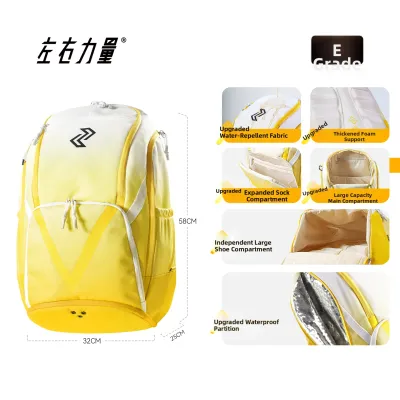
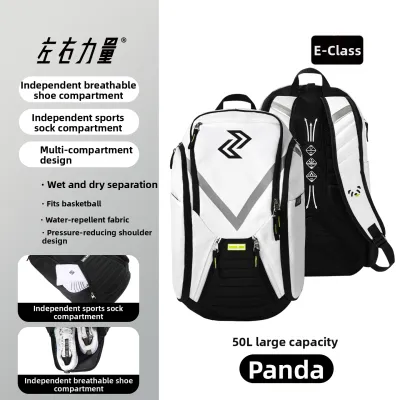
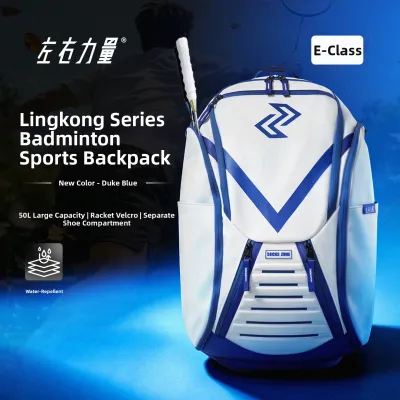
Prices are valid at publication and may change. Please refer to the product page for the latest price.
First, consider your basketball size. A standard adult men’s basketball (Size 7) has a circumference of approximately 29.5 inches (75 cm) and a diameter of about 9.4 inches (24 cm). A women’s or youth basketball (Size 6) is slightly smaller at 28.5 inches (72.4 cm) in circumference. If your chosen backpack utilizes an internal compartment to hold the ball, that single item will occupy roughly 11 to 12 liters of the bag’s total volume. Alternatively, configurations featuring an external mesh net or an expandable outer pocket keep the ball isolated, preserving the entire main compartment for your other gear. You must decide which system fits your carrying style and court environment.
Next, evaluate your footwear. Basketball shoes, especially high-tops designed for ankle support, are bulky and rigid. If you wear a US Men’s size 10 or larger, your shoes will require a substantial amount of dedicated space. Storing dirty, sweaty shoes directly with your clean jerseys or schoolbooks is highly impractical. Look for a backpack that features a dedicated shoe compartment. This compartment should ideally be lined with a water-resistant, easy-to-clean material and equipped with ventilation grommets or mesh panels to allow moisture to escape, which is crucial for preventing bacterial growth in warm, humid climates.
Finally, list your essential training accessories. A typical loadout for a serious player includes a large water bottle (often 32 ounces or larger to stay hydrated in the heat), a microfiber towel, extra socks, knee sleeves or ankle braces, grip sprays, and a basic first-aid kit. You may also need to carry personal items like your phone, wallet, keys, and a portable power bank. A bag with only one or two large pockets will force you to rummage through sweaty gear to find small items. Dedicated side pockets, zippered internal organizers, and quick-access slots are essential for keeping these accessories secure and accessible.
Decoding the Specs: Which Features Matter Most?
When evaluating a Lefight backpack on an ecommerce platform or in a retail store, you must look past marketing descriptions and focus on verifiable technical specifications. Understanding how to read these details will prevent you from purchasing a bag that fails under the weight of your gear.

Start by analyzing the ball-carrying mechanism. If the backpack description mentions an external ball net, verify how it attaches to the main body of the bag. Look for heavy-duty plastic clips, reinforced metal carabiners, or high-tensile webbing straps. An external net must be securely anchored to prevent the ball from swaying excessively while you walk or ride a motorcycle. If the bag uses an internal divider to separate the ball from the rest of your gear, check the manufacturer’s stated dimensions to ensure the compartment’s width and depth exceed 10 inches (25.4 cm) to comfortably accommodate a fully inflated Size 7 ball.
Shoe storage design requires equal scrutiny. Many sports backpacks feature a bottom-entry or side-entry shoe pocket. While these compartments are excellent for isolating dirt, they often expand upward into the main compartment. This means that when your shoes are inside, the usable volume of the main compartment is significantly reduced. Check the product specifications for any mention of a “suspended” shoe pocket or independent volume allocation. If you have larger feet, look for user reviews or manufacturer guidelines confirming the maximum shoe size the compartment can accept without stretching the zippers to their breaking point.
Material durability is the foundation of a long-lasting sports bag. Look for high-denier polyester or nylon fabrics, typically rated from 600D to 900D (Denier). Higher denier numbers indicate thicker, stronger fibers that offer better resistance to abrasions when the bag is placed on rough concrete outdoor courts. Additionally, verify if the fabric has a water-resistant coating, such as a polyurethane (PU) or thermoplastic polyurethane (TPU) backing. This coating is vital for protecting your electronics and dry clothes during sudden tropical rain showers. Finally, inspect the shoulder straps; they should be wide, contoured (S-curve design), and padded with breathable air-mesh to distribute weight evenly across your shoulders during long commutes.
Matching Bag Configurations to Your Player Profile
Because no single backpack design suits every player, matching your selection to your specific daily routine and playing habits will yield the best results. Consider which of the following profiles aligns most closely with your lifestyle.
The Minimalist Shooter
If your basketball routine consists of quick trips to a local neighborhood court for shooting drills or casual pickup games, you likely travel light. Your typical loadout is just a basketball, a water bottle, and your keys. For this style of play, a streamlined, lightweight backpack with an external mesh ball net is highly efficient. These designs keep the overall footprint of the bag small and agile, making it easy to carry on a bicycle or public transport. Because you wear your basketball shoes to the court rather than carrying them, you do not need a massive, heavy shoe compartment, allowing you to prioritize a compact and breathable bag.
The Tournament Player
For players who participate in organized weekend leagues, inter-barangay tournaments, or day-long training camps, gear requirements are much more demanding. You need to pack your uniform, a change of post-game clothes, slide sandals, ankle braces, warm-up gear, and recovery snacks. A high-capacity backpack with a volume of 35 to 45 liters is necessary for this profile. Look for configurations that offer distinct wet/dry separation, allowing you to seal drenched jerseys and sweaty socks away from your clean apparel. Multiple exterior zippered pockets are also highly beneficial for organizing tape, whistles, and personal valuables.
The Student-Athlete
If you must transition seamlessly from a classroom or an office directly to the basketball court, your backpack has to perform double duty. You cannot carry separate bags for your laptop, books, and sports gear. The ideal configuration for this profile is a hybrid backpack that features a dedicated, padded laptop sleeve (typically accommodating up to a 15.6-inch device) alongside a separate, isolated compartment for your basketball and shoes. The laptop sleeve must be positioned against your back, away from the ball compartment, to protect your electronics from pressure and moisture. A clean, understated aesthetic is also preferred so the bag looks appropriate in professional or academic settings.
The Pre-Purchase Fit and Verification Checklist
To ensure your chosen Lefight backpack meets your expectations and provides excellent value, perform these verification steps before finalizing your purchase.
First, conduct a physical dimension check. Retrieve your largest pieces of gear—specifically your basketball and your playing shoes. Measure the length, width, and height of your shoes placed side-by-side. Compare these measurements directly against the manufacturer’s listed dimensions for the shoe compartment. If the bag’s compartment width is narrower than your shoes’ combined width, you will be forced to jam them in, which can damage the shoe counters and strain the bag’s seams.
Second, evaluate the price point in Philippine Pesos (₱) relative to the materials and warranty offered. A standard, durable sports backpack typically ranges from ₱1,200 to ₱3,500 depending on the complexity of its compartments and the quality of its materials. If you encounter a model priced significantly lower, inspect the specifications closely for cheaper materials like low-denier polyester (such as 300D) or plastic zippers that may fail under heavy loads. Check if the seller or manufacturer offers a warranty against structural defects, such as split seams or broken buckles, which provides peace of mind for your investment.
Third, analyze verified customer reviews on online marketplaces, focusing specifically on long-term durability and real-world fit. Look for feedback from buyers who mention using the bag daily for basketball. Pay close attention to comments regarding zipper performance under tension, whether the shoulder strap stitching holds up when the bag is fully loaded with a ball and shoes, and if the water-resistant coating peels over time in hot weather. This collective user experience is invaluable for identifying potential weak points before you buy.
Frequently Asked Questions (FAQ)
How do I clean a basketball backpack after outdoor court use?
To maintain the hygiene and structural integrity of your backpack, clean it regularly, especially after playing on dusty outdoor concrete courts. Begin by completely emptying all compartments, opening every zipper, and shaking the bag upside down to remove loose dirt, gravel, and court debris. Use a soft-bristled brush or a dry microfiber cloth to wipe down the interior lining of the shoe and ball compartments to remove dried sweat and dust.
For the exterior, spot clean the fabric using a damp cloth and a mild, diluted liquid soap. Gently scrub areas with visible stains or sweat marks. Avoid using harsh chemical detergents, bleach, or abrasive scrubbing pads, as these can strip away the fabric’s water-resistant polyurethane coating. Never submerge the backpack entirely in water or wash it in a washing machine unless the manufacturer’s care label explicitly states it is safe to do so, as machine agitation can warp the internal padding and ruin the zippers.
After cleaning, hang the backpack to air dry in a shaded, well-ventilated indoor or outdoor area. Keep all compartments zipped open to maximize airflow. Avoid placing the bag in direct, intense sunlight or using a mechanical dryer, as extreme heat can degrade the synthetic fibers, melt protective coatings, and weaken the adhesive bonds in the straps and seams.
Can I use a standard basketball backpack for other sports?
Yes, a basketball-specific backpack is highly versatile and can easily adapt to other athletic activities due to its specialized compartment layout. The isolated shoe compartment, designed to keep dirty basketball sneakers separate, is perfect for holding muddy football or rugby cleats, running shoes, or wet swimwear after a pool session. This isolation keeps the main storage area clean and dry for your dry clothes or towels.
Additionally, the external ball net or expandable front pocket can be repurposed to carry other bulky sports equipment. You can use it to secure a volleyball, a soccer ball, a bicycle helmet, or even a rolled-up yoga mat. The side mesh pockets, designed for large water bottles, are equally useful for holding tennis or badminton racket handles, keeping them upright and secure while you travel.
However, you must remain mindful of the bag’s structural limits. Avoid carrying heavy, sharp, or highly irregular equipment—such as metal track spikes, baseball bats, or weightlifting plates—without protective guards, as these can puncture the inner lining or tear the mesh pockets. Always ensure that the total weight of your alternative gear does not exceed the bag’s intended carrying capacity, preserving the integrity of the shoulder straps and seams.

Community discussion
Share your experience or ask a question. Comments are reviewed before publication.