
Choosing a life jacket for adult water sports in the Philippines requires balancing safety, mobility, and comfort in tropical conditions. Whether you are paddling through the calm waters of El Nido, wakeboarding in Nuvali, or jet skiing off the coast of Boracay, your personal flotation device (PFD) must match your specific activity and fit your body securely. A poorly chosen jacket can restrict your movement, cause painful chafing in high humidity, or fail to keep you properly afloat when you need it most.
In the Philippines, water sports often involve prolonged exposure to intense sun, warm saltwater, and high humidity. These environmental factors demand durable materials that can withstand UV rays and salt corrosion without losing their buoyancy. Selecting the right life jacket is not just about compliance with local safety rules; it is about ensuring you have the physical freedom to perform your sport while maintaining a reliable line of defense against fatigue and sudden immersion.
To make an informed decision, you must understand the different types of life jackets available, how to achieve a secure fit, and how to match the gear to your specific sport. This guide breaks down the essential factors to consider when selecting a life jacket for adult water sports, helping you stay safe and comfortable on the water.
Products mentioned in this guide
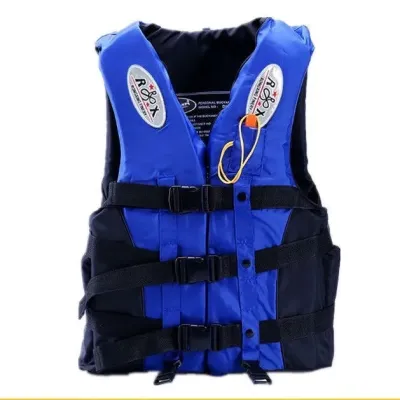
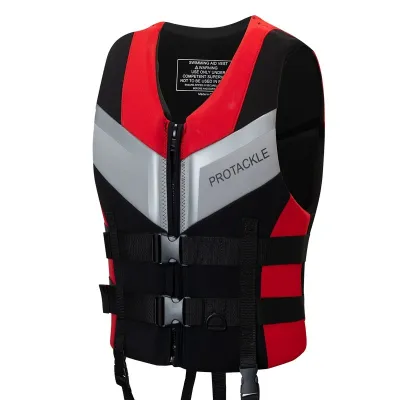
![[WILD MAN] Adjustable Buoyancy Survival Suit Neoprene Warm Water Sports Life Jacket Wear-resistant Multipurpose Outdoor Accessorie](https://img.lazcdn.com/g/p/82cce8960a5527779291b0753fa08f51.jpg_400x400q80.jpg_.webp)
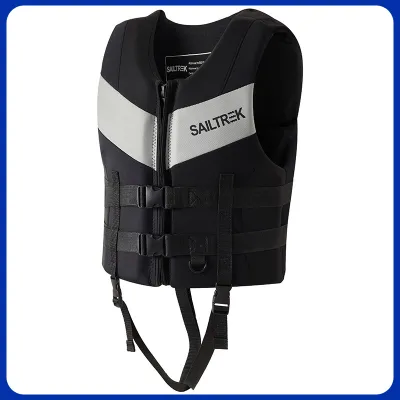
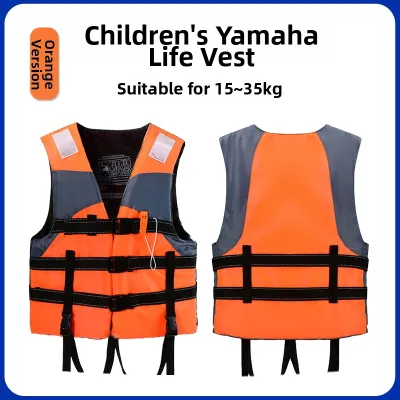
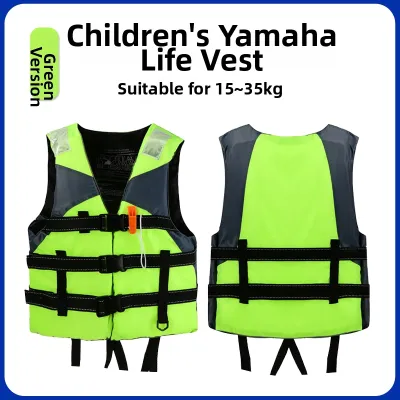
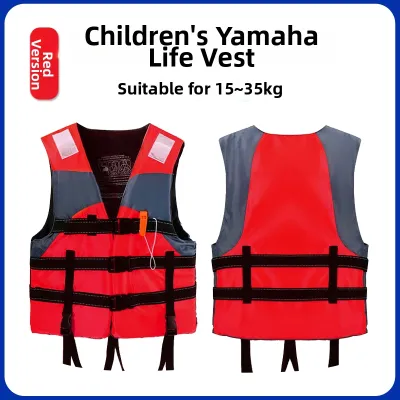
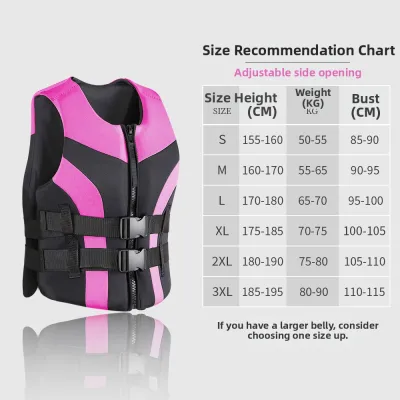
Prices are valid at publication and may change. Please refer to the product page for the latest price.
Understanding Life Jacket Types for Water Sports
Selecting the right flotation mechanism is the first step in finding a life jacket that supports your active lifestyle. Personal flotation devices are generally categorized by how they achieve buoyancy: inherently buoyant foam, manual inflation, or automatic inflation. Each system has distinct mechanical properties, maintenance requirements, and performance trade-offs that make it suitable for specific water environments and activities.
For active water sports, the choice of buoyancy mechanism directly impacts your safety during a fall. High-impact activities require immediate, reliable flotation that does not depend on mechanical triggers or user intervention. Conversely, low-impact sports in calm waters may allow for low-profile designs that prioritize maximum range of motion. Understanding these differences prevents you from choosing a jacket that could fail in a critical moment.
Furthermore, the maintenance profile of each type varies significantly. Foam jackets are virtually maintenance-free, requiring only basic cleaning and inspection. Inflatable models, however, demand regular checks of CO2 cylinders, firing bobbins, and bladder integrity. Choosing the wrong type for your sport can lead to premature wear, mechanical failure, or restricted movement that hinders your performance.
Inherently Buoyant (Foam) Jackets
Inherently buoyant life jackets rely on closed-cell foam, such as PVC or Gaia foam, to provide constant flotation without any user action. This design is the most reliable option available because it cannot be punctured, does not rely on mechanical inflation mechanisms, and provides immediate buoyancy the moment you hit the water. For non-swimmers or those participating in unpredictable environments, foam jackets offer the highest level of passive safety.
The primary trade-off with foam jackets is their physical bulk. Because the foam must occupy a certain volume to provide adequate buoyancy, these jackets can feel restrictive around the torso and shoulders. However, modern sports-specific foam jackets feature contoured panels, deep armholes, and flexible materials like neoprene to minimize this restriction and allow for comfortable paddling or riding.
Inflatable and Hybrid Life Jackets
Inflatable life jackets utilize a compact, uninflated bladder that expands when filled with carbon dioxide (CO2) gas. These jackets are exceptionally low-profile, offering an unmatched range of motion that makes them highly popular for stand-up paddleboarding and recreational kayaking. They can be triggered manually by pulling a cord or automatically when submerged in water, depending on the specific mechanism installed.
Despite their comfort, inflatable jackets have strict limitations that make them unsuitable for high-impact water sports like wakeboarding, water skiing, or jet skiing. A hard fall at high speed can damage the bladder, and automatic triggers may deploy prematurely due to heavy spray. Additionally, they require active maintenance, including regular cartridge replacement and leak testing, and are not recommended for weak swimmers who need immediate buoyancy upon entering the water.
Key Sizing and Fit Requirements for Adults
A life jacket can only save your life if it stays securely on your body when you enter the water. Many adults make the mistake of choosing a life jacket based on their standard clothing size, such as medium or large. In reality, life jacket sizing is determined primarily by your chest measurement and your weight, ensuring that the device has sufficient buoyancy to support your body mass while fitting snugly around your torso.

To find your correct size, measure the circumference of your chest at its widest point using a flexible measuring tape. Compare this measurement to the manufacturer’s sizing chart, as sizing can vary significantly between brands. Once you have the correct size, you must adjust the straps in a specific sequence to ensure the jacket does not ride up. Always tighten the waist straps first to anchor the jacket, then work your way up to the chest and shoulder straps.
After tightening all straps, perform the “lift test” to verify the fit. Have a friend grasp the shoulder straps of the jacket and pull firmly upward, or pull them up yourself. If the jacket slides up past your chin, nose, or ears, it is too loose and must be tightened further. If the straps are fully tightened and the jacket still slides up, you need a smaller size. A loose jacket can float up around your face in the water, making it difficult to breathe and swim.
Matching the Jacket to Your Water Sport Activity
Different water sports place unique physical demands on your body, requiring specific life jacket designs to maximize both safety and performance. When selecting a jacket, you must evaluate how its shape, materials, and features align with the movements of your chosen activity. A jacket designed for casual boating will quickly become uncomfortable and restrictive during a high-energy sport.
Key design elements to evaluate include the cut of the armholes, the length of the torso, and the overall flexibility of the outer shell. High-speed activities also require structural reinforcements to withstand the force of sudden water impacts. By matching these features to your sport, you can prevent painful chafing, reduce fatigue, and ensure your safety gear works with you rather than against you.
Additionally, consider the environmental conditions of your sport. Open-water activities require high-visibility colors and attachment points for safety gear, while inland lake sports might prioritize ventilation and lightweight materials. Assessing these factors helps you narrow down the options to find a jacket that excels in your specific playing field.
High-Mobility Sports (Kayaking, Paddleboarding)
For sports that involve repetitive paddling motions, such as kayaking and stand-up paddleboarding, arm and shoulder mobility is paramount. Look for jackets with exceptionally large, contoured armholes that prevent the fabric from rubbing against your underarms. A short-torso design is also beneficial, as it prevents the bottom of the jacket from pushing upward when you are seated in a kayak.
Many paddle-specific jackets feature a high-back design, where the foam flotation is concentrated on the upper back, leaving the lower back covered only by thin mesh. This design allows the jacket to clear the high seat backs of modern recreational kayaks, preventing discomfort and allowing you to sit in an ergonomic paddling position. The mesh lower back also provides excellent ventilation, which is crucial for staying cool in the hot, humid climate of the Philippines.
Towing and High-Speed Sports (Wakeboarding, Water Skiing)
Towing sports and high-speed activities like jet skiing subject the rider to sudden, hard falls into the water. For these activities, you need a highly durable, impact-rated foam jacket that can absorb the shock of hitting the water at speed. Look for jackets constructed with heavy-duty outer shells, such as neoprene or reinforced nylon, which offer superior durability and impact protection.
These jackets must feature robust closure systems, including heavy-duty zippers and multiple wide webbing straps with secure buckles to prevent the jacket from being torn off during a fall. Secure waist belts and, in some cases, leg loops or crotch straps are essential to keep the jacket firmly in place. Avoid inflatable jackets entirely for these sports, as they cannot provide the immediate impact protection and secure fit required for high-speed water entry.
Essential Safety Features and Certifications to Verify
Before purchasing any life jacket, you must verify that it meets recognized safety standards and possesses the physical features necessary for emergency situations. Never rely on unbranded or uncertified flotation devices, as they may use low-quality foam that degrades quickly or lacks the buoyancy required to keep an adult afloat. Look for a legible certification tag printed on the inside of the jacket.
Recognized certifications include approval from the United States Coast Guard (USCG), European Conformity (CE), or the International Organization for Standardization (ISO). In the Philippines, the Philippine Coast Guard (PCG) also recognizes these international standards for recreational water safety. The certification tag will specify the jacket’s performance level, weight limits, and approved activities, giving you confidence in its reliability.
In addition to certifications, inspect the jacket for essential safety features. High-visibility colors like safety orange, bright yellow, or neon green make you easily visible to boaters and rescue personnel. Reflective tape, particularly SOLAS-grade material, significantly improves visibility in low-light conditions or heavy rain. A built-in safety whistle attached to a lanyard allows you to signal for help, while a durable plastic D-ring provides a secure attachment point for an engine kill-switch lanyard.
Care, Storage, and Pre-Use Inspection
The tropical climate of the Philippines, characterized by high humidity, intense sunlight, and saltwater, can accelerate the degradation of life jacket materials. To ensure your jacket remains reliable season after season, you must establish a strict care and storage routine. Proper maintenance not only extends the lifespan of your gear but also ensures that the safety features function correctly when needed.
After every use in saltwater or a chlorinated pool, rinse your life jacket thoroughly with clean, fresh water. Salt crystals can accumulate in the fabric fibers, causing abrasion, and can corrode metal or plastic zippers and buckles. Hang the jacket to dry naturally in a well-ventilated area away from direct sunlight. Never use a clothes dryer or place the jacket near direct heat sources, as excessive heat can damage the internal foam and weaken the synthetic fabrics.
Before heading out on the water, perform a quick pre-use inspection. Check the outer fabric for rips, tears, or severe fading, which indicates UV damage. Squeeze the foam panels to ensure they have not become permanently compressed, waterlogged, or brittle. If you use an inflatable jacket, check the pressure indicator window to verify the CO2 cartridge is fully charged and properly installed, and inspect the manual pull cord for wear. If you notice any signs of structural damage or loss of buoyancy, replace the jacket immediately.
Frequently Asked Questions (FAQ)
Can I use a standard boating life jacket for active water sports?
Standard boating life jackets, often referred to as Type II or Type III keyhole jackets, are designed primarily for passive passengers awaiting rescue in calm waters. They are generally bulky, have restrictive armholes, and lack the secure fit needed for active movement. Using them for sports like kayaking or wakeboarding often results in severe chafing, restricted range of motion, and a high risk of the jacket riding up or slipping off during a fall. For active sports, it is highly recommended to invest in a specialized, high-mobility or impact-rated sports jacket.
How often should I replace the CO2 cartridge in an inflatable life jacket?
The CO2 cartridge in an inflatable life jacket must be replaced immediately after any inflation event, whether manual or automatic. Once the cylinder is pierced, it cannot be reused. For unused cartridges, you should inspect them before every outing for signs of rust, corrosion, or damage. Replace the cartridge according to the manufacturer’s expiration date, which is typically every two to three years, or sooner if you detect any signs of degradation. Always store spare rearming kits in a dry, airtight container to prevent premature activation due to humidity.
Are there specific life jacket laws for adults in the Philippines?
Yes, maritime safety regulations in the Philippines, enforced by the Philippine Coast Guard and local government units, require all passengers on motorized vessels, tourist boats, and active water sports participants to wear approved life jackets. While enforcement can vary by municipality, reputable resorts, tour operators, and water sports centers strictly mandate the use of life jackets for activities like jet skiing, banana boat riding, and kayaking. It is always best practice to wear a properly fitted jacket at all times when on or near the water, regardless of local enforcement levels.

Community discussion
Share your experience or ask a question. Comments are reviewed before publication.