
Selecting a reliable life vest for girls participating in water sports in the Philippines requires balancing safety certifications, precise physical fit, and the specific demands of the activity. Whether they are kayaking in the calm lagoons of El Nido, wakeboarding in Nuvali, or riding banana boats off Boracay, a standard swim aid is not enough. The ideal personal flotation device (PFD) must match the child’s weight and chest size while providing the necessary mobility for active paddling or swimming. Relying on generic pool toys or oversized hand-me-downs compromises safety in open water, making a dedicated, certified life vest an essential investment for any young adventurer.
Decoding Safety Labels and Certifications
When shopping for a life vest, the first step is to look past bright colors and cute patterns to inspect the safety labels printed directly on the product. Legitimate personal flotation devices feature official stamps of approval from recognized maritime authorities, such as the United States Coast Guard (USCG), European Conformity (CE), or local maritime safety guidelines. These certifications guarantee that the vest has undergone rigorous testing for buoyancy, material strength, and strap security under real-world conditions.
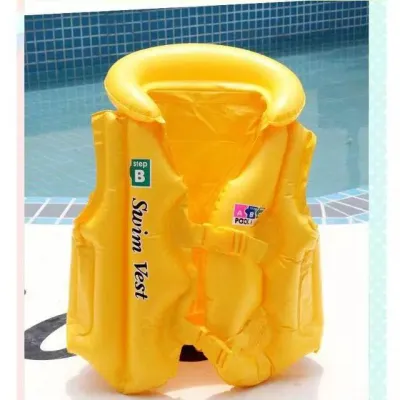
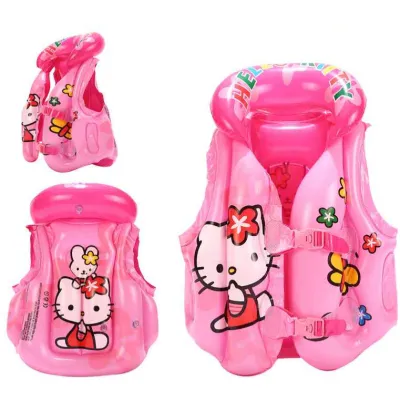
It is critical to distinguish these certified life vests from items marketed as “swim aids,” “flotation toys,” or “swim trainers.” These recreational items are designed solely for supervised pool play and do not offer the guaranteed buoyancy required to keep a child’s head above water in open, moving, or rough coastal waters. Using an uncertified toy in place of a proper life vest during water sports poses a severe safety risk.
Products mentioned in this guide
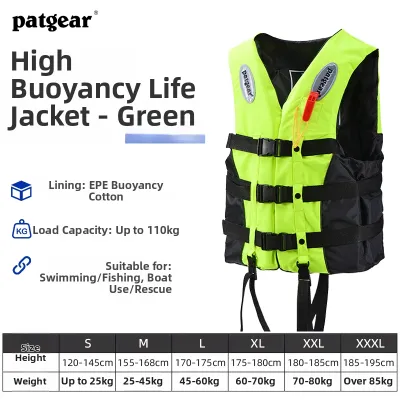
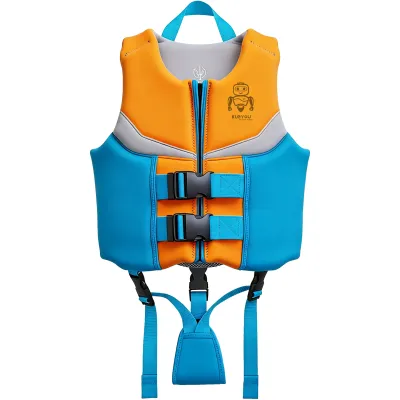
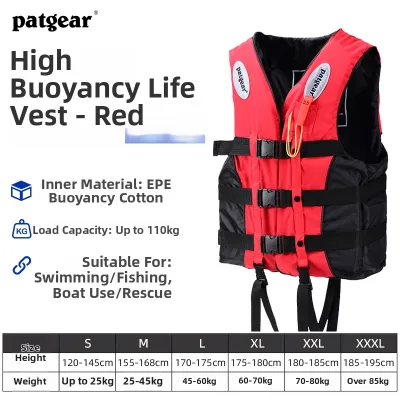
Prices are valid at publication and may change. Please refer to the product page for the latest price.
To find the correct size, always read the manufacturer’s label, which is typically printed on the inside back panel of the vest. This label specifies the exact weight range and chest size limits for the user. Never purchase a life vest based on age alone, as children’s body shapes and weights vary widely. A vest that is too large can easily slip off in the water, while one that is too small will not provide adequate buoyancy.
Avoid unbranded, uncertified foam vests that lack standardized testing. Cheap, generic vests often use low-grade open-cell foam that absorbs water over time, which significantly reduces their buoyancy when it is needed most. Certified vests utilize high-quality, closed-cell foam that remains buoyant even after prolonged immersion and heavy use.
Evaluating Design Features for Active Movement
Active girls need gear that supports movement rather than restricting it during water sports. Large, oversized armholes are crucial for activities like kayaking, stand-up paddleboarding, or sailing, where repetitive arm movements are required. If the armholes are too small or the foam panels are too thick around the shoulders, the vest will chafe the skin and limit the range of motion, leading to rapid fatigue.

A secure fit relies on a robust system of adjustable straps and heavy-duty buckles. A high-quality vest typically features three or more adjustable webbing straps that wrap around the torso, allowing you to customize the fit to the child’s body shape. For younger girls or non-swimmers, a built-in crotch strap is an absolute necessity. This strap runs between the legs to prevent the vest from riding up over the child’s chin and ears when they enter the water, keeping their airway clear.
Visibility is another critical factor in open-water safety, especially in busy tropical waters with boat traffic. Opt for high-visibility colors like neon pink, bright orange, or high-vis yellow, which stand out clearly against the blue and green hues of the ocean. Reflective tape strips on the shoulders improve visibility in low-light conditions, such as late afternoon sessions. Additionally, look for vests equipped with an attached, pea-less rescue whistle, which allows the child to signal for help without relying on vocal strength.
Selecting the Right Style for Specific Water Sports
Different water sports demand different vest profiles to balance safety and performance. For calm, near-shore activities like snorkeling or paddleboarding in shallow bays, a standard Type III flotation aid is often preferred. These vests are lightweight, comfortable, and designed to allow freedom of movement, though they require the wearer to actively tilt their head back to keep their face out of the water.
For high-speed or high-impact sports like wakeboarding, water skiing, or riding towed inflatables, a more rugged, impact-resistant vest is necessary. These vests feature segmented foam panels that wrap snugly around the torso, absorbing impact forces while maintaining a low profile that does not catch the wind or water during a fall. They are designed to stay securely in place even during high-velocity entries into the water.
Understand the trade-offs between maximum buoyancy and range of motion. A highly buoyant Type I or Type II vest is designed to turn an unconscious wearer face-up in rough water, but its bulky front panels make paddling or swimming difficult. For active sports, a Type III vest offers the best compromise, provided the child is a supervised, competent swimmer. Standard recreational vests should never be used in offshore, rough, or remote conditions where rescue may be delayed.
Performing a Pre-Water Fit and Security Check
Before heading to the beach or boat dock, perform a thorough fit check. Start by measuring the child’s chest circumference just under the armpits and obtaining an accurate, current weight. Use these measurements to select the corresponding size category on the manufacturer’s size chart.
Once the vest is on, tighten the straps starting from the bottom and working your way up to the shoulders. This ensures the vest conforms to the natural taper of the torso. The fit should be snug, similar to a firm hug, but not so tight that it restricts deep breathing.
Perform the shoulder lift test. Have the child stand with their arms at their sides. Grab the shoulder straps of the vest and pull firmly upward. If the vest slides up past the child’s ears or nose, it is too large or the straps are too loose. If adjusting the straps does not stop the vest from riding up, you must switch to a smaller size or a model with a crotch strap.
Maintaining the Vest and Spotting Wear Signals
The tropical climate of the Philippines, with its high humidity, intense sun, and salty marine environments, can accelerate the wear and tear of safety gear. After every use in saltwater or chlorinated pools, rinse the life vest thoroughly with clean, fresh water to remove salt crystals, sand, and chemicals that can degrade the fabric and corrode buckles.
Hang the vest to air-dry in a well-ventilated, shaded area. Never leave a wet vest in direct, intense sunlight for extended periods, as ultraviolet (UV) rays break down the nylon shell and weaken the internal flotation foam. Avoid using artificial heat sources like dryers or hair dryers, which can melt or warp the synthetic materials.
Inspect the vest regularly for signs of degradation. Check if the foam feels compressed, lumpy, or waterlogged, which indicates that the internal flotation cells have ruptured. Look for frayed webbing, rusted zippers, cracked plastic buckles, or torn seams. If any of these defects are present, the vest is no longer safe and must be replaced immediately. Store the dry vest in a cool, dark, and ventilated space to prevent mold and mildew growth.
Frequently Asked Questions (FAQ)
Can a child wear an adult-sized life vest if it is adjusted tightly?
No, a child should never wear an adult-sized life vest, even if the straps can be pulled tight. Adult vests are designed with a buoyancy distribution and physical volume meant for larger bodies. If a child wears an adult vest, the excess space inside allows the vest to slide up over their head when they enter the water, leaving their face submerged. Additionally, the minimum buoyancy of an adult vest may force a small child into an awkward, unstable position, making it difficult for them to breathe or swim safely. Always use a vest specifically rated for the child’s current weight and chest size.
Are inflatable life vests suitable for young girls in water sports?
Inflatable life vests are generally not recommended for young girls or children participating in active water sports. Most maritime safety agencies prohibit or discourage inflatable PFDs for children under a certain age or weight (typically under 16 years old or under 36 kg). Inflatables require manual activation or automatic water-activation mechanisms, which can fail or be difficult for a panicked child to operate. Furthermore, high-impact water sports like wakeboarding or tubing can cause accidental inflation or damage the inflatable bladder. For these activities, vests with inherent buoyancy (solid foam cores) are the safest and most reliable choice.
What is the difference between a life vest and a puddle jumper?
The primary difference lies in their safety certifications, construction, and intended environments. A certified life vest is a personal flotation device designed to keep the wearer afloat in various water conditions, including open and rough water, and is built to meet strict maritime safety standards. A puddle jumper is a recreational swim aid consisting of arm bands connected to a chest band, designed primarily for supervised pool use to help young children maintain a horizontal swimming position. Puddle jumpers do not offer the same level of buoyancy, secure fit, or head support as a certified life vest, and they are not approved for high-speed water sports, boating, or open-water activities.

Community discussion
Share your experience or ask a question. Comments are reviewed before publication.