
Selecting the right massage roller for your yoga practice depends on your experience level, the intensity of your yoga style, and your specific recovery goals. Beginners and restorative practitioners benefit most from a soft-to-medium density, smooth EVA foam roller, which provides gentle, even pressure to soothe the nervous system. Conversely, advanced yogis practicing intense styles like Vinyasa or Ashtanga will find better relief with a firm, textured grid roller designed to penetrate deeper muscle layers and break down stubborn fascial adhesions.
Integrating a massage roller into your routine does not replace your yoga practice; rather, it acts as a highly compatible partner. While yoga stretches and strengthens muscles through various ranges of motion, a massage roller targets the underlying connective tissue, helping you maintain fluid, pain-free movement. By understanding how different materials, sizes, and textures interact with your body, you can select a tool that perfectly complements your time on the mat.
Why Yogis Use Massage Rollers for Recovery and Flexibility
To understand why a massage roller is such a valuable asset to a yoga practice, it helps to look at the relationship between muscles and fascia. Fascia is a specialized web of connective tissue that wraps around every muscle, bone, nerve, and organ in the body. When you practice yoga, you stretch and strengthen these structures, but repetitive movements, intense holds, or even prolonged sitting can cause the fascia to become tight, dehydrated, and bound up. This binding creates micro-adhesions, commonly known as knots, which restrict your range of motion and make certain poses feel unnecessarily restricted.
Products mentioned in this guide
Prices are valid at publication and may change. Please refer to the product page for the latest price.
Using a massage roller facilitates self-myofascial release (SMR), a technique that applies localized pressure to these tight areas to help restore tissue elasticity. When you roll over a muscle group, you are essentially massaging the fascia, encouraging it to release its grip on the muscle fibers. This process stimulates blood circulation, bringing fresh oxygen and nutrients to the area while helping to flush out metabolic waste products that accumulate during physical exertion.
Integrating SMR into your pre-practice warm-up serves a very different purpose than using it for post-practice recovery. A quick, light rolling session before you step onto your mat helps to awaken the nervous system and increase local blood flow. By spending just a few minutes rolling out major muscle groups like the calves, hamstrings, and upper back, you raise the temperature of the tissues, making them more pliable and responsive. This preparation can make deep backbends, hip openers, and balancing poses feel much more accessible from your very first sun salutation.
After a challenging yoga session, your rolling routine should shift toward down-regulating your nervous system and promoting deep muscle recovery. Post-practice rolling involves slow, deliberate movements and sustained pressure on tender spots. This slow compression signals your brain to release tension in overactive muscles, transitioning your body from a state of physical exertion into a state of rest and repair. For yogis who practice in hot, humid climates like the Philippines, where intense sweat sessions during active flows can lead to rapid dehydration and localized muscle cramping, post-practice rolling is particularly beneficial for restoring fluid flow through the fascial layers.
Over time, regular SMR can significantly improve your joint range of motion, allowing you to sink deeper into poses like Pigeon Pose (Eka Pada Rajakapotasana) or Downward-Facing Dog (Adho Mukha Svanasana) without straining. By keeping your fascia healthy and hydrated, you reduce the risk of overuse injuries and ensure that your joints can move through their natural, optimal pathways. This increased mobility directly translates to a safer, more expressive, and more comfortable yoga practice.
Key Features to Check When Choosing a Massage Roller
Density and Material Firmness
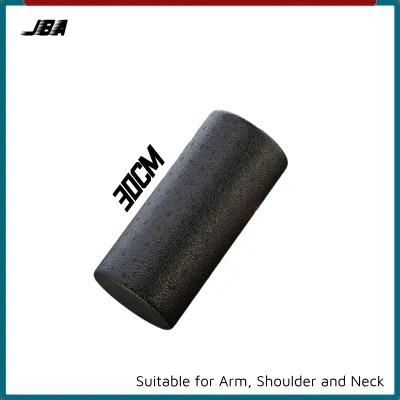
The density of a massage roller determines how much pressure it will apply to your muscles and how much the roller will compress under your body weight. Rollers generally fall into three categories: soft, medium, and firm. Soft rollers yield easily under pressure, making them highly forgiving and comfortable for sensitive areas. Medium-density rollers offer a balanced compromise, providing enough structural support to address moderate muscle tension without feeling like a hard block. Firm rollers are rigid and unyielding, designed to deliver intense, deep-tissue pressure to stubborn knots.

When shopping for a roller, always check the manufacturer’s specifications regarding material composition and weight capacity to ensure durability. Soft and medium rollers are frequently made from Ethylene-Vinyl Acetate (EVA) foam, a highly durable, closed-cell material that retains its shape well over time and resists moisture absorption. Firm rollers are often constructed from high-density Expanded Polypropylene (EPP) or feature a hollow, rigid ABS plastic core wrapped in a thin layer of foam. High-density EPP and hollow-core rollers generally support higher weight limits, often up to 150 to 200 kilograms, making them excellent long-term investments that will not warp or flatten under heavy use.
Size, Shape, and Portability
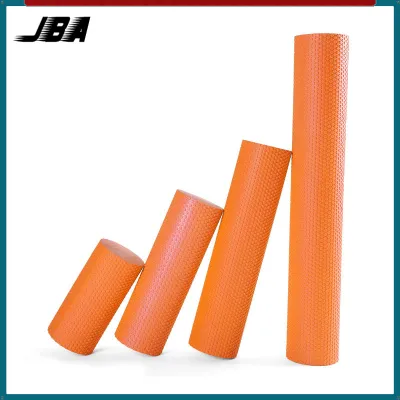
Massage rollers come in various lengths and shapes, each suited to different practice environments and body parts. A standard full-length roller measures approximately 36 inches (90 centimeters) in length. This size is ideal for full-body stability and comprehensive back rolling. Its generous length allows you to lie down with the roller aligned completely along your spine, supporting both your head and tailbone, which is an exceptional position for chest-opening postures that complement deep backbends.
If you have limited storage space or want a tool you can easily take with you, a compact roller measuring 12 to 18 inches (30 to 45 centimeters) is a highly practical alternative. These shorter rollers are perfect for targeting individual limbs, such as your quadriceps, IT bands, and calves, and they tuck away neatly into a closet or a small home studio corner. For traveling yogis or those who commute to local studios, handheld stick rollers offer incredible portability and precise manual control, allowing you to roll out tight muscles while seated without needing to lie down on the floor.
Surface Texture and Design
The surface design of a massage roller dictates how the pressure is distributed across your body tissue. Smooth rollers provide even, consistent pressure across a wide surface area. This uniform distribution is highly effective for general recovery, lymphatic drainage, and soothing the nervous system, making it the preferred choice for individuals with a lower pain tolerance or those who find deep-tissue massage uncomfortable.
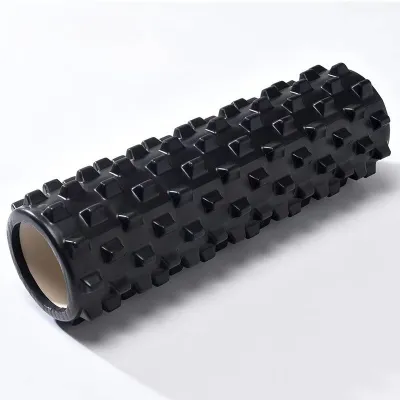
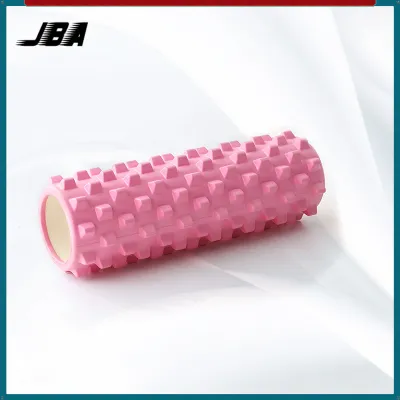
Textured rollers, often referred to as grid or knobby rollers, feature raised ridges, bumps, and flat zones molded into the surface. These patterns are engineered to mimic the hands, fingers, and palms of a professional massage therapist. The raised areas apply concentrated, high-intensity pressure to specific trigger points, while the recessed channels allow blood and fluid to flow more freely through the tissue during the rolling process. Your choice of texture should align closely with your personal pain tolerance, muscle density, and specific recovery goals.
Which Roller Type Fits Your Yoga Style and Experience?
For Beginners and Gentle Restorative Yoga
If you are completely new to self-myofascial release or primarily practice gentle, restorative, or Yin yoga, a soft-to-medium density, smooth-surfaced, full-length foam roller is highly recommended. When you first begin SMR, your muscle tissue and nervous system are unaccustomed to the sensation of deep compression. Starting with a roller that is too hard or highly textured can trigger a protective pain response, causing your muscles to contract and tense up rather than relax, which completely defeats the purpose of the practice.
Gentle pressure is crucial for beginners to avoid bruising, capillary damage, or nerve irritation. In restorative and Yin yoga, the goal is to surrender into poses and hold them for extended periods to target the deep connective tissues. A soft, smooth roller can be used as a supportive prop under your knees, hips, or spine, offering a gentle, therapeutic massage that coaxes your body into a state of deep relaxation. This gentle approach helps soothe the sympathetic nervous system, making it easier to transition into a meditative state.
For Advanced Practitioners and Intense Flows
Experienced yogis who regularly engage in demanding, high-intensity practices such as Ashtanga, Power Vinyasa, or hot yoga require a tool that can address deep-seated muscle fatigue and structural tension. These rigorous styles involve repetitive, weight-bearing movements, deep backbends, and challenging arm balances that place significant stress on the shoulders, glutes, hamstrings, and IT bands. Over time, this intense physical demand can lead to dense, stubborn fascial adhesions that a soft roller simply cannot penetrate.
For these practitioners, a medium-to-firm density roller with a grid or textured surface is the ideal choice. The firm core ensures the roller does not compress under your full body weight, allowing you to apply the deep, targeted pressure necessary to break down tough adhesions. The textured surface helps to manipulate the deeper layers of muscle tissue, restoring elasticity and promoting rapid recovery between intense daily practices. Utilizing a firm roller after a demanding flow helps prevent the chronic tightness that can limit your progress in advanced postures.
For Targeted Relief and On-the-Go Practice
Sometimes, a standard cylindrical roller is too broad to address specific, isolated areas of tension. For highly targeted relief in smaller muscle groups—such as the arches of the feet (plantar fascia), the calves, the forearms, or the suboccipital muscles at the base of the skull—handheld muscle rollers and specialized massage balls are incredibly effective. For example, rolling the soles of your feet over a small massage ball can stimulate the fascial line that runs along the entire back of your body, instantly improving your flexibility in forward folds.
These compact tools are also a lifesaver for yogis who travel frequently or commute through busy urban areas to reach their favorite yoga studios. A 12-inch compact roller or a pair of massage balls can easily slip into a backpack or travel bag alongside a travel yoga mat. Whether you are heading to a weekend wellness retreat in a coastal province or simply navigating a daily commute, having a portable recovery tool ensures you can maintain your tissue health and flexibility wherever your practice takes you.
Safe Rolling Techniques and Boundaries for Yoga Practitioners
To get the most out of your massage roller and prevent unnecessary injury, it is essential to practice proper SMR techniques and respect your body’s anatomical boundaries. When rolling, always move slowly and mindfully, aiming for a pace of about one inch per second. When you encounter a tender spot or a trigger point, do not roll rapidly back and forth over it. Instead, pause on the spot, relax your body weight onto the roller, and take deep, diaphragmatic breaths. Focus on long, slow exhalations, which signal your parasympathetic nervous system to release the muscle tension and allow the tissue to soften.
There are strict anatomical boundaries that every practitioner must respect to avoid causing physical harm. Never roll directly over bones, joints, or highly sensitive areas of the body. Specifically, avoid rolling the front of your neck, where major blood vessels and nerves are highly exposed. You should also avoid rolling your lower back (the lumbar spine) with a standard foam roller. The lumbar spine lacks the structural protection of the rib cage, and rolling this area can place excessive, unsafe pressure on your kidneys, lower vertebrae, and the surrounding deep muscles, potentially causing severe spasms or injury.
It is vital to distinguish between the productive, dull discomfort of releasing a tight muscle and harmful, injury-inducing pain. If you experience sharp, shooting, burning, hot, or nerve-like sensations, stop rolling immediately. These symptoms indicate that you are compressing a nerve, a blood vessel, or an actively inflamed tendon. Pushing through this type of pain will not improve your flexibility; instead, it can lead to tissue damage, bruising, and prolonged inflammation.
Always read and follow the manufacturer’s care and safety instructions for your specific roller. If you are dealing with existing physical conditions—such as a herniated disc, osteoporosis, joint instability, severe inflammation, or a recent muscular strain—consult a healthcare professional or a physical therapist before incorporating SMR into your routine. A qualified professional can provide personalized guidance on which areas are safe to roll and help you design a recovery program that supports your long-term health and yoga practice.
Frequently Asked Questions (FAQ)
Can I use a massage roller every day after yoga?
Yes, you can safely use a massage roller daily as part of your post-yoga cool-down, provided you keep the sessions light and focused on general recovery. Daily rolling helps maintain tissue hydration and prevents the accumulation of minor muscular tension from your daily activities. However, if you are performing intense, deep-tissue trigger-point therapy that leaves your muscles feeling slightly tender, it is best to limit those deep sessions to every other day. This spacing gives your muscle fibers and fascia adequate time to repair, adapt, and rehydrate between sessions.
Is a foam roller or a stick roller better for yoga recovery?
Both tools are highly effective, but they serve different purposes based on how you apply pressure. A foam roller relies on your body weight to apply deep, passive pressure, making it the superior choice for releasing large muscle groups like the back, glutes, and thighs. A handheld stick roller, on the other hand, relies on your arm strength to apply active, manual pressure. This design gives you precise control over the intensity and angle of the massage, making it ideal for targeting smaller, hard-to-reach areas like the calves, shins, and forearms without requiring you to support your body weight on the floor.
How long should I roll each muscle group?
For general maintenance and recovery, aim to spend 30 to 60 seconds on each target muscle group. Spending too much time on a single area can irritate the skin, bruise the underlying soft tissue, or trigger a rebound inflammatory response that makes the muscle tighter. If you find a particularly stubborn knot, hold static pressure on that spot for a maximum of 30 seconds while breathing deeply, then move on to the surrounding areas. Keeping your rolling sessions focused and efficient ensures you reap the maximum circulatory and myofascial benefits without overworking your tissues.

Community discussion
Share your experience or ask a question. Comments are reviewed before publication.