
Choosing the right mini basketball hoop depends on your available space, structural limitations, and how intensely you plan to play. Over-the-door models suit renters and tight indoor spaces, wall-mounted hoops offer enhanced stability for dedicated play areas, and freestanding units provide flexibility for driveways or multi-use outdoor spaces. By evaluating your specific constraints, you can select the mounting style that safely fits your needs and budget.
Assess Your Space and Play Style Before Choosing
Before purchasing a mini hoop basketball setup, you must evaluate the physical environment where you plan to install it. Start by measuring the available clearance in your room or outdoor area. For indoor setups, check the ceiling height to ensure there is enough overhead clearance for the ball’s arc when shooting. You also need to measure the floor space to guarantee players have enough room to move safely without colliding with furniture or walls.
Next, consider the thickness of your doors or the material of your walls. Standard interior doors in many homes have specific thicknesses that may not accommodate all over-the-door brackets. If you are leaning toward a wall-mounted option, you must identify whether you are mounting into wooden studs, concrete, brick, or unsupported drywall. Mounting a hoop directly onto unsupported drywall can lead to severe structural damage during play.
Products mentioned in this guide
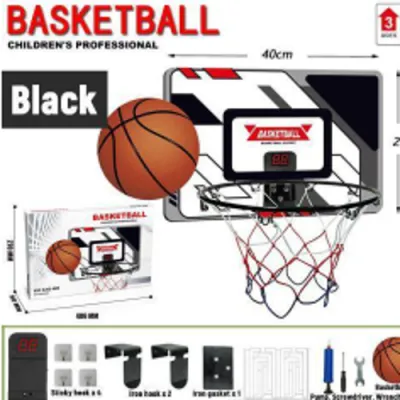
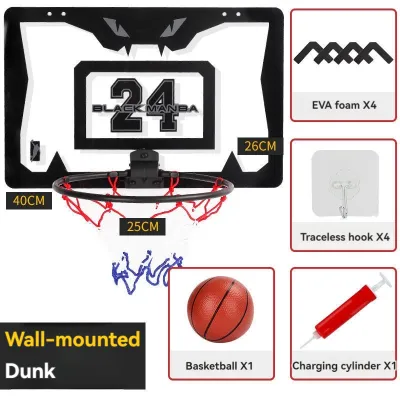
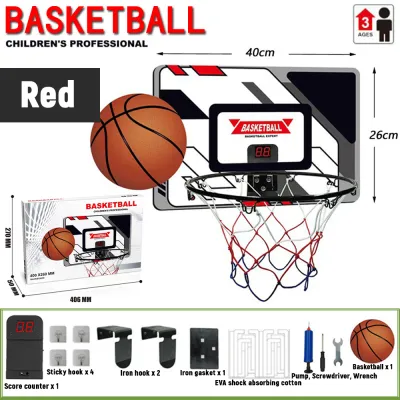
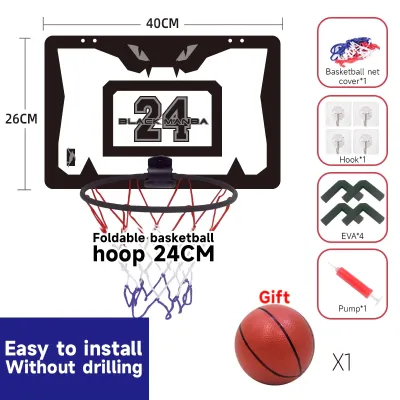
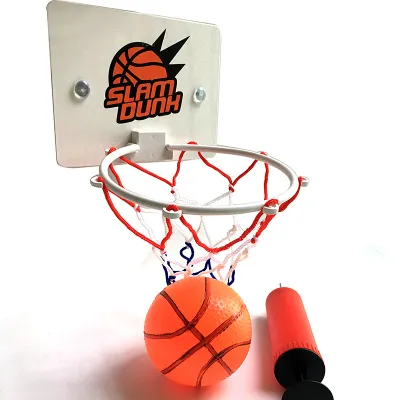
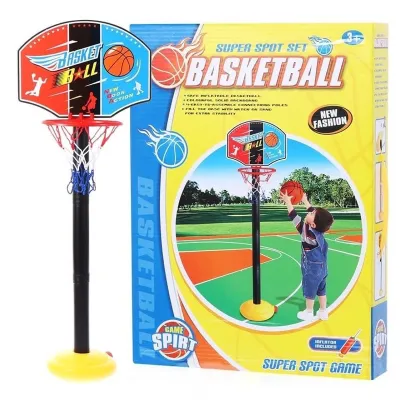
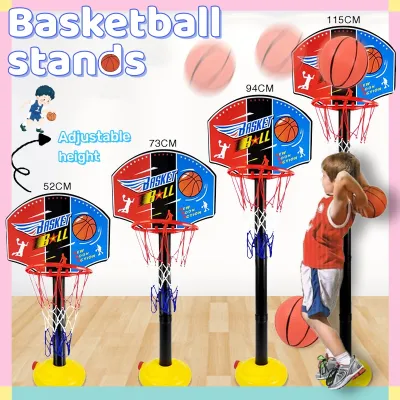
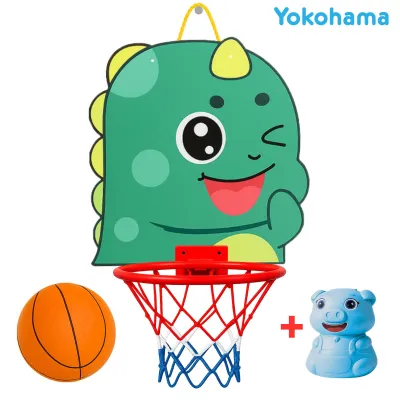
Prices are valid at publication and may change. Please refer to the product page for the latest price.
Your play intensity is another critical factor to analyze. If the hoop is intended for light shooting practice or casual office distraction, a basic over-the-door model is often sufficient. However, if you or your children plan on aggressive rebounding, layups, or dunking, you will require a much more robust mounting system. Matching the hoop’s structural design to your expected level of physical activity prevents premature wear and potential injury.
Finally, take note of your living situation and environmental conditions. Renters must prioritize non-destructive mounting options that do not require drilling or permanent alterations. For outdoor installations, such as on a patio or driveway, you must account for tropical weather conditions, including high humidity and heavy rainfall, which demand weather-resistant materials.
Over-the-Door Hoops: Ideal for Renters and Tight Spaces
Over-the-door mini hoops are the most popular choice for bedrooms, offices, and apartments due to their ease of installation. To ensure a proper fit, you must first check your door’s thickness and compare it with the bracket dimensions provided by the manufacturer. Most brackets are designed to slip over standard interior doors, but you must also verify that there is enough clearance at the top of the door frame so the door can still close fully.

Noise and potential door damage are common concerns with these models. Look for hoops that feature thick foam padding on the back of the backboard and around the mounting brackets. This padding serves a dual purpose: it dampens the vibration and sound of the ball hitting the board, and it protects the door’s paint or wood finish from scratches and scuffs. Without adequate padding, repetitive play can quickly leave unsightly marks on your door.
While convenient, over-the-door hoops have clear physical limitations. They are generally not designed to support the weight of a player hanging from the rim, even if the rim features a breakaway spring mechanism. Using these hoops on thin, hollow-core doors increases the risk of cracking the door panel under sudden impacts. For safety, limit play to light shooting and avoid pulling down on the rim.
Wall-Mounted Hoops: Ideal for Dedicated Play Areas
For players seeking a more permanent and stable setup, wall-mounted mini hoops offer a highly stable experience. These systems are designed to be bolted directly into a solid structure, which minimizes backboard shake and provides a realistic rebound. However, before proceeding with this option, you must verify that your wall material can support the continuous impact of basketball play.
Safe installation requires mounting the bracket directly into wooden wall studs, solid concrete, or brick. You must never mount a mini hoop directly into unsupported drywall or plaster, as the anchors will eventually pull through, causing the hoop to fall and damaging the wall. If you live in a rental property, you must review your lease agreement or consult your landlord, as installing a wall-mounted hoop requires drilling multiple holes and using heavy-duty anchors.
The primary benefit of a wall-mounted system is its high stability. Because the frame is anchored to a rigid wall, it can handle much more active play than a door-mounted alternative. Many high-quality wall-mounted mini hoops feature heavy-duty steel rims with spring-loaded breakaway systems, allowing for more realistic layups and bank shots. This makes them the preferred choice for dedicated playrooms, garages, or covered patios.
Freestanding Hoops: Ideal for Driveways and Flexible Layouts
Freestanding mini hoops offer a portable alternative that does not rely on doors or walls for support. These units consist of a backboard and rim mounted on a pole, which is anchored by a hollow plastic base. The primary advantage of this design is mobility, allowing you to move the hoop between indoor playrooms, outdoor patios, and driveways as needed.
To ensure safety during play, you must properly weight the hollow base before use. Most manufacturers recommend filling the base with either water or dry sand to prevent the unit from tipping over when a shot hits the rim or during windy outdoor conditions. While water is easier to fill and drain, sand provides greater density and stability, making it less prone to shifting. In tropical climates, if you use water, ensure the base is sealed tightly to prevent evaporation or mosquito breeding.
Portability and adjustability are key features to look for in a freestanding model. Many units include built-in wheels on the base, allowing you to tilt and roll the hoop to a storage area when not in use. Additionally, adjustable-height poles allow the hoop to grow with younger players or adapt to different ceiling heights indoors. If you plan to keep the unit outdoors, verify that the metal poles are powder-coated to resist rust and that the backboard is UV-protected to prevent yellowing and cracking.
Compare Mounting Styles and Finalize Your Choice
To help you decide which mini hoop basketball setup fits your home, compare the key characteristics of each mounting style. Each option represents a trade-off between stability, ease of installation, and portability.
| Feature | Over-the-Door Hoops | Wall-Mounted Hoops | Freestanding Hoops |
|---|---|---|---|
| Installation Effort | Extremely low (no tools required) | High (requires drilling and studs) | Medium (requires assembly and base filling) |
| Stability | Low to medium (prone to shaking) | High (very stable) | Medium (depends on base weight) |
| Portability | High (easy to move to other doors) | None (permanent or semi-permanent) | High (can be rolled or moved) |
| Ideal Space | Bedrooms, offices, rentals | Garages, playrooms, brick walls | Driveways, patios, large playrooms |
| Damage Risk | Low (potential scuffs on door) | Medium to high (requires wall holes) | Low (potential floor scuffs if dragged) |
Use this conditional framework to finalize your decision:
- Choose an over-the-door hoop if you live in a rental property, have limited floor space, or want a quick setup that requires no tools or permanent modifications.
- Choose a wall-mounted hoop if you own your home, have a dedicated play space with solid wood studs or concrete walls, and want the most stable rebounding experience.
- Choose a freestanding hoop if you want the flexibility to play both indoors and outdoors, need to adjust the rim height for different players, and have adequate storage space.
Verify Installation Safety and Ongoing Maintenance
Regardless of the mounting style you choose, proper installation and regular maintenance are essential to prevent property damage and personal injury. Always follow the manufacturer’s instructions carefully, paying close attention to the specified weight limits and hardware requirements. Use the exact screws, bolts, or anchors provided, and avoid substituting weaker hardware from your toolbox.
Ongoing maintenance is crucial for keeping your mini hoop basketball system safe over time. For over-the-door models, regularly check that the bracket padding remains intact and that the door hinges are not showing signs of strain. For wall-mounted units, inspect the mounting bolts periodically to ensure they have not vibrated loose from the wall studs or concrete. If you own a freestanding unit, check the base regularly for leaks or cracks, and top off the water or sand as needed to maintain optimal stability.
Establish clear stop conditions for play to avoid accidents. If you notice any cracks forming in the backboard, loose screws on the rim, or a wobbly mounting bracket, halt play immediately. Do not resume use until you have tightened all hardware, patched any leaks in a freestanding base, or replaced damaged components. Taking these simple precautions ensures your mini hoop remains a fun and safe addition to your home.
Frequently Asked Questions (FAQ)
Can I use an over-the-door hoop on a hollow core door?
Yes, you can use an over-the-door hoop on a hollow core door, but you must take extra precautions to prevent damage. Hollow core doors have thin veneer faces and empty interiors, making them much more fragile than solid wood doors. To minimize the risk of cracking or denting the door, choose a lightweight mini hoop with generous foam padding behind the backboard to absorb impact. Additionally, strictly avoid dunking or pulling down on the rim, as the downward force can easily warp the door frame or crack the door’s surface.
What is the best material for a mini basketball backboard?
The best material for a mini basketball backboard depends on where you plan to use it and your budget. Polycarbonate is highly recommended for both indoor and outdoor use because it is virtually shatterproof, highly durable, and impact-resistant. Acrylic offers a professional, clear look with excellent rebound characteristics, but it can scratch or crack more easily than polycarbonate under heavy use. For outdoor setups exposed to intense sunlight and rain, ensure the backboard material is UV-resistant to prevent it from becoming brittle over time.

Community discussion
Share your experience or ask a question. Comments are reviewed before publication.