
Selecting the ideal mini rechargeable megaphone for university cheerleading competitions requires balancing lightweight portability with enough acoustic power to cut through roaring crowds and thumping pep bands. During high-energy routines, team leaders need a reliable tool that directs the squad without adding unnecessary physical strain. The right choice depends on your specific role on the track or court, the acoustics of your tournament venues, and a clear understanding of product specifications.
Because cheerleading demands intense physical movement, stunts, and rapid transitions, a bulky bullhorn is more of a hindrance than an asset. A compact, rechargeable model allows captains and flyers to project their voices instantly during transitions, timeouts, and pep rallies. By focusing on key physical and acoustic factors, your squad can secure a device that performs reliably under pressure.
Understanding the Acoustic and Physical Demands of Cheer Competitions
University cheerleading events in the Philippines take place in highly diverse acoustic environments, ranging from enclosed, echoing coliseums to sprawling, windy outdoor athletic ovals. Indoor gymnasiums and sports complexes are notorious for sound reverberation. When thousands of spectators scream and concrete walls bounce the sound back, a low-quality megaphone can turn your voice into an unintelligible muddle. In these indoor settings, clarity and directional control are far more important than raw volume.
Products mentioned in this guide
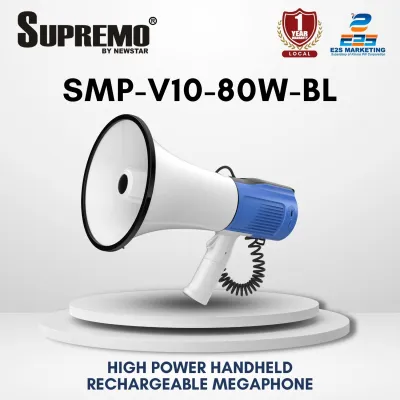
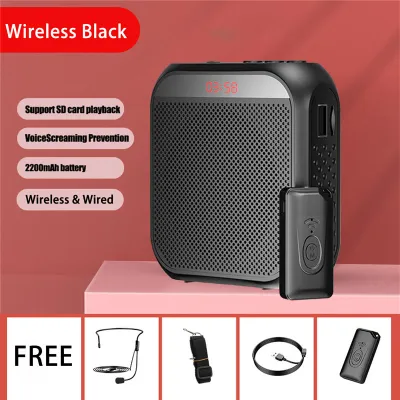
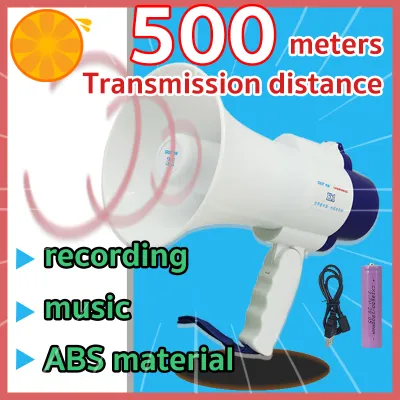
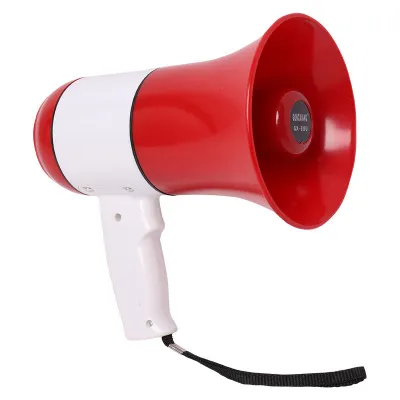
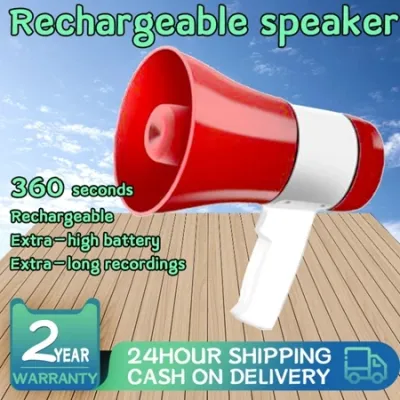
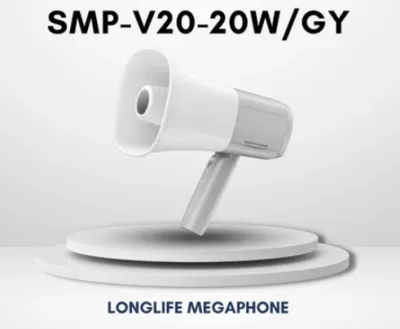
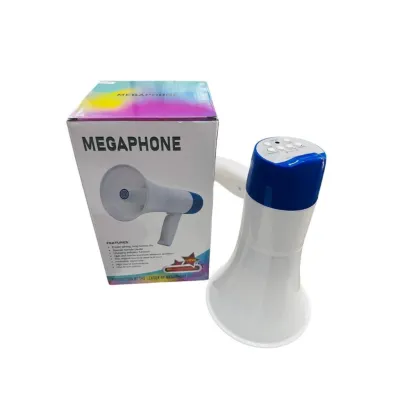
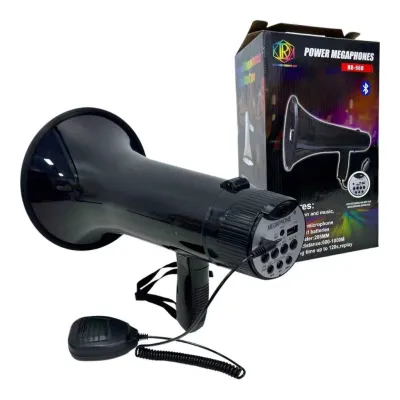
Prices are valid at publication and may change. Please refer to the product page for the latest price.
Outdoor fields present the opposite challenge. Without walls to contain the sound, your voice dissipates rapidly into the open air, especially when fighting afternoon breezes. To overcome this, outdoor practices and field performances require a megaphone with a highly focused directional horn. This design ensures your vocal cues travel straight to the back of the formation rather than scattering to the sides.
Ambient noise is another critical factor to plan for during major tournaments. The thunderous beat of brass bands, bass drums, and synchronized school chants can easily drown out unamplified voices. Your megaphone must produce a clean, high-frequency output that cuts through these low-frequency background noises, allowing your squad to stay perfectly synchronized during complex pyramid transitions.
Finally, consider the grueling schedule of a typical competition day. From early morning warm-ups on the practice mats to the final award ceremonies, your equipment may need to remain active or on standby for several hours. This extended usage requires a reliable power source that will not fade halfway through your team’s most critical routine.
Core Specifications to Verify Before Purchasing
When browsing options on local online marketplaces or visiting electronics retailers, you must look past generic marketing claims and verify specific technical details on the product packaging or user manual. The first specification to check is the battery system. Opt for models featuring modern lithium-ion batteries and a universal USB-C charging interface. This setup allows you to recharge the device quickly using standard power banks right at the team bench, eliminating the need for heavy, expensive disposable batteries.

Sound projection and power ratings require careful inspection. Manufacturers often print peak wattage figures on the box, which can be misleading. Instead, look for the continuous power rating, often listed as Root Mean Square (RMS) wattage. For a mini megaphone, an RMS rating between 10 and 15 watts is generally the sweet spot, providing sufficient projection for court-side coordination without draining the battery too rapidly.
Weight and physical ergonomics are paramount for active cheerleaders. A heavy device will quickly fatigue your arm, leading to shaky projection or dropped equipment during fast-paced choreography. Aim for a total weight of under 500 grams, including the battery. Ergonomic pistol grips with non-slip rubber coatings are highly recommended, as they provide a secure hold even when hands are sweaty from intense physical exertion.
Carrying options can make or break your game-day experience. Verify that the megaphone includes a durable, adjustable wrist strap or a shoulder sling. A secure strap allows a flyer or base to drop the megaphone safely to their side to execute a stunt or catch, without worrying about the device crashing onto the hard court or track surface.
Aligning Equipment Choices with Team Roles and Budgets
Not every member of the pep squad requires the same type of megaphone, and smart budget allocation can save your sports program significant funds. Team captains and lead cheerleaders who are responsible for directing the entire crowd and coordinating with the pep band need the most robust equipment. For these leadership roles, prioritize premium mini models that offer maximum voice clarity, durable ABS plastic construction, and built-in siren or whistle functions to instantly capture attention.
For general squad members who only need to amplify localized chants or coordinate smaller stunt groups, lighter and more cost-effective models are ideal. These secondary units do not need extreme projection ranges, allowing you to opt for lower-wattage designs that are easier on the team budget. When planning your purchases, entry-level mini rechargeable megaphones typically range from ₱500 to ₱1,200, while heavy-duty professional mini models can cost up to ₱3,000 or more.
If you are purchasing equipment for an entire university athletic department, bulk buying offers distinct advantages. Look for authorized local distributors who can provide bulk discounts and uniform warranty support. Ensuring that all purchased units use identical charging cables and battery models simplifies logistics, allowing squad members to share chargers and spare batteries seamlessly during multi-day tournaments.
Before finalizing any purchase, confirm the warranty terms with the retailer. Campus sports equipment undergoes heavy daily abuse, and having a reliable local service center or replacement policy is crucial for maintaining your gear throughout the athletic year.
Game-Day Preparation and Maintenance Routine
To prevent embarrassing equipment failures during a live performance, establish a strict pre-event preparation routine. Always cycle and fully charge your megaphone batteries the night before the competition. Perform a functional sound check inside the actual venue during your scheduled technical rehearsal. This test allows you to adjust the volume levels to match the specific acoustics of the arena before the crowd arrives.
Tropical humidity and sweat are major hazards for electronic sports gear. After every practice and performance, wipe down the megaphone’s outer casing and handle with a dry microfiber cloth to remove moisture and body oils. Check the manufacturer’s user manual for any water-resistance or Ingress Protection (IP) ratings. Unless a device is explicitly rated for wet conditions, keep it shielded from sudden downpours and store it in a padded, dry gear bag.
Always establish a clear backup plan for high-stakes tournaments. Keep at least one fully charged spare battery or a dedicated backup megaphone at the team bench. Assign a specific squad member or team manager to be responsible for the megaphones, ensuring they are turned off when not in use to conserve battery life and are safely stored away from high-traffic stunt areas.
Remember that a megaphone is a tool to assist your performance, not a replacement for proper physical preparation. Never use a megaphone in extremely close proximity to another person’s ears, as the sudden acoustic output can cause temporary or permanent hearing damage. If a device begins to malfunction, crackle, or emit unusual heat, stop using it immediately and consult a qualified technician.
Frequently Asked Questions (FAQ)
Will a mini megaphone be loud enough for a large university arena?
A mini megaphone rated between 10 and 15 watts RMS is highly effective for court-side coordination, directing your immediate squad, and leading chants for nearby spectator sections. However, it cannot replace a massive 50-watt professional bullhorn or the arena’s central public address system. For massive coliseums, use the mini megaphone to synchronize your team’s voices so that your collective, unamplified shouting projects clearly to the upper rafters.
How can we avoid audio feedback during indoor cheer routines?
Audio feedback occurs when the megaphone’s microphone picks up its own amplified sound from the speaker horn, creating a high-pitched squeal. To prevent this in enclosed sports complexes, keep the volume dial slightly below the maximum setting and avoid pointing the front of the horn toward reflective concrete walls or metal barriers. Always maintain a consistent distance of about two to three inches between your mouth and the microphone, and speak in a firm, clear voice rather than shouting directly into the receiver.

Community discussion
Share your experience or ask a question. Comments are reviewed before publication.