
Selecting the right MMA sparring gloves for home partner training requires prioritizing safety, thick and dispersed padding, and secure wrist support. Unlike professional gym environments with coaches, home training lacks immediate supervision, making the choice of protective gear and strict safety protocols critical to preventing injuries. When you train in a home setup—whether it is a garage, a spare room, or an outdoor patio—you must take full responsibility for your partner’s safety as well as your own.
In tropical climates like the Philippines, where high humidity and heat are daily factors, your choice of gear must also account for intense sweating and rapid material wear. A glove that fails to breathe or dry properly will quickly become a breeding ground for bacteria and lose its structural integrity. Therefore, your selection process should balance impact protection, ergonomic fit, and climate-appropriate durability.
Understanding the Demands of Home Partner Sparring
Training at home with a partner offers convenience, but it lacks the controlled environment of a professional martial arts gym. Without a referee or coach to monitor your intensity, you must establish strict boundaries before touching gloves. The primary rule of home sparring is that your equipment must match your training goals.
Products mentioned in this guide
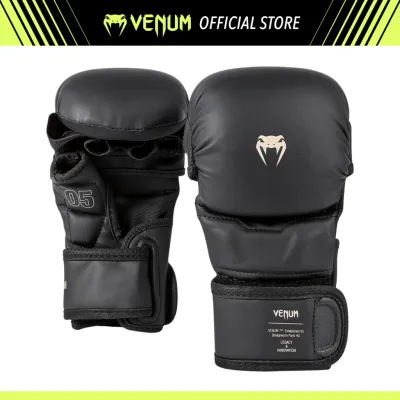
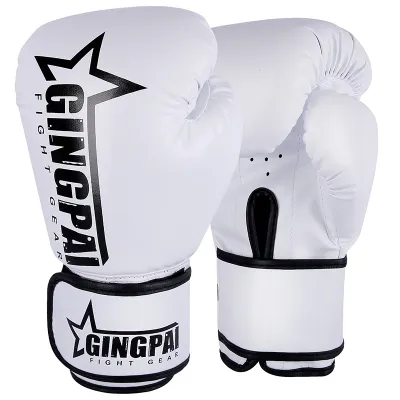
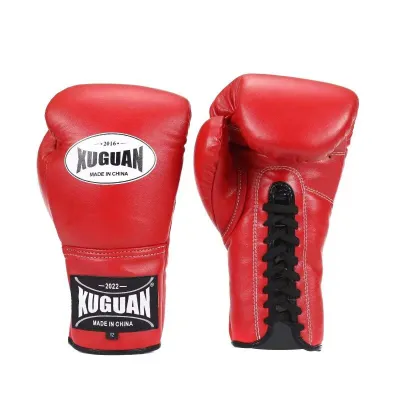
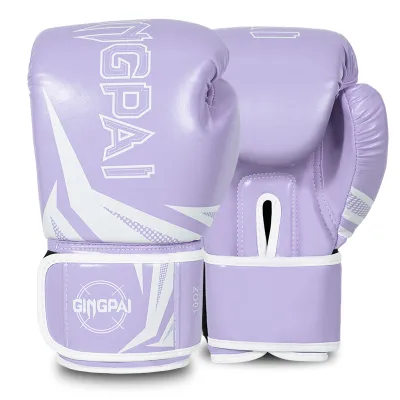
Prices are valid at publication and may change. Please refer to the product page for the latest price.
A common mistake is using heavy bag gloves for partner sparring. Heavy bag gloves are designed with dense, compact padding meant to protect your knuckles against a hard, stationary target. If you strike a training partner with bag gloves, the dense foam does not compress sufficiently, transferring the full force of the blow directly to their face or body, which significantly increases the risk of cuts, bruises, and concussions. Dedicated MMA sparring gloves, often referred to as 7-ounce or hybrid gloves, feature much softer, thicker, and more bulbous foam designed specifically to cushion the impact for your partner.
Your physical training environment also dictates your safety. Ensure your home training space has at least a three-meter by three-meter clear area free of furniture, sharp corners, or low-hanging fixtures. Hard tile or concrete floors are highly dangerous for any sparring that involves clinching or takedowns; always lay down high-density interlocking EVA foam mats or specialized martial arts mats to absorb falls and provide reliable foot traction.
Finally, communication is your most important safety tool. Before starting any round, explicitly agree on the sparring intensity—typically keeping it at a light, technical pace of 20% to 30% power. Establish clear verbal commands like “stop” or “time,” and agree that a physical tap on your partner or the mat means an immediate halt to all action. If either partner experiences dizziness, pain, or fatigue, stop the session immediately.
Essential Protection and Padding Features
When evaluating MMA sparring gloves, the internal construction of the padding is the most critical factor for injury prevention. You should look for gloves that utilize multi-layered foam systems. These systems typically combine a high-density outer layer to disperse the initial force of a strike with softer inner layers to absorb the remaining energy before it reaches your hand or your partner’s body. Avoid cheap, single-layer foam gloves, as they bottom out quickly under pressure, offering virtually no protection during medium-intensity exchanges.

Wrist stability is another non-negotiable feature. Because MMA sparring involves transitioning from striking to grappling, your wrists are subjected to multi-directional forces. Look for a wide, secure hook-and-loop closure system that wraps fully around the wrist joint. The strap should act as a splint, keeping your wrist aligned with your forearm when you punch. If the glove allows your wrist to bend easily upon impact, you risk severe sprains or hyperextension.
Thumb protection is frequently overlooked but vital for partner safety. In standard 4-ounce competition gloves, the thumb is often completely exposed or minimally covered, which can lead to accidental eye pokes during grappling or painful thumb sprains during wild exchanges. For home sparring, choose gloves that feature an attached thumb design or a dedicated pocket of thick foam over the thumb joint. This structural feature keeps the thumb tucked in a natural, slightly curved position, minimizing the risk of injury to both you and your partner.
Sizing, Weight, and Fit for Partner Safety
Selecting the correct glove weight is essential for maintaining a safe training environment. While professional MMA fighters compete in 4-ounce gloves, these are far too light and dangerous for regular sparring sessions at home. For safe partner training, you should look for hybrid or sparring-specific gloves that weigh between 7 and 8 ounces. This extra weight represents additional protective foam over the knuckles, which is necessary to prevent facial lacerations and hand injuries.
The internal fit of the glove must accommodate hand wraps. Never spar bare-handed inside your gloves. When trying on gloves, always wear your standard hand wraps to ensure the hand compartment is spacious enough. The glove should feel snug but not restrictively tight. If your fingers feel numb or if you experience sharp pinching across your knuckles, the compartment is too small, which can restrict blood circulation and cause cramping during training.
Conversely, a glove that is too loose poses serious safety risks. If the hand compartment has excess space, the glove will shift during impact. This shifting can cause the padding to slide off your knuckles, leaving you unprotected, or cause the wrist strap to rub painfully against your skin. Check that your fingers sit comfortably in their designated loops and that you can easily form a natural fist without excessive effort.
Material and Hygiene Maintenance for Home Use
In the warm and humid climate of the Philippines, maintaining your gear is crucial for both hygiene and durability. Sweat and moisture are the primary enemies of boxing and MMA equipment. When choosing materials, you must weigh the benefits of genuine leather against high-quality synthetic alternatives.
Genuine leather is highly durable, conforms beautifully to your hand over time, and offers natural breathability. However, it requires regular conditioning to prevent cracking and is highly absorbent, meaning it can trap sweat and odors if not dried properly. High-quality synthetic leathers, such as engineered microfiber or polyurethane (PU), are highly resistant to moisture absorption and are much easier to wipe clean after a grueling session. For a home setup where quick cleanup is preferred, a premium synthetic glove is often the most practical choice.
To prevent your gloves from developing a foul odor and harboring harmful bacteria, establish a strict post-training routine. As soon as your session ends, open the wrist straps completely to maximize airflow. Never leave your damp gloves inside a closed gym bag or a dark closet. Instead, hang them in a well-ventilated indoor area. You can insert moisture-absorbing cedar sachets or glove deodorizers to help dry the interior quickly. Avoid exposing your gloves to direct, harsh sunlight, as extreme heat can dry out the leather or warp the internal foam padding.
For cleaning, use a soft microfiber cloth dampened with water and a mild, diluted soap. Gently wipe down the exterior and interior surfaces to remove sweat and oils. Avoid using harsh chemical disinfectants, bleach, or alcohol-based sprays, as these substances break down the protective coatings of the outer material and degrade the structural integrity of the internal foam.
Frequently Asked Questions (FAQ)
Can I use standard boxing gloves for MMA sparring?
Standard boxing gloves, typically weighing 14 or 16 ounces, are excellent for pure striking sparring because they offer maximum hand and face protection. However, they are not suitable for full MMA sparring because their closed-fist, bulky design makes it impossible to open your hands to grapple, clinch, or practice takedown defense. If your home training session is strictly focused on boxing or kickboxing drills, standard boxing gloves are preferred. If you plan to transition between striking, clinching, and grappling, you must use dedicated MMA sparring gloves.
Do I need to wear hand wraps under MMA sparring gloves?
Yes, you should always wear hand wraps under your MMA sparring gloves. Hand wraps provide essential structural support by binding the small, fragile bones of your hands and stabilizing your wrists, reducing the risk of fractures or sprains upon impact. Additionally, wraps act as a vital hygienic barrier in hot climates, absorbing the majority of your hand sweat before it can saturate the inner lining of your gloves, thereby extending the lifespan of your gear.

Community discussion
Share your experience or ask a question. Comments are reviewed before publication.