
Setting up a home workout space for Muay Thai offers an efficient way to build cardiovascular endurance, sharpen striking technique, and relieve stress. However, selecting the correct muay thai glove weight and fit is critical to protecting your hands and maximizing your training efficiency when working out alone. For heavy bag work, you need a heavier, highly padded glove—typically ranging from 12 oz to 16 oz—to absorb high-impact forces and protect your knuckles and wrists. Conversely, shadowboxing requires lighter gloves, usually 8 oz to 10 oz, or even unweighted hands, to focus on speed, shoulder endurance, and proper form without the burden of heavy padding. If you want a single, versatile pair for both activities, a middle-ground weight like 12 oz or 14 oz, combined with high-quality hand wraps, provides a balanced compromise for solo home training.
Understanding Your Home Training Demands
Training at home without a coach or partner means you must take full responsibility for your safety and technique. The physical demands of striking a heavy bag are vastly different from the fluid movements of shadowboxing. When you hit a heavy bag, your knuckles, wrists, and forearm bones absorb a massive amount of kinetic energy. Without adequate padding, this repetitive impact can lead to micro-fractures, wrist sprains, or chronic joint pain.
Shadowboxing, on the other hand, is entirely non-impact. The primary challenge here is fighting gravity and maintaining your guard. Using heavy gloves during long shadowboxing sessions can cause your shoulders to fatigue prematurely, which often leads to dropping your hands and developing poor defensive habits. Instead of impact protection, shadowboxing demands a glove that allows you to feel the natural alignment of your fist as you cut through the air.
Products mentioned in this guide
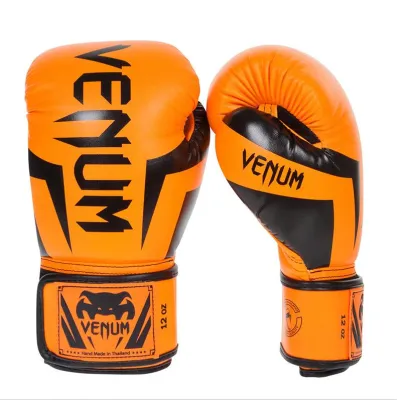
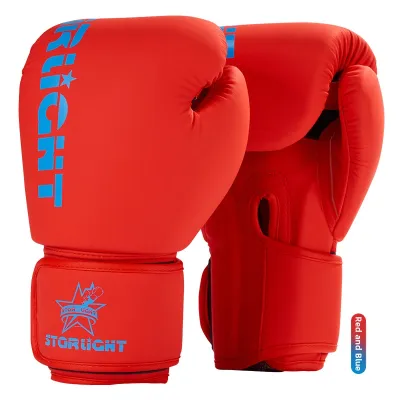
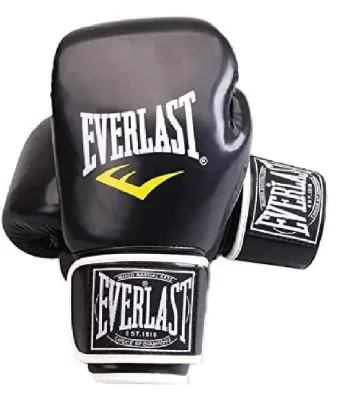
Prices are valid at publication and may change. Please refer to the product page for the latest price.
Because you are training solo, your gear must adapt to your specific workout frequency and intensity. If you plan to hit the heavy bag three or more times a week with high power, investing in dedicated, highly protective gear is essential. Regardless of your training split, hand wraps are a non-negotiable baseline. Hand wraps compress the many small bones in your hand and secure your wrist joint, working in tandem with your gloves to prevent acute injuries during both high-impact bag work and rapid shadowboxing.
Selecting Weight and Padding for Heavy Bag Work
When choosing a muay thai glove specifically for heavy bag training, weight and padding density are your primary lines of defense. Glove weight is measured in ounces (oz), which directly correlates to the amount of protective foam packed inside. Generally, lighter individuals or those with a lighter strike style may find sufficient protection in 12 oz gloves, while heavier individuals or those focusing on power development should opt for 14 oz or 16 oz gloves to ensure adequate shock absorption.

The distribution of padding is another critical factor. Muay Thai gloves are uniquely designed with padding distributed more evenly across the back of the hand to protect against kicks, but for heavy bag work, you want to verify that there is substantial, multi-layered foam directly over the knuckles. Look for high-density foam configurations that do not easily compress when you apply firm pressure with your thumb, as soft padding will bottom out quickly against a dense heavy bag.
Wrist support is equally vital to prevent your wrist from bending or hyperextending upon impact. A quality glove for bag work must feature a wide, rigid wrist cuff that acts almost like a splint. When you secure the closure, the cuff should restrict lateral movement of your wrist, keeping your hand and forearm in a straight, continuous line. This structural rigidity is what allows you to transfer power safely from your hips through to the bag.
Choosing Weight and Fit for Shadowboxing
Shadowboxing is an exercise in precision, speed, and endurance, meaning your glove choice should prioritize mobility over heavy impact protection. Opting for lighter weights, such as 8 oz or 10 oz gloves, allows you to throw rapid combinations and maintain a tight, high guard for multiple rounds without your shoulders burning out. This lighter weight helps you focus on the mechanics of your punches, ensuring your elbows do not flare and your wrists remain straight.
The fit of a shadowboxing glove must be exceptionally snug and anatomical. Because there is no physical target to stop your punch, the momentum of your swing can cause a loose glove to slide forward or shift on your hand. This internal movement not only causes uncomfortable friction and blisters but can also throw off your balance and alter your punching mechanics. Your fingers should reach the end of the pocket comfortably, and the thumb should feel locked in a natural, non-strained position.
In tropical climates like the Philippines, home workouts can quickly turn into high-humidity sweat sessions. When shadowboxing at high intensity, your hands will perspire rapidly inside the gloves. To maintain comfort and control, look for gloves that incorporate breathable mesh palms, ventilation holes, and moisture-wicking inner linings. These features help manage sweat buildup, keeping your hands dry and preventing the glove from slipping during fast, un-impacted movements.
Finding a Versatile Glove for Both Activities
If you prefer to keep your home training setup minimalist and budget-friendly, purchasing a single, versatile pair of gloves is a highly practical route. To bridge the gap between heavy bag protection and shadowboxing speed, a middle-ground weight is ideal. For most average-sized adults, a 12 oz or 14 oz glove serves as the perfect hybrid, offering enough knuckle protection for moderate bag work while remaining light enough to avoid excessive shoulder fatigue during shadowboxing.
When relying on a single pair of gloves, you must adjust your training habits to compensate for the compromise. For instance, when hitting the heavy bag with a 12 oz glove, focus more on speed, accuracy, and clean technique rather than throwing maximum-power strikes. Additionally, you should rely heavily on high-quality, thick hand wraps to provide the extra joint stabilization that a heavier 16 oz glove would normally offer.
Be aware of the trade-offs inherent in a hybrid approach. Using the same pair of gloves for heavy bag work will compress the internal foam over time, reducing its protective qualities. This means when you transition to shadowboxing, the gloves may feel slightly less balanced, and during long shadowboxing rounds, even a 12 oz or 14 oz glove will still cause more shoulder fatigue than a dedicated 8 oz or 10 oz pair. Weigh these factors against your budget and training goals to decide if a single pair fits your routine.
Ensuring Proper Sizing and Wrist Support
Finding the right fit requires more than just picking an ounce weight; you must also determine the physical size of the glove compartment. To do this, use a flexible measuring tape to measure your hand circumference around the knuckles, excluding the thumb. Compare this measurement directly against the manufacturer’s specific sizing chart, as sizing standards can vary significantly between different brands and regions.
For solo home training, the type of wrist closure is a major usability factor. While professional fighters often prefer lace-up gloves for a customized, ultra-secure fit, they require another person to tie them. For home workouts, Velcro (hook-and-loop) closures are highly recommended. A wide, high-quality Velcro strap allows you to easily put on, adjust, and remove your gloves independently, ensuring you can transition between exercises or grab a drink of water without hassle.
Before finalizing your purchase, run through a quick pre-purchase checklist to evaluate the glove’s construction. Ensure the thumb is fully attached to the main body of the glove to prevent accidental hyperextension or injury. Check that the finger compartment curves naturally with your fist, allowing you to make a tight, comfortable fist without straining your hand muscles. Finally, verify that the wrist strap aligns perfectly with your forearm to provide a straight, supportive column of protection.
Frequently Asked Questions (FAQ)
Can I use standard boxing gloves instead of muay thai gloves for home training?
Yes, you can use standard boxing gloves for pure heavy bag work at home, but there are distinct design differences to consider. Muay Thai gloves are engineered with a flatter, more flexible profile and a less rigid thumb position to allow for clinching and catching kicks. Standard boxing gloves typically feature a more curved finger compartment and a locked-in thumb optimized solely for punching. If your home routine is strictly focused on punching combinations, standard boxing gloves are perfectly acceptable; however, if you plan to incorporate traditional Muay Thai drills, the open-palm flexibility of a Muay Thai glove is highly beneficial.
How often should I replace my muay thai gloves used for home bag work?
The lifespan of your gloves depends heavily on your training frequency, striking power, and how well you maintain them. On average, with regular home use of two to three times a week, you should inspect your gloves for replacement every 8 to 12 months. Look for clear warning signs such as flattened or crumbling knuckle foam, a loose or stretched-out wrist strap, or persistent, deep-seated odors that do not go away after drying. In humid tropical environments, moisture can degrade the internal materials rapidly, making proper post-workout drying essential to preserve the glove’s structural integrity.

Community discussion
Share your experience or ask a question. Comments are reviewed before publication.