
To survive the unforgiving concrete of a local barangay court, a Nike ball must be engineered specifically for outdoor abuse. Standard indoor balls will shred within a few games, but selecting a model with a heavy-duty rubber cover or a reinforced outdoor composite leather ensures your investment survives the abrasive ground, intense tropical heat, and persistent dust. Finding the right balance between durability and grip is essential for maintaining control during fast-paced outdoor games, where sweat, dirt, and rough surfaces constantly challenge your handling.
Understanding the Demands of Rough Concrete Courts
Unpolished concrete surfaces common in neighborhood courts act like high-grit sandpaper. Every crossover, hard dribble, and bank shot grinds down the outer layer of the basketball. Unlike smooth indoor hardwood or even painted outdoor asphalt, raw concrete features sharp micro-textures that rapidly shear away soft materials. This high abrasion rate means that standard indoor basketballs lose their grip and structural integrity within just a few sessions, turning a premium ball into a slick, unusable sphere.
Dust accumulation is another major challenge on outdoor courts. Fine dust from nearby unpaved roads, dry soil, and general foot traffic constantly settles on the playing surface. As you play, this dust transfers to the ball, filling the tiny valleys between the pebbles and coating the outer cover. This creates a slippery barrier that severely reduces traction, making it difficult to pass, catch, or shoot accurately. A ball designed for these conditions must have features that actively mitigate this dust buildup.
Products mentioned in this guide
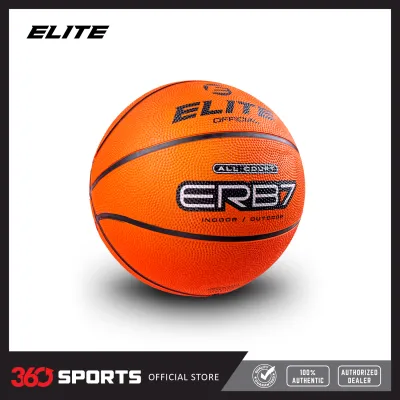
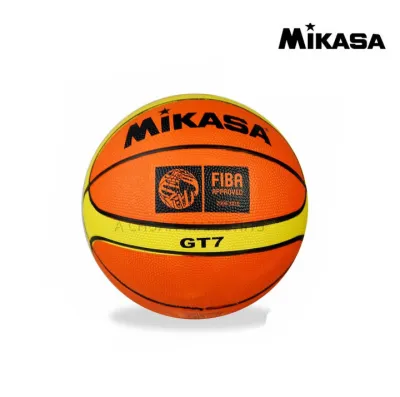
Prices are valid at publication and may change. Please refer to the product page for the latest price.
Furthermore, outdoor courts are rarely perfectly flat. Uneven concrete slabs, expansion joints, cracks, and small pebbles present physical hazards that can warp a basketball over time. Constant impact against sharp edges and uneven ground puts immense stress on the ball’s internal bladder and nylon windings. Without robust construction, a ball can quickly develop lumps or lose its perfect spherical shape, resulting in erratic bounces that disrupt your dribbling rhythm and ruin the flow of the game.
Key Features to Look for in an Outdoor Nike Basketball
When browsing for a Nike ball, the first step is distinguishing between indoor-only models and those rated for outdoor or all-court use. Indoor balls are crafted with premium, soft materials designed to grip clean hardwood, whereas outdoor models prioritize structural resilience and abrasion resistance. Manufacturer labels on the packaging or the ball itself will clearly state the intended environment, helping you avoid costly mistakes.

Cover Material and Construction
The cover material is your primary defense against the destructive nature of concrete. For maximum durability on rough surfaces, heavy-duty rubber is the traditional choice. Rubber covers are highly resistant to scraping, punctures, and moisture, making them incredibly long-lasting and cost-effective for daily pickup games. While rubber feels firmer and bounces livelier than leather, it remains the most resilient option for the harshest concrete environments.
If you prefer a feel closer to a professional game ball, look for outdoor-specific composite leathers. These materials are engineered with tougher synthetic resins that resist tearing and peeling while maintaining a softer, more tactile grip. When evaluating composite options, check the specifications for reinforced seams and heavy-duty butyl bladders, which help the ball retain its shape and air pressure despite repeated impacts on hard ground.
You must absolutely avoid microfiber and premium indoor leathers when shopping for outdoor play. These high-end materials are designed to absorb moisture on clean indoor courts, but on concrete, they will quickly shred, peel at the seams, and absorb dirt. Within a few games, an indoor composite ball used outdoors will lose its outer layer entirely, exposing the underlying threads and rendering the ball useless.
Tread Pattern and Grip Design
A basketball’s grip on a dusty court depends heavily on its tread pattern and groove design. Deep channel designs are essential for outdoor play. Wide, recessed grooves act as escape routes for dust and dirt, allowing your fingers to make direct contact with the main panels of the ball rather than sliding over a layer of loose debris. When you grip the ball to shoot or pass, these deep channels provide reliable leverage points.
Pebble depth is another critical factor. The tiny raised bumps across the ball’s surface, known as pebbles, provide the friction needed for secure handling. For outdoor courts, look for a ball with deep, pronounced pebbling. As you play on concrete, these pebbles will gradually wear down, so starting with a more aggressive texture ensures the ball remains grippy even after months of heavy use.
Aggressive tread patterns also help maintain tactile feedback when your hands are sweaty or when the air is highly humid. In tropical climates, moisture on the ball can combine with concrete dust to create a slick paste. A deep-grooved, heavily pebbled surface cuts through this moisture, giving you the control needed for precise ball handling and shooting.
Evaluating Durability and Grip Before You Buy
Before finalizing your purchase at a local sporting goods store or inspecting a delivery from an online marketplace, a thorough physical inspection is highly recommended. Start with a visual check of the ball’s overall construction. Examine the seams where the panels meet; they should be perfectly aligned, deeply recessed, and free of any lifting edges or visible adhesive residue. Check the inflation valve to ensure it is centered, flush with the surface, and securely seated, as a loose valve is a common source of air leaks.
Next, perform a tactile test to assess the ball’s grip and material quality. Run your hands over the panels to feel the depth and sharpness of the pebbling. A good outdoor ball should feel slightly rough and highly textured, offering immediate friction against your palms. Squeeze the ball slightly to gauge its cover thickness and flexibility; outdoor composite covers should feel substantial and resilient, not thin or overly soft.
Finally, always verify the official designation on the packaging or the ball’s surface. Look for terms like “All-Court,” “Outdoor,” or specific outdoor model names in the product description. If you are budgeting around ₱1,500 to ₱3,500 for a durable option, ensuring these outdoor-specific markings are present guarantees you are paying for a ball engineered to survive the elements rather than a delicate indoor model.
Maintenance Tips to Extend Your Ball's Lifespan
Proper maintenance can significantly extend the life of your basketball, saving you money and keeping your grip consistent. First, regularly check and maintain the correct inflation pressure. Under-inflated balls require harder bounces, which increases seam stress on concrete, while over-inflated balls are prone to warping and can feel too hard on the hands. Use a simple hand pump and pressure gauge to keep the ball within the manufacturer’s recommended PSI range, which is typically printed near the inflation valve.
Cleaning your ball after every session is crucial for preserving its grip. Concrete dust acts as an abrasive agent that accelerates wear if left on the surface. After playing, wipe the ball down with a damp microfiber cloth to remove dirt and sweat from the pebbles and channels. Avoid using harsh chemical detergents, abrasive brushes, or soaking the ball in water, as these can strip the protective coatings and damage the internal bladder.
Storage plays a vital role in material preservation, especially in tropical climates. Never leave your basketball outside exposed to direct sunlight, heavy rain, or extreme heat, such as inside a hot car trunk. Prolonged exposure to UV rays and high temperatures dries out both rubber and composite materials, causing them to crack, harden, and lose their grip. Store your ball indoors in a cool, dry place to keep the materials pliable and ready for the next game.
Frequently Asked Questions (FAQ)
Can I use an indoor Nike basketball on outdoor concrete courts?
Using an indoor Nike basketball on outdoor concrete courts is highly discouraged because the abrasive surface will rapidly destroy the ball. Indoor basketballs are made from soft microfiber or premium leather designed exclusively for smooth hardwood. On rough concrete, these delicate materials will tear, peel at the seams, and lose their grip almost immediately. Additionally, indoor balls lack the reinforced bladders and heavy-duty covers required to withstand impacts against hard ground and outdoor debris, leading to quick structural failure.
How do I clean a dusty outdoor basketball to restore its grip?
To restore the grip of a dusty outdoor basketball, wipe the surface thoroughly with a clean cloth dampened with warm water and a tiny drop of mild dish soap. Gently scrub the channels and pebbles to lift away embedded concrete dust and sweat. Once clean, wipe the ball again with a damp cloth containing only water to remove any soap residue, then dry it completely with a towel. Never submerge the ball in water, use harsh chemical solvents, or dry it with high heat, as these actions can degrade the cover materials and ruin the valve seal.

Community discussion
Share your experience or ask a question. Comments are reviewed before publication.