
Selecting the right plantar fasciitis support depends entirely on where you feel the pain and when it occurs. Because the plantar fascia is a thick band of tissue stretching from your heel to your toes, strain can manifest as a sharp stab in the center of the heel, a dull ache along the arch, or general stiffness when you first wake up. Matching your specific symptoms to the correct category of support—whether it is a structured insole, a shock-absorbing heel cup, a flexible compression sleeve, or a rigid night splint—is the most effective way to reduce strain and promote healing.
In tropical climates like the Philippines, daily footwear choices often contribute to foot strain. Walking on hard tiled floors at home in flat slippers, commuting on concrete pavements in thin-soled shoes, or wearing unsupportive sandals in the heat can exacerbate plantar fascia inflammation. Understanding how different supports function within your daily routine will help you choose a solution that fits both your foot anatomy and your lifestyle.
Identifying Your Pain Location and Triggers
To choose the right support, you must first pinpoint exactly where the discomfort occurs and what activities trigger it. Localized heel pain typically feels like a sharp, stabbing sensation directly under the heel bone. This pain is often most intense during weight-bearing activities, such as standing up after a long period of sitting or walking on hard surfaces. The impact of each step compresses the heel’s natural fat pad, irritating the damaged fascia fibers underneath.
Products mentioned in this guide
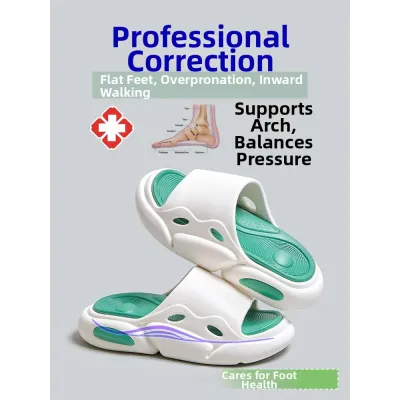
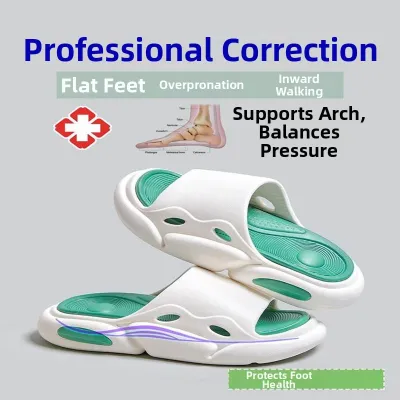
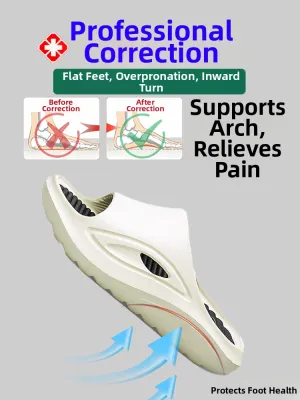
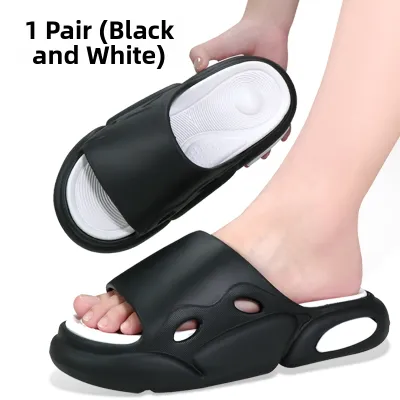
Prices are valid at publication and may change. Please refer to the product page for the latest price.
Arch pain, by contrast, usually presents as a dull, aching, or pulling sensation along the inner midfoot. This discomfort is closely linked to the mechanical movement of your foot as you walk. If your arches flatten excessively or if you have high, rigid arches that do not absorb shock well, the plantar fascia is stretched beyond its normal limit with every step. This continuous tension leads to micro-tears and a persistent ache that worsens as the day goes on.
General foot fatigue is characterized by a widespread, heavy ache across the entire sole of the foot. This is common after long hours of standing, walking, or working in warm, humid conditions where feet can swell slightly. While this type of discomfort is often less sharp than localized heel or arch pain, it can still limit your daily productivity and make standing for long periods highly uncomfortable.
It is also crucial to distinguish mild, activity-related discomfort from severe issues that require professional medical attention. Mild pain typically improves with rest, gentle stretching, and basic over-the-counter supports. However, if you experience severe pain that prevents you from putting any weight on your foot, causes you to limp, or persists even when you are completely off your feet, you should seek an immediate evaluation from a healthcare professional.
Matching Support Types to Specific Pain Areas
Once you have identified your primary pain location and triggers, you can match your symptoms to the specific design features of different over-the-counter supports. Each product category is engineered to address distinct mechanical issues in the foot.

Heel Cups and Cushions for Localized Heel Pain
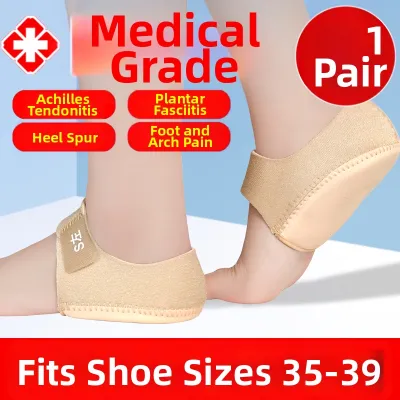
Heel cups and cushions are designed specifically to address sharp, localized pain under the heel bone. These compact inserts sit directly beneath the heel, working to absorb the shock of impact and protect the heel’s natural fat pad from flattening out during weight-bearing activities. They are highly effective for individuals who spend long hours standing on hard concrete or tiled floors.
When selecting heel cups, pay close attention to the materials listed on the product packaging. Silicone options are highly durable and provide firm, consistent shock absorption that holds up well over time. Gel cushions offer a softer, more compliant feel underfoot, which can be highly soothing, though they may degrade faster in hot and humid conditions. Foam cushions are lightweight and affordable, but they tend to compress permanently after a few weeks of heavy use, requiring more frequent replacement.
Before purchasing, perform a compatibility check with your daily footwear. The heel cup must fit securely inside your shoes without raising your heel so high that your foot slips out of the shoe’s heel counter when you walk. If your shoes have shallow heel collars, look for ultra-thin gel cushions or consider a full-length insole instead.
Arch Support Insoles for Arch and Midfoot Strain
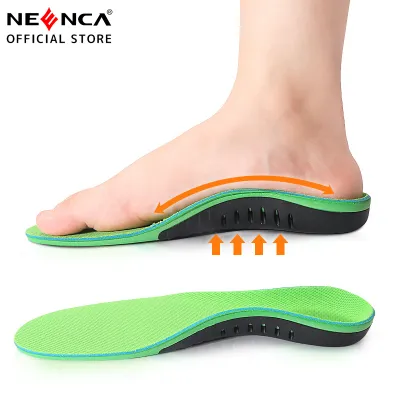
Arch support insoles are the preferred choice for managing aching in the midfoot, arch fatigue, or pain associated with flat feet and high arches. These full-length or three-quarter-length inserts work by redistributing your body weight across the entire sole of the foot, preventing the arch from collapsing excessively and reducing the tension placed on the plantar fascia.
The rigidity of the arch support should match your comfort level and activity needs. Firm structural supports feature a rigid or semi-rigid plastic or nylon core that provides strong mechanical control, making them excellent for correcting excessive pronation during long walks. Flexible cushioning insoles, often made of dense EVA foam, offer milder support with a focus on shock absorption, which is often preferred by those who find rigid inserts too hard or uncomfortable.
Proper fitting is essential to prevent secondary foot issues. When buying full-length insoles, look for trim-to-fit guidelines on the packaging, and use your shoe’s original factory insole as a template to cut the new insert to the exact size. Always remove the existing factory insoles from your shoes before inserting the new arch supports to prevent overcrowding, which can squeeze your toes and cause painful friction blisters.
Compression Sleeves for General Ache and Swelling
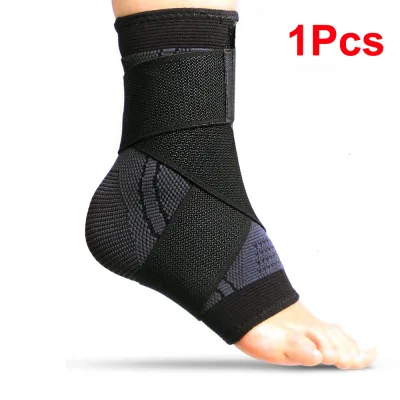
Compression sleeves are lightweight, elastic garments that slide over the foot and ankle, providing mild, flexible compression. They are ideal for managing general foot fatigue, dull aching, and mild swelling that occurs after long periods of standing or walking in warm weather. The gentle compression helps promote circulation and provides a reassuring sensation of stability without adding bulk to your footwear.
To ensure the sleeve works effectively without causing harm, accurate sizing is critical. Use a tape measure to check your arch circumference and ankle size, then compare these measurements to the manufacturer’s sizing chart on the packaging. A sleeve that is too loose will not provide any therapeutic compression, while one that is too tight can restrict blood flow, cause numbness, or leave painful indentations in your skin.
Keep in mind that compression sleeves have clear usage limits. Because they are made entirely of fabric, they do not provide the rigid structural support needed to lift a collapsing arch or absorb heavy heel impacts. If you are dealing with sharp heel pain or severe arch strain, compression sleeves should only be used as a secondary recovery tool alongside structured insoles or heel cups.
Night Splints for Morning Stiffness and First-Step Pain
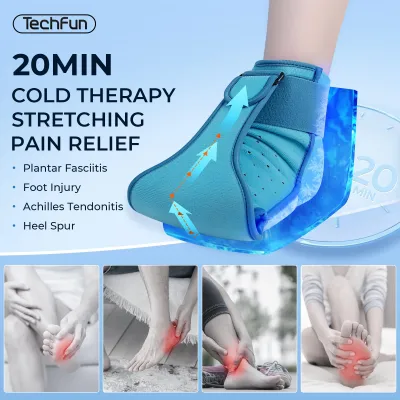
Night splints are specialized devices designed to address the severe pain and stiffness that occurs during your first few steps out of bed in the morning. When you sleep, your foot naturally points downward, causing the plantar fascia and Achilles tendon to shorten and tighten overnight. A night splint holds your foot in a gentle, ninety-degree stretch while you sleep, preventing this tightening and reducing morning discomfort.
There are two primary design variations available in sports accessory stores. Rigid dorsal splints feature a hard plastic frame along the top or back of the foot, holding the ankle firmly in place; while highly effective, they can feel bulky and may disrupt your sleep. Soft sock-style splints use a fabric sock with an adjustable strap that pulls the toes upward; these are generally more comfortable and easier to sleep in, though they provide a slightly less rigid stretch.
Adapting to a night splint requires patience and a gradual break-in period. Do not attempt to wear the splint for a full night right away, as this can cause muscle cramping or discomfort that disrupts your rest. Instead, follow the manufacturer’s instructions to wear the splint for just one to two hours while resting on the couch before bedtime, gradually increasing the wear time over a week or two as your foot adjusts.
How to Test and Adjust Your Chosen Support
Introducing any new support product to your feet alters your natural walking mechanics, making a careful break-in and adjustment period essential for safety.
Begin with a structured break-in protocol rather than wearing your new insoles or heel cups for a full day immediately. On the first day, wear the support for only one to two hours during light activity, then switch back to your normal footwear. Increase this wear time by one hour each day over the course of a week. This gradual transition allows the muscles, tendons, and ligaments in your feet to adapt to the new alignment without experiencing sudden strain.
During this break-in period, monitor your body’s response closely. While some mild adjustment discomfort in the arch is normal, you should not experience new or worsening pain in your knees, hips, or lower back. If you notice pain developing in these joint areas, it indicates that the support is altering your biomechanics in an unfavorable way, and you may need to switch to a product with a different level of rigidity or arch height.
Always evaluate how the support integrates with your daily footwear. Put on your shoes with the support inserted and walk around on a flat surface. Check for signs of excessive tightness, toe crowding, or a feeling that your heel is lifting out of the shoe. If your toes feel cramped, verify that you have removed the shoe’s original insole, or consider switching to a thinner support model.
Be prepared to make adjustments if you experience localized irritation. If a support causes hot spots, blisters, or pinching, stop using it immediately. You may need to trim the edges of an insole slightly, reposition a heel cup, or exchange the product for a different size. Continuing to wear an ill-fitting support can lead to skin breakdown, blisters, or secondary gait alterations that worsen your overall condition.
When to Stop Self-Treatment and Seek Professional Help
While over-the-counter supports are highly effective for managing mild to moderate plantar fasciitis symptoms, they are not a substitute for professional medical care when the condition is severe or persistent.
Establish a clear time limit for self-treatment. If you have used your chosen support consistently for several weeks alongside rest and gentle stretching, but your pain has not improved or continues to worsen, it is time to seek a professional medical evaluation. Prolonged inflammation can lead to chronic tissue damage that is much harder to treat.
Stop using any support product immediately and consult a doctor if you experience neurological symptoms. Numbness, tingling, a “pins and needles” sensation, or a burning feeling in your foot or toes are signs of nerve compression, which can occur if a support is too tight, poorly positioned, or if your condition involves a pinched nerve rather than simple muscle strain.
You must also watch for signs of acute inflammation that require prompt medical assessment. If you notice severe swelling, visible redness, or skin that feels hot to the touch around your heel or ankle, these are indicators of significant tissue irritation or potential infection, neither of which can be resolved with over-the-counter supports.
Finally, understand the structural limitations of retail products. Over-the-counter insoles, heel cups, and splints are designed to manage symptoms and support your foot’s existing structure; they cannot correct underlying bone spurs, severe tendon tears, or complex biomechanical abnormalities. A podiatrist or physical therapist can provide custom orthotics, targeted physical therapy, and a comprehensive treatment plan tailored to your unique foot structure.
Frequently Asked Questions (FAQ)
Can I wear arch support insoles and heel cups together?
No, you should avoid wearing arch support insoles and heel cups together inside the same shoe. Layering multiple independent support products occupies too much space, leading to severe shoe overcrowding that squeezes your foot and toes. This overcrowding can alter your natural walking mechanics, create painful pressure points, and cause blisters. Instead of layering, choose a single, high-quality full-length insole that is designed with both built-in arch support and a deep, cushioned heel cup to address both areas safely.
How long does it typically take for plantar fasciitis supports to relieve pain?
Over-the-counter supports provide immediate mechanical relief by reducing tension and absorbing impact while you are wearing them, but they do not instantly heal the underlying inflamed tissue. Noticeable improvement in your baseline, barefoot pain levels typically takes several weeks of consistent daily use. For the best results, you must combine the use of supports with regular calf and plantar fascia stretches, adequate rest, and avoiding walking barefoot on hard floors.
Should I wear my plantar fasciitis support all day?
Your daily wear schedule depends entirely on the type of support you are using. Structured arch support insoles are designed for all-day wear inside your shoes to maintain proper foot alignment during all weight-bearing activities. Compression sleeves, however, should be removed periodically throughout the day to allow your skin to breathe and to check for any signs of restricted circulation. Always follow the specific break-in and daily wear-time guidelines provided by the manufacturer on the product packaging.

Community discussion
Share your experience or ask a question. Comments are reviewed before publication.