
Finding the right size 7 basketball (bola pang basketball size 7) in the Philippines requires matching the ball’s construction to the specific court surface you play on. Whether you are running full-court games on a polished indoor wooden floor or playing a casual three-on-three match on a rough barangay concrete court, the material of your basketball directly dictates its grip, bounce, and overall lifespan. In a tropical climate characterized by high humidity, intense heat, and sudden downpours, choosing a ball with the correct cover material and channel design ensures you maintain control during play while protecting your investment.
Understanding Court Surfaces and Material Matchups
The physical characteristics of where you play are the most critical factors in determining which basketball material will perform best. Outdoor courts in local neighborhoods, schools, and parks are predominantly made of concrete or asphalt. These surfaces are highly abrasive, acting like sandpaper against the outer cover of a basketball. In contrast, indoor courts—typically found in commercial sports centers, private gyms, and school coliseums—feature smooth hardwood or synthetic polyurethane floors. These indoor surfaces are designed to maximize traction without wearing down the ball, allowing for more delicate cover materials.
To match these surfaces, basketballs are manufactured using three primary materials: rubber, composite leather, and genuine leather. Rubber is the most rugged and affordable option, making it highly resilient against rough concrete. Composite leather, also known as synthetic leather, mimics the feel of genuine leather while offering varying degrees of durability depending on its specific blend. Genuine leather represents the premium tier, offering unmatched tactile feel and consistency but requiring a dedicated break-in period. Before making a purchase, always check the manufacturer’s label or product specifications to verify whether the ball is rated for indoor use, outdoor use, or both.
Products mentioned in this guide
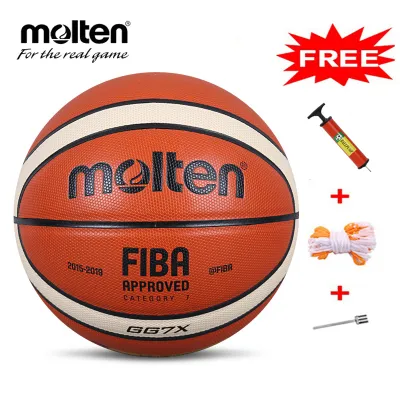
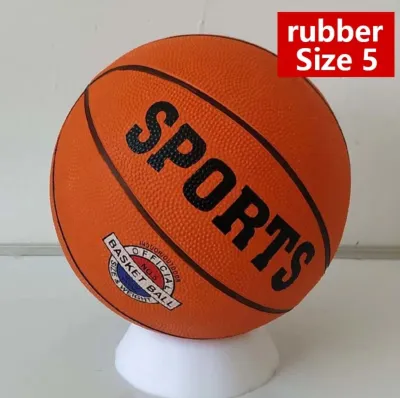
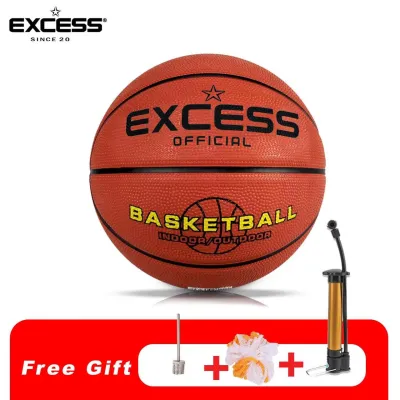
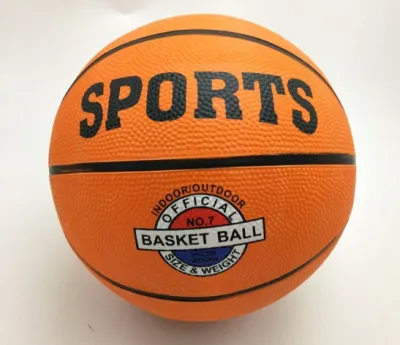
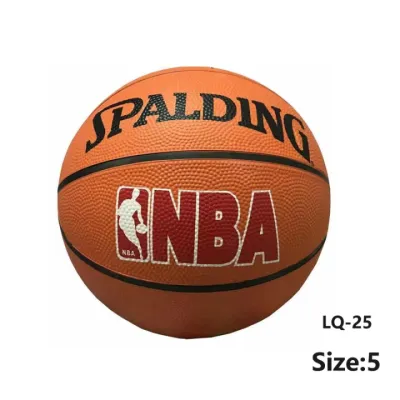
Prices are valid at publication and may change. Please refer to the product page for the latest price.
Selecting a Size 7 Basketball for Outdoor Concrete Courts
Playing on outdoor concrete or asphalt courts demands a basketball that can withstand constant friction and impact without losing its structural integrity. For these unforgiving environments, a high-quality rubber ball or a heavy-duty composite leather ball designed specifically for outdoor use is essential. Standard indoor composite balls will quickly peel, scuff, and lose their outer texture when subjected to rough concrete, rendering them slippery and unusable within a few sessions. A dedicated outdoor cover resists abrasion, ensuring the panels remain securely bonded to the inner bladder.

Grip is another major challenge on outdoor courts, where dust, dirt, and fine sand constantly accumulate on the playing surface. To combat this, look for a size 7 basketball featuring deep, wide channels. These recessed grooves allow dust and debris to channel away from your fingers, helping you maintain a secure grip during dribbling, passing, and shooting. Additionally, the pebbled texture on the panels should be pronounced and tactile, providing sufficient friction even when the ball becomes dusty.
The tropical climate of the Philippines adds humidity and moisture to the equation. Outdoor play often exposes the ball to damp air, sweat, and occasional puddles. Selecting a ball with moisture-resistant properties prevents the cover from absorbing water, which can make the ball heavy, waterlogged, and prone to warping. A rubber or specially treated outdoor composite cover ensures the ball retains its standard weight and predictable bounce, even during humid afternoon games.
Selecting a Size 7 Basketball for Indoor Gym Floors
When transitioning to indoor gym floors, the priorities shift from raw durability to precision, feel, and consistent performance. Indoor courts do not subject the ball to abrasive wear, allowing players to utilize premium composite leather or genuine leather basketballs. These materials offer a softer, more cushioned feel in the hand, which translates to better control during high-speed dribbling and more consistent release off the fingertips when shooting.
Genuine leather basketballs are the gold standard for professional and high-level indoor play. However, players must note that a brand-new genuine leather ball feels stiff and slick out of the box; it requires a break-in period of regular use to develop its signature soft grip and dark, seasoned color. Because genuine leather absorbs moisture and oils from players’ hands to improve its grip over time, it must never be used outdoors. Exposing genuine leather to concrete, dirt, and moisture will permanently ruin the material, causing it to dry out, crack, and lose its shape.
For players who want excellent indoor performance without the break-in period or the premium cost of genuine leather, high-grade indoor composite leather is an outstanding alternative. When selecting an indoor ball, pay close attention to the air retention system and valve quality. Indoor play relies heavily on a perfectly consistent bounce across the entire court surface. A high-quality butyl bladder and a secure air valve prevent micro-leaks, ensuring the ball maintains its optimal pressure throughout long training sessions and competitive games.
Evaluating Indoor and Outdoor Crossover Basketballs
For many players in the Philippines, a single basketball must serve dual purposes, transitioning from weekend indoor league games to weekday outdoor street play. This need has led to the popularity of indoor/outdoor crossover basketballs, which are typically constructed from a specialized composite leather hybrid. These crossover balls attempt to strike a balance, offering a softer, leather-like feel for indoor courts while incorporating extra durability to withstand the moderate abrasion of outdoor surfaces.
While crossover balls offer great versatility, they do come with inherent trade-offs. When used on rough concrete, even a durable crossover composite ball will wear down faster than a pure rubber ball. The soft outer texture will gradually smooth out, and the channels may begin to show signs of scuffing. Conversely, when taken indoors after outdoor use, a crossover ball that has collected outdoor dust and concrete residue can feel slippery on a polished wooden floor, potentially compromising your grip and ball handling.
If you choose to use a crossover ball, it is best suited for casual play or environments where the outdoor courts are relatively smooth or painted. To maximize its lifespan, monitor the ball for observable signs of wear, such as peeling panel edges or bald spots where the pebbled texture has completely flattened. Once these signs appear, the ball’s performance on indoor courts will decline significantly. At this stage, it is highly recommended to retire that ball to exclusive outdoor use and invest in a dedicated ball for your indoor games.
Inspecting and Maintaining Your Basketball
Regular inspection and proper maintenance are vital to extending the life of your size 7 basketball, regardless of the material or where you play. Before every game, perform a quick visual and tactile check of the ball. Run your hands over the panels to feel for any lifting edges, deep gouges, or bald spots. Inspect the shape of the ball by spinning it on your finger or bouncing it on a flat surface; a warped ball will have an erratic, unpredictable bounce that can disrupt your rhythm and dribbling mechanics.
Proper inflation is crucial for both performance and durability. Over-inflating a basketball, especially when playing on hard outdoor concrete, increases the internal tension of the bladder and makes the outer cover more susceptible to puncturing or splitting upon impact. Under-inflation, on the other hand, results in a dead bounce and forces you to use more effort to dribble, affecting your form. Use a reliable hand pump and a pressure gauge to inflate the ball to the manufacturer’s recommended PSI, which is typically printed directly around the inflation valve.
Cleaning your basketball after play is a simple yet highly effective way to preserve its grip. For outdoor rubber or composite balls, wipe away accumulated dust, dirt, and sweat using a damp microfiber cloth with a small amount of mild soap. Avoid harsh chemical detergents or soaking the ball in water, as moisture can seep into the valve or under the panels. For indoor composite or leather balls, a gentle wipe with a dry or slightly damp cloth is usually sufficient to remove floor polish residue and sweat. Always allow the ball to air dry completely in a shaded, well-ventilated area away from direct sunlight, as extreme heat can warp the bladder and dry out the cover material.
Frequently Asked Questions (FAQ)
Does a size 7 basketball weigh the same for indoor and outdoor use?
Yes, official size 7 basketballs are designed to meet the same standard weight specifications, which typically range between 567 and 650 grams, regardless of whether they are rated for indoor or outdoor play. However, the material composition can significantly affect how heavy or balanced the ball feels in your hands. Rubber outdoor balls often feel denser and stiffer, which can make them feel slightly heavier during shooting and passing. Indoor composite or genuine leather balls, with their cushioned backing and softer covers, provide a more responsive feel that many players perceive as lighter and easier to control.
How often should I replace my outdoor basketball?
The replacement frequency of an outdoor basketball depends on how often you play and the roughness of the court surface. You should replace your ball when you notice clear visual and performance indicators of degradation. Visually, look for smoothed-out pebbles (bald spots), faded or shallow channels, and peeling panel seams. Performance-wise, if the ball begins to lose air pressure rapidly between sessions, exhibits an inconsistent or dead bounce, or becomes dangerously slippery even after being wiped clean, it has reached the end of its functional lifespan and should be replaced to ensure safe and effective play.

Community discussion
Share your experience or ask a question. Comments are reviewed before publication.