
Selecting the ideal baseball bat for casual park games and easy car transport requires balancing player comfort with vehicle storage limits. There is no single universal size that works for every player or every vehicle; instead, the ideal choice depends on matching the bat’s length and weight to your physical profile while ensuring it fits securely in your trunk or back seat. A bat that is too long or heavy can hinder your swing and prove difficult to pack alongside picnic gear, while a bat that is too small may limit your reach and enjoyment during recreational play.
For casual outings, the goal is to find a versatile, lightweight option that players of varying skill levels can share. By evaluating sizing standards for recreational play and assessing practical transport solutions, you can find a bat that delivers both fun at the park and hassle-free transit. This guide helps you navigate these decisions, taking into account the unique demands of transport, storage, and tropical outdoor conditions.
Sizing Your Bat for Casual Park Play
When choosing a bat for recreational park games, matching the bat’s length to the player’s height and weight is the first step toward a comfortable swing. For most casual adult players, bats measuring between 30 and 32 inches offer a balanced combination of reach and control. Younger players or shorter adults often find that bats in the 26- to 29-inch range provide a more manageable swing path. If you are purchasing a single bat for a group of friends or family members to share, opting for a mid-sized model around 29 to 30 inches is often the most versatile compromise.
Products mentioned in this guide
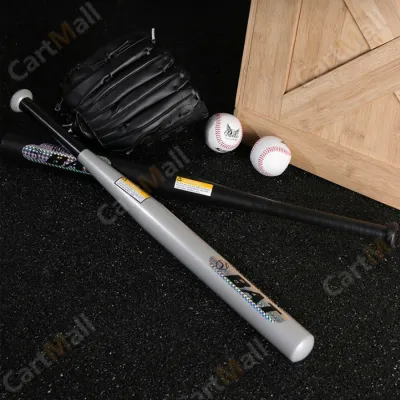
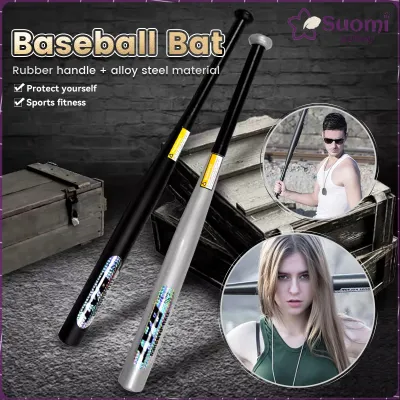
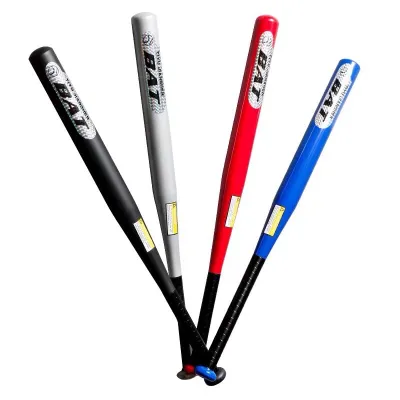
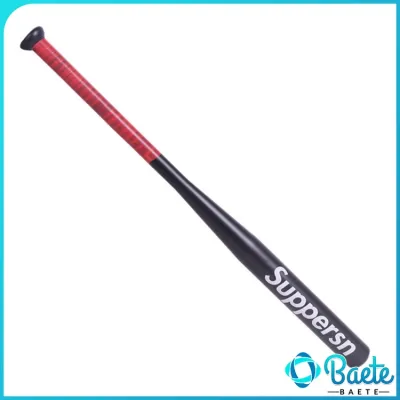
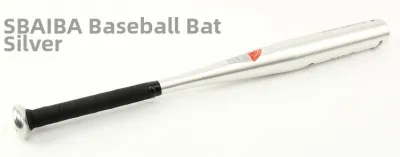
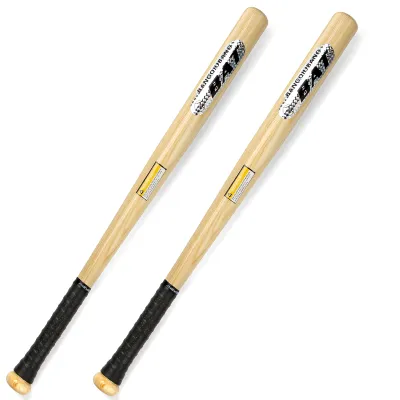
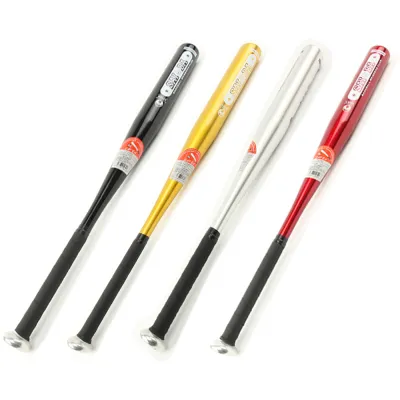
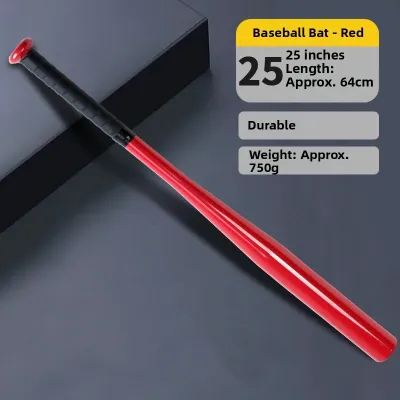
Prices are valid at publication and may change. Please refer to the product page for the latest price.
Understanding the “drop weight” of a bat is equally important for casual players. The drop weight is the difference between the bat’s length in inches and its weight in ounces, represented as a negative number. For example, a 30-inch bat that weighs 20 ounces has a drop weight of -10. Lighter bats with higher drop weights, such as -10 or -12, are highly beneficial for casual players because they allow for faster swing speeds and better barrel control. Heavier bats require more forearm strength and proper technique to swing effectively, which can quickly lead to fatigue or wrist strain during informal games.
Before making a purchase, you can perform a couple of simple, practical fit tests at home or in a local sporting goods store to verify comfort. The first is the chest-to-barrel reach test: place the knob of the bat in the center of your chest and extend your arm straight out parallel to the bat. If your fingertips can comfortably touch the end of the barrel, the length is generally appropriate for your arm span. If you have to strain to touch the end, or if the bat extends far past your fingertips, the bat may be too long.
Another reliable check is the wrist extension test, which measures whether the bat’s weight is suitable for your strength. Hold the bat by the handle with your dominant hand and extend your arm straight out to your side, parallel to the ground. Attempt to hold this position steady for 20 to 30 seconds without letting your wrist sag or shake. If you cannot maintain a firm grip, the bat is likely too heavy for comfortable recreational use, and you should look for a model with a lighter drop weight.
Evaluating Bat Designs for Car Transport and Storage
Standard one-piece aluminum or wood bats are highly durable and popular for casual play, but their rigid construction requires careful planning for vehicle transport. If you drive a compact hatchback or a sedan, a full-sized bat can take up valuable cargo space. While some players consider compact alternatives like two-piece travel bats or telescopic designs, these options come with structural trade-offs. Telescopic bats often lack the structural integrity needed to withstand solid contact with a standard baseball, making them better suited for light soft-toss play with plastic balls rather than active park games.

Before heading to the store, take a moment to measure the available storage spaces in your vehicle. The diagonal length of your trunk is usually the most secure spot for a standard bat, as it keeps the gear flat and prevents it from shifting during transit. In smaller vehicles, you may need to utilize the floorboards behind the front seats. Avoid storing loose bats in the glove compartment or directly under the driver’s seat, as a loose bat can slide forward under sudden braking and potentially interfere with the foot pedals.
To protect both your equipment and your car’s interior, consider using dedicated storage accessories. A simple padded bat sleeve or a multi-bat gear bag prevents the metal or wood from scratching your vehicle’s plastic panels and leather seats. These bags also keep your bat clean and dry, which is particularly important if you are packing muddy cleats or wet picnic blankets after a day at the park. If you prefer to keep your trunk organized, a cargo organizer with secure straps can hold the bat stationary and prevent it from rolling around during sharp turns.
For those playing in public parks, safety should always be a priority during transport and setup. Ensure your bat is stored out of direct sight to prevent vehicle break-ins, especially if you park in public lots. When arriving at the park, always inspect your gear for any damage sustained during transit, such as loose grip tape or dents in alloy models, before taking your first swing.
Balancing Performance and Portability
If your ideal playing size exceeds your vehicle’s convenient storage limits, you may need to make a strategic compromise. For instance, if a 31-inch bat is your perfect physical match but is difficult to fit into your compact trunk, opting for a 29-inch bat with a balanced weight distribution can bridge the gap. A slightly shorter bat is much easier to pack and can still perform exceptionally well in casual games, provided it features a balanced profile rather than an end-loaded design that concentrates weight at the tip of the barrel.
Material choice also plays a significant role in how well your bat tolerates being stored in a vehicle. In tropical climates with high temperatures and humidity, leaving sports gear in a parked car can lead to rapid degradation. Always check the manufacturer’s care labels and instructions for material-specific limits. Composite bats, which are made of carbon fiber layers, utilize resins and adhesives that can soften or break down when exposed to the extreme heat of a closed car cabin, leading to premature cracking.
Aluminum alloy and solid wood bats generally handle high temperatures better than composite models, but they are not entirely immune to environmental wear. Prolonged exposure to high humidity can cause wooden bats to absorb moisture and warp, while the adhesive backing on synthetic grip wraps can melt or slip under intense heat. To maximize the lifespan of your gear, make it a habit to remove your bat from the car and store it in a cool, dry indoor space when you return home, rather than leaving it in the trunk indefinitely.
When you are ready to make a final decision, use this checklist to confirm the right purchase for your needs:
- Verify the player's height and arm reach against the bat's physical length.
- Perform the wrist extension test to ensure the weight is manageable for all intended players.
- Measure your vehicle's trunk diagonal or floorboard space to guarantee a secure fit.
- Check local park guidelines to ensure the bat material complies with any recreational safety rules.
- Select a protective sleeve or padded bag to safeguard your car's interior and keep the bat secure during transit.
By taking these factors into account, you can enjoy your weekend park games without worrying about damaged gear or cramped car rides, all while keeping your investment safe and ready for the next outing.
Frequently Asked Questions (FAQ)
Can I use a telescopic or collapsible bat for casual park games?
Telescopic or collapsible bats are highly portable and easy to store in a backpack or glove box, but they are generally not recommended for standard recreational baseball games. The joints in collapsible designs are prone to slipping, vibrating excessively, or breaking upon high-velocity impact with a standard baseball. They are best reserved for light soft-toss practice with lightweight training balls. Always verify with your local park group or casual league, as many prohibit modified or non-standard bats due to safety concerns regarding flying debris if the bat fails.
Is it safe to leave a baseball bat in a hot car?
Leaving a baseball bat in a hot car for extended periods is generally not recommended, particularly for composite models. High cabin temperatures can weaken the epoxy resins used in composite construction, compromising the bat’s structural integrity and performance. While aluminum alloy and solid wood bats are less susceptible to structural heat damage, extreme heat can still cause grip tapes to unravel or adhesive backings to slip. To prolong the lifespan of your equipment, store your bat in a cool, dry place indoors when not in use.

Community discussion
Share your experience or ask a question. Comments are reviewed before publication.