
Selecting the right Spalding basketball in the Philippines requires a clear understanding of where you play most of your games. The optimal choice depends entirely on your primary court surface: smooth, polished indoor hardwood demands a ball that prioritizes grip and moisture absorption, while rough outdoor concrete or asphalt requires a highly durable cover that can withstand intense abrasion. Matching the ball’s material to your playing environment ensures both peak performance during play and a much longer lifespan for your equipment.
In the tropical climate of the Philippines, factors like high humidity, dust, and heat also play a major role in how a basketball performs. An indoor ball brought onto a dusty outdoor barangay court will quickly lose its grip and suffer permanent physical damage. Conversely, a stiff outdoor rubber ball used on a polished indoor court will feel slippery and fail to provide the control needed for precise handling and shooting. By understanding the structural differences between these balls, you can make an informed investment that elevates your game.
Understanding Court Surfaces and Basketball Materials
Court surfaces vary dramatically in their texture, friction levels, and impact on sports equipment. Indoor courts, typically made of polished maple hardwood or high-grade synthetic vinyl, present a smooth and consistent surface. These courts require a basketball that can generate high friction against a clean floor, allowing players to execute quick cuts, precise passes, and controlled shots without the ball slipping from their hands.
Products mentioned in this guide
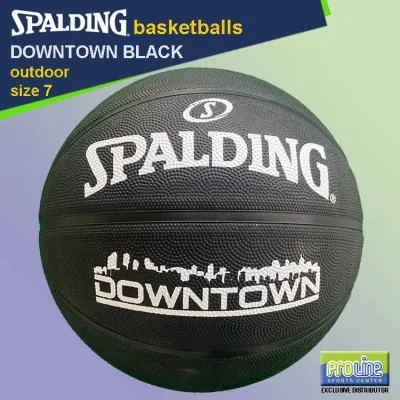
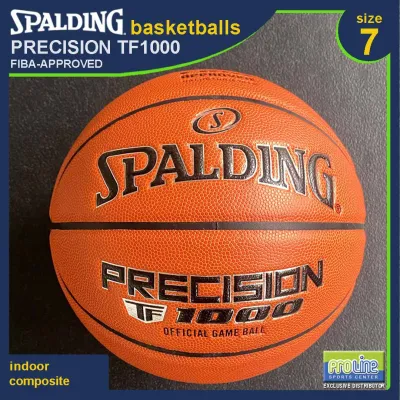
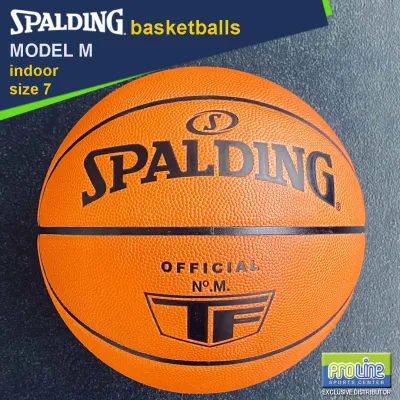
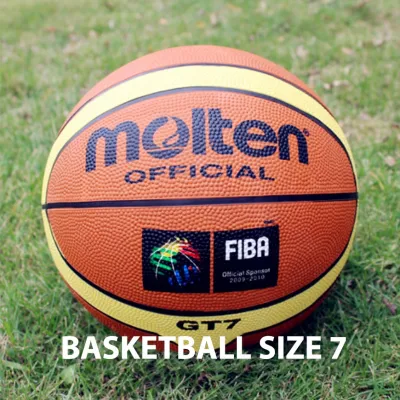
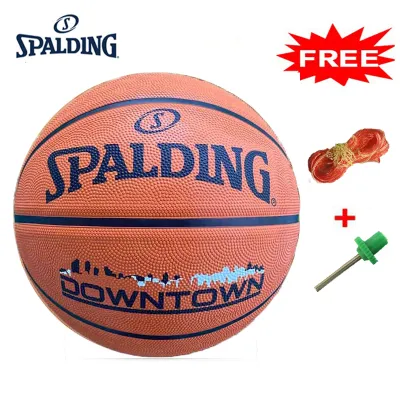
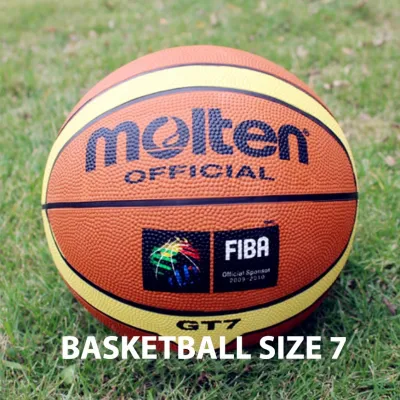
Prices are valid at publication and may change. Please refer to the product page for the latest price.
Outdoor courts in the Philippines, which are commonly found in local barangays, schools, and parks, are usually constructed from concrete or asphalt. These surfaces are highly abrasive and act like sandpaper against the outer cover of a basketball. Additionally, outdoor courts are constantly exposed to environmental elements such as dust, dirt, rain, and intense sunlight, which rapidly degrade delicate materials.
To address these different environments, basketball manufacturers utilize three primary material categories for their covers:
- Genuine Leather: This is the gold standard for professional indoor play. Genuine leather offers an unmatched feel and grip, but it is highly sensitive to moisture and rough surfaces. It is completely unsuitable for outdoor use.
- Composite Leather: A synthetic material engineered to mimic the feel of genuine leather while offering enhanced durability. Composite covers range from soft, indoor-only varieties to rugged, specially formulated hybrid blends designed for dual-surface play.
- Heavy-Duty Rubber: The most durable and budget-friendly option available. Rubber covers are highly resistant to concrete abrasion, water, and dirt, making them the traditional choice for rugged outdoor play.
When shopping, always read the manufacturer indicators printed directly on the ball’s panels or packaging. Look for explicit designations such as “Indoor Only,” “Outdoor,” or “Indoor/Outdoor” to ensure you are matching the ball to your primary playing environment.
Choosing a Spalding Basketball for Indoor Hardwood
If your games take place exclusively on indoor hardwood or polished synthetic courts, your primary focus should be on maximizing grip, feel, and control. Indoor-specific Spalding basketballs are engineered with premium composite leather or genuine leather covers. These materials are designed to absorb sweat from your hands during intense play, preventing the ball from becoming slick and slippery as the game progresses.

When selecting an indoor ball, look for the “Indoor Only” or “Genuine Leather” label printed near the inflation valve. Genuine leather models require a dedicated break-in period before they reach their optimal performance level. Initially, a brand-new leather ball will feel stiff and somewhat slick; however, as you use it in indoor practices, the leather will absorb natural oils from your hands, gradually softening and developing a deep, personalized grip.
Using an indoor-specific ball on an outdoor concrete court is a costly mistake. The rough concrete will immediately begin to grind down the soft pebble grain of the composite or genuine leather cover. Within just one or two outdoor sessions, the outer layer can tear, peel, or wear down completely smooth, permanently ruining the ball’s grip and structural integrity. Keep your indoor basketball strictly inside the gym to preserve its premium feel and performance.
Choosing a Spalding Basketball for Outdoor Concrete
For players who frequent outdoor concrete, asphalt, or street courts, durability is the single most important factor. Outdoor Spalding basketballs are specifically constructed to survive the punishing friction of rough ground. These balls typically feature heavy-duty rubber covers or rugged, abrasion-resistant composite leather formulations designed specifically to withstand asphalt.
To maintain playability on dusty outdoor courts, outdoor basketballs are designed with deep channel grooves and aggressive, raised pebble patterns. These structural features help channel away fine dust and dirt that accumulate on the ball’s surface, ensuring you can still maintain a secure grip even when playing in windy or dusty outdoor conditions.
While outdoor rubber and rugged composite balls offer exceptional durability, they do come with specific trade-offs. They generally have a much stiffer initial feel and a harder, more pronounced bounce compared to premium indoor leather models. Additionally, because these materials are non-porous to resist moisture and dirt, they do not absorb hand sweat, which can make them feel slightly slicker during high-humidity midday games.
Can One Ball Do It All? Evaluating Indoor/Outdoor Options
Many players look for a versatile solution that can transition seamlessly from an afternoon run on a concrete barangay court to a weekend league game in an indoor gym. To meet this demand, hybrid “Indoor/Outdoor” composite basketballs are widely available. These balls utilize a specialized composite leather cover that attempts to balance the soft, high-grip feel of an indoor ball with the tougher wear-resistance of an outdoor model.
While hybrid balls offer great convenience, they represent a compromise. To survive outdoor concrete, the composite material must be denser and harder than that of a dedicated indoor ball, meaning it will never feel quite as soft or grippy on a hardwood floor. Conversely, because it is still softer than pure rubber, a hybrid ball will wear out significantly faster on concrete than a dedicated outdoor rubber ball.
To make the right decision, apply the 80/20 rule to your playing habits:
- Play 80% Indoors / 20% Outdoors: Invest in a high-quality indoor composite ball for your gym games, and purchase a separate, budget-friendly rubber ball dedicated strictly to your occasional outdoor sessions.
- Play 80% Outdoors / 20% Indoors: Opt for a durable outdoor composite or heavy-duty rubber ball. It will survive the concrete and still be perfectly usable on the rare occasions you step onto an indoor hardwood court.
Pre-Purchase Inspection and Daily Maintenance Checklist
Before finalizing your purchase at a local sporting goods store or receiving your delivery from an online marketplace, perform a thorough physical inspection of the basketball. Check the seams and channels to ensure there are no visible gaps, peeling edges, or excess adhesive. Run your hands over the entire surface to verify that the pebble texture is consistent and that there are no flat spots or asymmetrical panels.
Proper inflation is critical to maintaining the ball’s shape and bounce characteristics. Every Spalding basketball has a recommended inflation pressure (measured in PSI, typically between 7 and 9 PSI) printed directly around the inflation valve. Always use a reliable pressure gauge when inflating your ball; guessing by squeezing the ball with your hands often leads to over-inflation, which can stretch the inner bladder and cause permanent warping.
Maintaining your basketball in the humid Philippine climate requires consistent care. After playing on an outdoor court, use a clean, slightly damp microfiber cloth to wipe away accumulated dust, dirt, and sweat from the cover. Never submerge the ball in water or use harsh chemical detergents, as this can degrade the adhesive holding the panels together. Finally, store your basketball in a cool, dry indoor space; leaving it exposed to direct sunlight, rain, or the extreme heat of a parked car trunk will cause the air inside to expand, leading to warping, panel separation, and air leaks.
Frequently Asked Questions (FAQ)
What is the standard Spalding basketball size for adults?
For adult male players (ages 15 and older), the official standard is Size 7, which has a circumference of 29.5 inches. For adult female players (and youth players aged 9 to 12), the official standard is Size 6, which has a circumference of 28.5 inches. Always verify the specific tournament or local league guidelines in your area before purchasing to ensure you are training with the correct size.
How do I properly break in a new leather Spalding basketball?
Breaking in a genuine leather basketball requires patience and consistent use. The best method is to use the ball daily during indoor dribbling drills, passing practice, and team scrimmages. The natural oils from your hands will gradually absorb into the leather, softening the cover and darkening its color over time. Never use leather conditioners, oils, or water to speed up this process, and absolutely avoid using the ball outdoors during the break-in phase.
Why does my outdoor basketball feel slippery on indoor courts?
Outdoor basketballs are made from harder, denser rubber or composite compounds designed to resist concrete wear. Because these materials do not compress or flex as easily as soft indoor composites, they cannot grip polished hardwood floors effectively. Furthermore, outdoor balls easily pick up fine dust from the gym floor; because the hard material cannot absorb or displace this dust, it forms a slippery barrier between the ball and the court surface.

Community discussion
Share your experience or ask a question. Comments are reviewed before publication.