
Finding the ideal sports belt bag for women runners in the Philippines requires balancing anatomical fit, storage capacity, and climate-resilient materials. In a tropical climate characterized by high humidity and sudden downpours, a running belt must do more than just hold a smartphone; it must remain completely stable against the body without causing friction or trapping heat.
Women runners face unique fit challenges due to differences in pelvic structure and waist-to-hip ratios. A belt that rides up or bounces not only disrupts your running rhythm but can also cause painful chafing. By focusing on ergonomic cuts, adjustable tension systems, and moisture-wicking fabrics, you can secure your essentials—such as keys, hydration flasks, and energy gels—while maintaining a natural, unrestricted running gait.
Rather than relying on universal claims, the key to a successful purchase lies in matching the belt’s design to your specific training distance and verifying physical dimensions before buying. This guide breaks down the essential biomechanical factors, design features, and sizing checks to help you select a high-performing waist pack tailored to your running routine.
Products mentioned in this guide
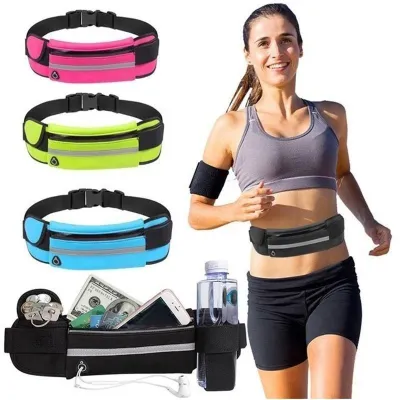
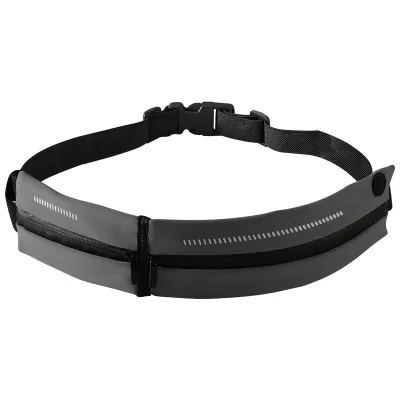
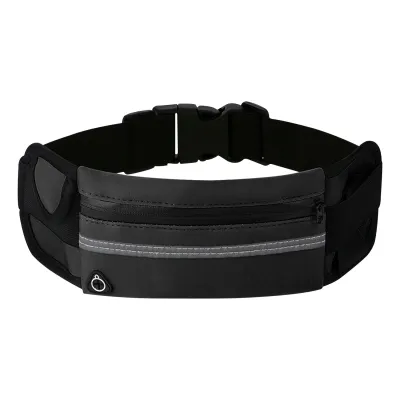
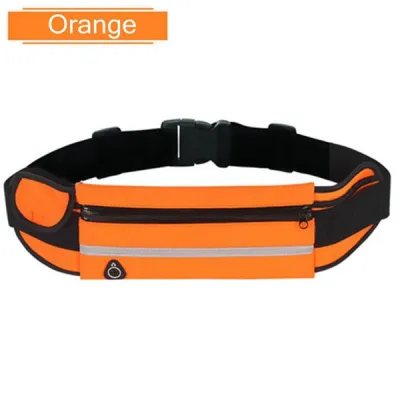
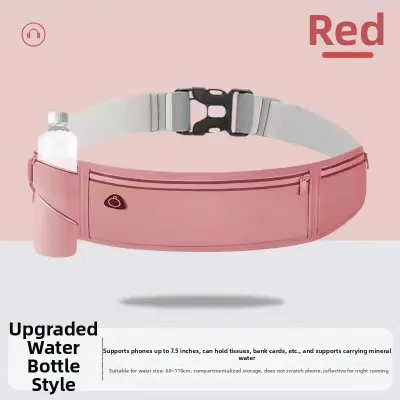
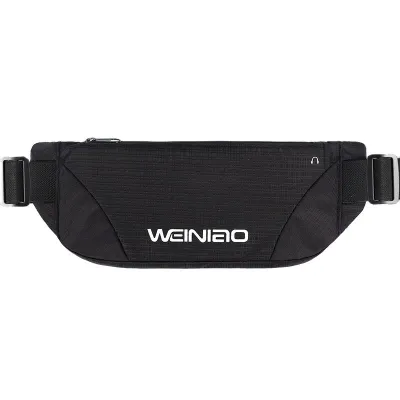
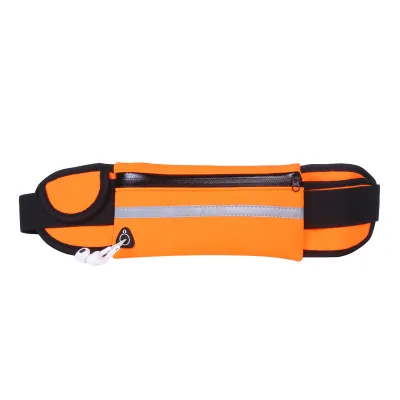
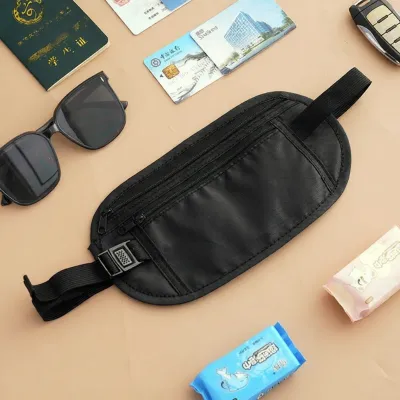
Prices are valid at publication and may change. Please refer to the product page for the latest price.
Understanding Fit and Biomechanics for Women Runners
Women generally have a more pronounced waist-to-hip ratio and a wider pelvic angle compared to men. This anatomical difference means that standard, straight-cut running belts often slide upward toward the narrower natural waist during a run, or bounce excessively when positioned lower on the hips. To counter this, look for contoured or tapered cuts that mimic the natural slope of the female torso. A belt with a wider band or a slightly flared shape distributes pressure more evenly, preventing the fabric from digging into the skin or shifting out of place.
During the running gait cycle, your body experiences vertical oscillation with every stride. Any weight carried around your waist amplifies this movement. A bounce-free design relies on keeping the center of gravity of your stored items as close to your body’s midline as possible. When a belt bag fits snugly against the lower abdomen or the small of the back, it minimizes the leverage that causes bouncing. This stability is crucial for preventing muscle fatigue in the lower back and core, allowing you to maintain proper running form over longer distances.
Running in the Philippines presents distinct environmental challenges, primarily intense heat and high humidity. Standard neoprene or thick nylon belts can act as heat traps, leading to excessive sweating, skin irritation, and localized chafing. Opting for lightweight, highly breathable fabrics like open-cell mesh or advanced polyester-elastane blends is essential. These materials facilitate rapid airflow and pull moisture away from the skin, helping to regulate your body temperature and keep the contact area dry even during intense midday or early morning training sessions.
Furthermore, the constant friction of a shifting belt against sweat-softened skin can quickly lead to painful micro-tears. Seamless construction or flatlock stitching along the edges of the belt is a critical feature to look for. By minimizing raised seams, you reduce the risk of friction points, ensuring that even during long-distance runs in humid conditions, your gear remains a comfortable extension of your body rather than a source of distraction.
Evaluating Design Features for a Bounce-Free Run
The mechanism used to secure and adjust your sports belt bag directly impacts its stability and long-term durability. Quick-release plastic buckles offer highly reliable security and allow for rapid tension adjustments, making them excellent for varying layers of clothing, though they can sometimes feel bulky against the spine. Hook-and-loop fasteners provide a highly customizable, low-profile fit that lies flat against the body, but they may lose grip over time when exposed to heavy sweat or repeated washing. Elastic drawcords or step-in tubular designs eliminate hardware entirely, offering a seamless feel, but they require precise initial sizing since they cannot be adjusted on the fly.

How a belt organizes your gear determines both its comfort and its usability on the road. Dedicated, snug-fitting compartments prevent items from shifting laterally while you move. For instance, placing a heavy smartphone in a central, zippered pocket against the lower back keeps the weight balanced, while smaller side pockets are ideal for keys, cards, or energy gels. If you carry hydration, look for angled or horizontal holster designs that position soft flasks securely against your center of gravity, reducing the sloshing effect that can disrupt your stride.
Additionally, pay close attention to the quality of the zippers and internal compartments. Sweat can easily penetrate standard fabrics, potentially damaging electronic devices. Selecting a belt bag with a water-resistant internal lining or a dedicated sweat-proof pocket helps protect your phone and cash from moisture. Internal key clips are also highly valuable, as they prevent loose keys from scratching your phone screen or bouncing noisily while you run.
Safety is a paramount consideration, especially for runners who train during the cooler, low-light hours of early morning or late evening. When evaluating a sports belt bag, verify the presence and placement of highly reflective elements. Reflective strips, logos, or piping should be positioned on both the front and back of the belt to ensure 360-degree visibility to motorists and cyclists. Checking the quality of these reflective materials under a flashlight before your first run helps confirm they will perform effectively in dim conditions.
Matching the Bag to Your Training Distance and Gear
For quick runs, track intervals, or tempo sessions, a minimalist approach is best. During these high-intensity workouts, any extra weight or bulk can hinder your performance. A slim, lightweight tubular belt or a simple elastic band is ideal for carrying just the bare essentials: a single smartphone, a house key, and perhaps an emergency card. These low-profile belts sit flat against your skin or waistband, offering maximum freedom of movement and virtually zero bounce, allowing you to focus entirely on your pace and form.
As your mileage increases, so does your need for fuel, hydration, and safety gear. For half-marathons, marathon training, or trail runs, you require a high-capacity belt bag designed to distribute heavier loads. Look for wider, structured belts that feature multiple compartments, including dedicated sleeves for soft flasks (typically 250ml to 500ml) and secure loops for trekking poles or lightweight windbreakers. These robust designs use reinforced stitching and compression straps to keep the increased weight stable, ensuring you stay hydrated and energized without compromising your running mechanics.
For casual recovery runs, active commutes, or run-walk sessions that transition into daily errands, versatility is key. A sports belt bag that balances functional athletic features with a clean, casual aesthetic allows you to move seamlessly between training and daily life. These bags often feature slightly larger main compartments to accommodate everyday items like a wallet, wireless earbud cases, and lip balm, while still utilizing sweat-resistant fabrics and secure closures that perform reliably when you pick up the pace.
When choosing between these styles, consider your typical running environment as well. If you frequently run on rugged trails where weather conditions can change rapidly, a belt with external storage loops allows you to carry an extra layer of protection, such as a packable rain jacket. For urban road runners, a streamlined belt that fits discreetly under a running shirt may be preferred to maintain a sleek profile and reduce the risk of snagging on passing obstacles.
Pre-Purchase Sizing and Material Verification
To achieve a truly bounce-free fit, accurate sizing is critical. Do not rely solely on your standard clothing size, as running belts are designed to sit at different heights depending on their style. Use a flexible measuring tape to measure both your natural waistline and the widest part of your hips, as many runners prefer to wear their belts low across the pelvic bone. When reviewing brand-specific size charts on e-commerce platforms, compare your measurements carefully and opt for the smaller size if you fall between ranges, as elastic materials will stretch slightly during use.
Before finalizing your purchase, inspect the product specifications and labels for material composition. High-quality running belts typically utilize a blend of nylon or polyester with a high percentage of elastane (spandex) to provide four-way stretch capabilities. This stretch allows the belt to expand around your gear while maintaining a firm, supportive grip on your body. Additionally, look for flatlock or bonded seams rather than raised stitching, as smooth, low-profile seams are essential for preventing painful skin chafing during long, sweaty runs.
Once your belt arrives, perform a simple home test before removing any tags or taking it outside. Pack the belt with the exact items you plan to carry on your runs—such as your phone, keys, and hydration flasks. Put the belt on, adjust it to your preferred position, and perform a series of gentle jumps and high-knees in place. If the belt shifts, rides up, or bounces excessively during this test, you may need to adjust the tension or exchange it for a different size.
Finally, prioritize purchasing from sellers on online marketplaces that offer clear, flexible return and exchange policies. Because fit is highly personal and depends on your unique body shape, having the option to exchange the product ensures you do not get stuck with a belt that causes discomfort. Checking customer reviews specifically for feedback on sizing accuracy and long-term elasticity can also provide valuable insights before you make your final decision.
Frequently Asked Questions (FAQ)
How do I prevent my sports belt bag from bouncing while running?
To eliminate bouncing, position the belt lower on your body, resting just above your hip bones rather than high up on your natural waistline. This lower placement aligns the weight with your center of gravity and prevents the belt from riding up. Ensure the tension is adjusted snugly—it should feel firm but not restrictive to your breathing. Additionally, pack your heaviest items, such as your smartphone, in the pocket closest to your spine or lower abdomen, and distribute lighter items like keys and gels evenly to the sides to maintain balance.
Can I wash my running belt bag in a washing machine?
Always check the manufacturer’s care label inside the bag first to confirm specific cleaning instructions. Generally, running belts heavily saturated with sweat should be hand-washed in cold water with a mild detergent to preserve the elasticity of the fibers. If you prefer using a washing machine, place the belt inside a mesh laundry bag to prevent the straps or buckles from tangling, and select a cold, gentle cycle. Avoid using fabric softeners, which can clog moisture-wicking pores, and always air dry the belt away from direct heat, as high-heat dryers will degrade the elastic materials.
What is the difference between a running belt and a hydration vest?
The primary differences lie in storage capacity and weight distribution. A running belt is a low-profile option designed to carry minimal gear around your waist, making it ideal for short to medium distances where freedom of upper-body movement is prioritized. A hydration vest, worn over the shoulders, offers significantly more storage space for larger water bladders, extra clothing layers, and safety gear, distributing the weight across your back and chest. Choose a running belt for streamlined road runs, and opt for a hydration vest for long-distance trail runs or self-sustained endurance training.

Community discussion
Share your experience or ask a question. Comments are reviewed before publication.