
Playing basketball in the Philippines is more than just a pastime; it is a daily ritual woven into the fabric of every barangay. From makeshift hoops on street corners to dedicated outdoor community courts, the game is almost always played on rough, unfinished concrete surfaces. Finding a basketball that can withstand these abrasive conditions without losing its grip or shape is essential for any player looking to get the most value out of their gear.
When selecting a Sunsport basketball ball for outdoor play, the ideal choice depends on balancing durability against tactile feel. For the rough, dusty concrete courts common across the country, a heavy-duty rubber basketball or a specially reinforced outdoor composite leather ball is necessary. While indoor balls offer a soft, premium feel, they quickly deteriorate when exposed to the harsh friction of local outdoor courts. By focusing on material composition, channel depth, and proper maintenance, you can find a ball that delivers consistent performance game after game.
Understanding the Demands of Rough Concrete Courts
Outdoor courts in local neighborhoods present a unique set of challenges that can rapidly destroy a standard basketball. Unlike smooth wooden or indoor synthetic courts, public outdoor courts are typically made of poured concrete. Over time, weather and foot traffic wear down the surface, leaving behind a highly abrasive, sandpaper-like texture. Every bounce, pass, and rim contact grinds away at the outer cover of the ball, gradually smoothing out the textured pebbles that provide grip.
Products mentioned in this guide
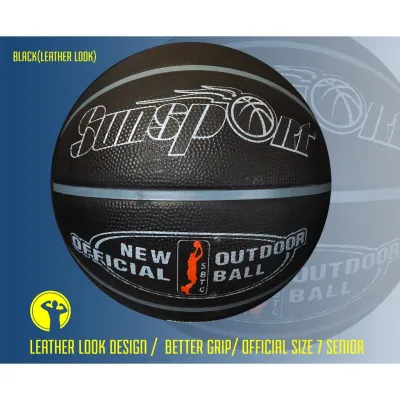
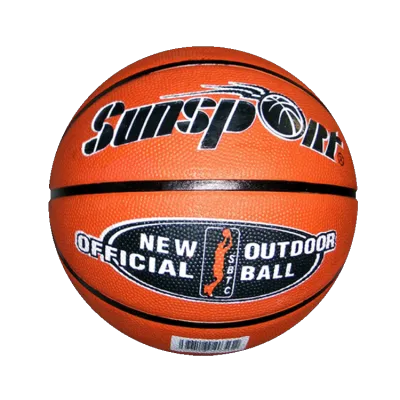
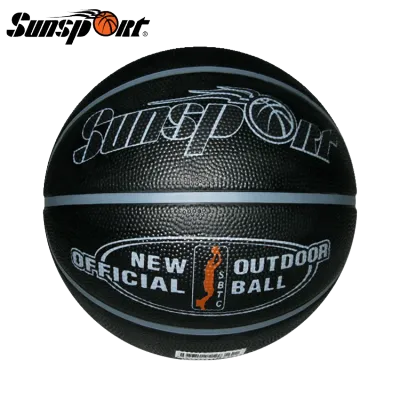
Prices are valid at publication and may change. Please refer to the product page for the latest price.
Environmental factors in the tropical climate of the Philippines further accelerate this wear and tear. High daily temperatures cause the air inside the ball to expand, putting constant pressure on the internal bladder and seams. High humidity levels and sudden tropical downpours can weaken the adhesives holding the outer panels together, leading to peeling. Additionally, fine dust and dirt from nearby unpaved roads easily settle on the court surface, coating the ball and making it slippery during play.
The fundamental construction differences between indoor and outdoor basketballs dictate how they handle these harsh conditions. Indoor balls prioritize a soft touch and consistent bounce, utilizing premium composite or genuine leather covers that absorb moisture but tear easily on rough ground. Outdoor balls, conversely, are engineered with rugged materials designed to resist abrasion, repel dust, and maintain structural integrity despite repeated impacts against metal rims and concrete backboards.
Key Features to Look for in a Sunsport Outdoor Basketball
When browsing for a Sunsport basketball ball, the cover material is the most critical factor determining its lifespan on concrete. Rubber covers are the traditional choice for outdoor play because they are highly resistant to scrapes, punctures, and moisture. They are also easier to clean and maintain their grip even when coated in fine court dust. Composite leather covers designed specifically for outdoor use offer a compromise, providing a feel closer to an indoor ball while incorporating extra synthetic layers to resist scuffing.

Another essential feature to evaluate is the channel design and pebble density of the ball. Deep channels—the black grooves running across the surface—allow players to maintain a secure grip and spin control, even when their hands are sweaty or the ball is covered in dust. High pebble density, which refers to the tiny raised bumps on the cover, increases the surface area in contact with your hands, preventing the ball from slipping during shooting and passing.
Underneath the cover, the internal construction determines whether the ball will stay round or warp over time. A high-quality outdoor ball features a nylon-wound carcass wrapped around a durable butyl bladder. The nylon windings provide structural reinforcement, ensuring the ball retains its consistent spherical shape after thousands of hard bounces on concrete. The butyl bladder is excellent at retaining air pressure, reducing the frequency of inflation needed during hot weather.
How to Evaluate Sunsport Models for Outdoor Use
When shopping at local sporting goods stores or browsing online marketplaces, you can use a practical checklist to identify the right Sunsport model. Start by carefully reading the product packaging and labels. Look for explicit designations such as “Outdoor,” “Street,” “All-Weather,” or “Deep Channel.” Manufacturers use these labels to indicate that the outer cover has been treated or constructed with materials capable of resisting rough surfaces.
Next, check the manufacturer specifications printed on the box or listed on the product page. Verify the exact material composition of the cover. If you play primarily on rough barangay concrete, a 100% rubber model is often the most practical and cost-effective choice. If you split your time between indoor wooden courts and outdoor concrete, look for a hybrid composite model that specifically lists outdoor compatibility to ensure it will not peel prematurely.
Finally, perform a physical inspection of the ball before making your purchase. If you are buying in a physical store, bounce the ball on a hard surface to check for a consistent, straight rebound without any erratic wobbling. Inspect the seams and panel edges to ensure there are no visible gaps, loose glue, or uneven stitching. Squeeze the ball slightly to assess its firmness and run your hands over the surface to evaluate the depth of the channels and the texture of the pebbles.
Maintenance and Care for Outdoor Basketballs
To maximize the lifespan of your basketball on abrasive concrete surfaces, establishing a regular maintenance routine is essential. After playing on a dusty outdoor court, wipe down the ball with a damp microfiber cloth and a small amount of mild dish soap. This removes embedded dirt, sweat, and concrete dust that can degrade the cover material over time. Avoid using harsh chemical cleaners or abrasive scrubbers, as these can strip away the protective coating of the cover.
Proper storage is equally important in protecting the ball from the intense tropical heat of the Philippines. Never leave your basketball outdoors, in direct sunlight, or inside a hot car trunk for extended periods. Extreme heat can cause the air inside the bladder to expand excessively, warping the ball’s shape or weakening the adhesive bonds of the outer panels. Store the ball in a cool, dry indoor area, preferably in a dedicated ball bag or on a storage rack.
Lastly, perform routine checks on the air pressure using a reliable pressure gauge. Outdoor play on hard concrete puts significant stress on the ball’s bladder during impacts. Keeping the ball inflated to the manufacturer’s recommended pressure range—usually printed near the inflation valve—prevents under-inflation, which ruins the bounce, and over-inflation, which increases the risk of the bladder warping or popping when hitting a metal rim.
Frequently Asked Questions (FAQ)
Can I use an indoor Sunsport basketball on outdoor concrete courts?
Using an indoor-only basketball on rough concrete courts is not recommended. The soft composite or genuine leather cover of an indoor ball is not designed to withstand the high friction of unfinished concrete. Within just a few games, the outer layer will begin to scuff, peel, and lose its grip entirely. You should stop using a ball outdoors immediately if you notice the outer panels peeling away or if the inner nylon threads become visible, as this can lead to sudden bladder failure.
How often should I check the air pressure of my outdoor basketball?
You should check the air pressure of your outdoor basketball at least once a week, or before every major game. Because temperature fluctuations in the tropical climate can cause the air inside the bladder to expand and contract, the pressure can change quickly. Maintaining the correct pressure ensures a consistent bounce and protects the internal structure of the ball from damage during hard impacts on concrete and metal rims.
What size Sunsport basketball should I buy for different age groups?
Choosing the correct ball size is important for developing proper shooting form and ball-handling skills. Size 7 is the official standard size for men and male players aged 15 and older. Size 6 is the standard size for women and female players aged 12 and older, as well as boys aged 12 to 14. Size 5 is designed for youth players aged 9 to 11, providing a smaller circumference and lighter weight that is easier for younger hands to control.

Community discussion
Share your experience or ask a question. Comments are reviewed before publication.