
Finding the right swimming ear plugs for your child is essential for keeping their pool and beach days comfortable and free from painful ear issues. The most suitable option depends on your child’s age, sensory preferences, and water activities. Generally, moldable silicone putty is the most versatile choice for younger children because it seals the outer ear without entering the sensitive ear canal. For older, active swimmers in structured lessons, pre-molded flanged silicone plugs provide a secure, reusable, and highly durable seal.
In tropical climates like the Philippines, where high humidity and warm temperatures create ideal conditions for bacteria in wet environments, keeping water out of a child’s ears is a common concern. Frequent trips to the pool, beach outings, or daily bath times can lead to trapped moisture, resulting in discomfort. By understanding the differences between materials, designs, and safety features, you can make an informed decision that protects your child’s hearing and ensures uninterrupted water fun.
Understanding When Children Need Ear Protection in Water
Not every water activity requires ear plugs, so understanding when to use them is the first step in protecting your child. For casual surface splashing or brief baths, ear protection is generally optional unless your child is prone to ear irritation. However, when activities involve prolonged submersion, underwater swimming, or diving, the risk of water entering and remaining in the ear canal increases. In these active scenarios, ear plugs act as a physical barrier to keep the delicate inner structures dry.
Products mentioned in this guide
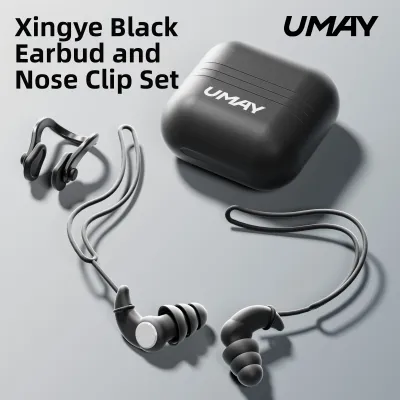
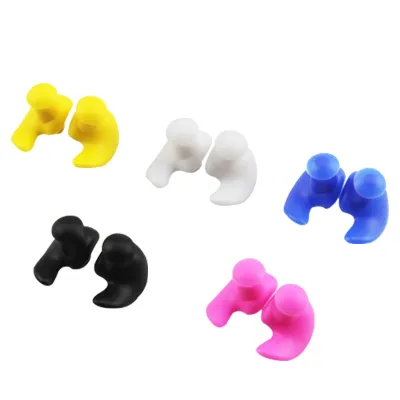
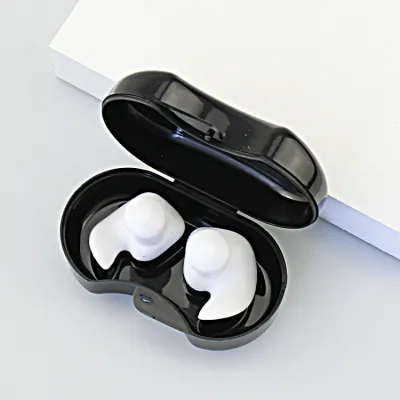
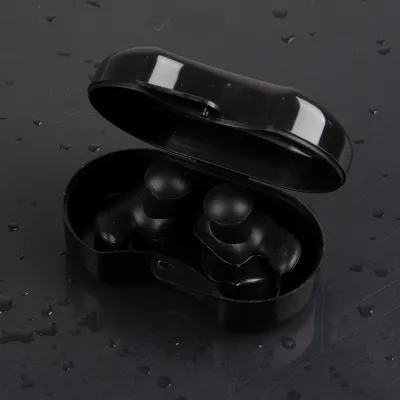
Prices are valid at publication and may change. Please refer to the product page for the latest price.
Certain medical conditions make ear protection an absolute necessity. If your child has tympanostomy tubes (ear tubes), a ruptured eardrum, or a history of recurring ear infections, keeping the middle ear dry is critical. In these cases, you must consult a pediatrician or an ear, nose, and throat (ENT) specialist before introducing any ear plugs. A medical professional can provide specific recommendations tailored to your child’s anatomical needs and ensure that the plugs will not cause further complications.
The primary physical issue ear plugs prevent is the trapping of water in the external auditory canal. When water remains trapped for extended periods, it breaks down the protective skin barrier inside the ear, allowing bacteria or fungi to multiply. This condition, commonly known as swimmer’s ear or otitis externa, causes painful inflammation and swelling. While consumer ear plugs are highly effective at reducing water entry, parents should maintain realistic expectations: no over-the-counter plug can guarantee a 100% airtight, pressurized seal during deep diving or vigorous underwater play.
Comparing Ear Plug Materials: Silicone Putty, Pre-Molded, and Wax
When shopping for kids’ ear plugs, you will primarily choose between three materials: moldable silicone putty, pre-molded silicone, and wax-based alternatives. Moldable silicone putty is highly favored for younger children because of its unique application method. Instead of entering the ear canal, this soft, clay-like material is flattened into a small disc that covers the outer opening of the ear. This design minimizes the risk of pushing debris deeper into the canal and is comfortable for children who dislike the feeling of objects inserted into their ears.

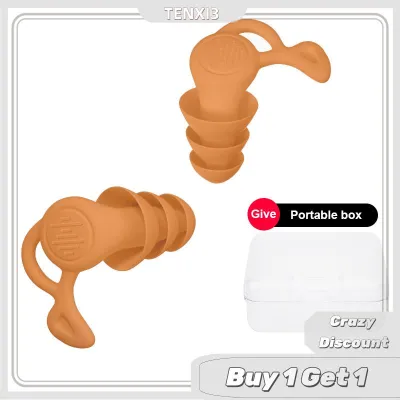
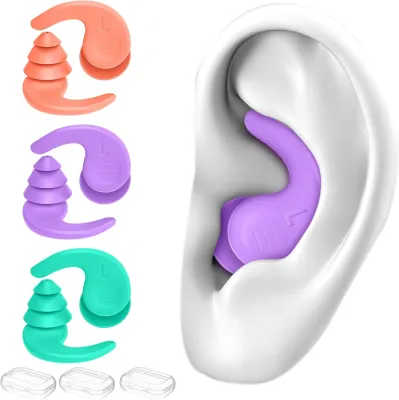
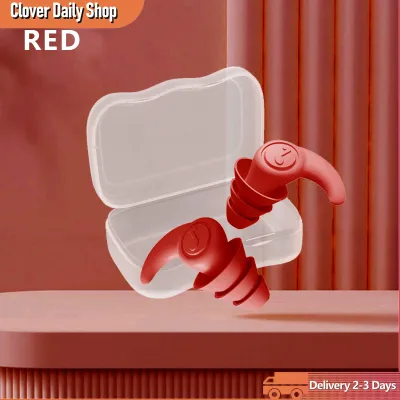
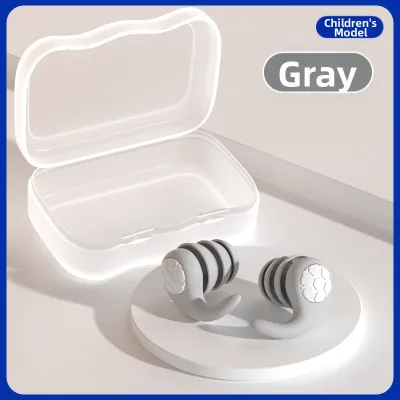
In contrast, pre-molded silicone ear plugs feature a structured, stemmed design, often with multiple soft flanges or ridges. These plugs are designed to be inserted directly into the ear canal, where the flanges flex to create a secure seal against the canal walls. Pre-molded plugs are highly durable, easily washable, and reusable over many swimming sessions. However, because they must fit inside the ear canal, they require a precise size match and may cause discomfort for children with sensitive ears or narrow canals.
Wax-based alternatives, often made from natural beeswax or paraffin mixed with cotton fibers, offer another moldable option. Similar to silicone putty, wax plugs are warmed between the fingers and shaped to cover the outer ear canal. They provide an exceptionally tight, custom-molded seal and are highly water-resistant. However, wax can become sticky in warm tropical climates, and some parents find them more difficult to clean and reuse compared to silicone options, often treating them as semi-disposable items.
Regardless of the material you choose, always check the manufacturer’s packaging for hypoallergenic claims and non-toxic certifications. Children’s skin is highly sensitive, and prolonged exposure to moisture combined with low-quality plastics or chemical additives can lead to contact dermatitis or localized irritation. Additionally, pay close attention to the manufacturer’s age restrictions, as some materials are not suitable for infants or toddlers who might mistake the colorful plugs for food.
Design Features That Keep Ear Plugs Secure During Active Play
Even high-quality ear plugs can fail if they fall out during active play, making security a major design consideration. For high-energy swimming, pool games, or beach activities, pairing ear plugs with secondary retention accessories is highly effective. Neoprene swim headbands wrap snugly around the head, covering the ears and holding moldable or pre-molded plugs firmly in place. Similarly, a tight-fitting silicone or latex swim cap can provide an extra layer of compression to prevent plugs from shifting.
The physical design of the ear plug itself also influences how well it stays put during movement. Low-profile moldable silicone discs sit flush against the outer ear, creating very little drag as the child moves through the water. This makes them less likely to be knocked loose by splashing or waves. Stemmed, pre-molded designs, while easier to insert and remove, protrude slightly from the ear and can be more easily dislodged if brushed by hands, toys, or water currents. Some stemmed models feature built-in retention cords that connect the two plugs, allowing them to hang safely around the neck if one slips out.
It is important for parents to recognize that no consumer ear plug is completely loss-proof on its own. Active children twist, turn, and dive, which naturally subjects the ear seal to shifting pressures. Regular visual checks during swim sessions are essential to ensure the plugs remain properly seated. Supervising adults should encourage children to speak up if they feel a plug loosening or if they feel water entering their ears, allowing for immediate adjustment before water exposure occurs.
Hair length and the fit of other swim gear also play a role in how well ear plugs stay in place. Long hair should be tied back securely, as loose strands can get caught under the edges of moldable silicone putty or wax, breaking the water seal and causing the plug to peel away from the skin. When using a swim cap, ensure it is pulled down fully over the ears without pinching the plugs, as uneven pressure can break the seal or cause discomfort over time.
Matching Ear Plugs to Your Child's Age and Water Activities
Selecting the right ear plugs requires matching the product to your child’s developmental stage and the specific water environment they will encounter. For structured swim lessons where clear hearing is important for following instructions, low-profile pre-molded plugs with sound-permeable membranes are ideal. For casual beach play, backyard wading pools, or daily bath times, moldable silicone putty offers the easiest application and the most comfortable, low-pressure fit for extended wear.
Sizing is a critical factor that directly impacts both safety and effectiveness. Adult-sized ear plugs should never be used for children, as they are too large to create a proper seal and can exert dangerous pressure on a child’s small ear canal. Toddlers require specialized, extra-small moldable plugs that can be customized to their tiny outer ears. Older children, generally from ages six and up, can transition to junior-sized pre-molded flanged plugs once their ear canals have widened sufficiently to accommodate them comfortably.
Before making a purchase, always verify the manufacturer’s guidelines regarding age, weight, and ear canal size. These specifications are designed to prevent choking hazards and ensure the physical dimensions of the plug match the child’s developmental stage. In the Philippine market, parents can find a wide range of options across different price tiers. Single-use or semi-disposable moldable silicone packs are highly affordable, typically ranging from ₱150 to ₱400 for multi-pair packs, making them excellent for occasional beach trips. Reusable pre-molded silicone plugs represent a higher upfront investment, often costing between ₱300 and ₱800 per pair, but they offer superior long-term cost-effectiveness for children enrolled in year-round swim programs.
Safe Insertion, Cleaning, and Maintenance Routines
Proper hygiene and handling are vital to ensure that swimming ear plugs protect your child’s ears without causing secondary issues like infections or wax buildup. When inserting pre-molded plugs, gently pull the outer ear upward and backward to straighten the ear canal, then slide the plug in until a comfortable seal is formed. Never force a plug deep into the canal. For moldable silicone or wax, shape the material into a ball, place it over the clean, dry opening of the ear canal, and press gently to flatten it. Avoid shaping the putty into a cone or cylinder that enters the canal, as this can make removal difficult and dangerous.
Cleaning routines must be tailored to the specific material of the ear plugs to prevent degradation and bacterial growth. Reusable pre-molded silicone plugs should be washed thoroughly with mild soap and warm water after every use, then allowed to air dry completely in a shaded, well-ventilated area before being stored in their protective case. Moldable silicone putty, however, cannot be washed effectively; instead, wipe the surface gently with a clean, damp cloth to remove surface debris. Store moldable plugs in their original container to keep them free from dust, lint, and hair.
Parents must regularly inspect ear plugs for visible signs of wear and tear. Over time, exposure to chlorine, saltwater, and body heat will cause materials to degrade. Discard moldable silicone putty immediately if it becomes sticky, loses its elasticity, crumbles, or fails to adhere firmly to the skin. For pre-molded plugs, look for cracking, tearing of the flanges, or discoloration. If your child complains of ear discomfort, itching, or pain during or after use, stop using the plugs immediately and inspect the ear for redness or irritation.
If your child experiences persistent muffled hearing, pain, discharge, or signs of an ear infection after swimming, do not attempt to clear the ear canal yourself with cotton swabs or other tools. These actions can push water or debris deeper, potentially damaging the eardrum. Instead, keep the ears dry and consult a healthcare professional or pediatrician promptly to diagnose and treat any underlying issues safely.
Frequently Asked Questions (FAQ)
Can toddlers safely use moldable silicone ear plugs?
Yes, toddlers can safely use moldable silicone ear plugs, provided that parents strictly adhere to the manufacturer’s age limits and safety warnings. Because toddlers have very small ear canals, moldable putty is often the safest option because it sits on the outside of the ear rather than entering the canal. However, because these plugs resemble colorful clay or candy, they present a significant choking hazard if left unattended. Constant, active adult supervision is mandatory whenever a toddler is wearing ear plugs. Additionally, it is highly recommended to obtain pediatrician approval before using any ear protection on children under the age of three, especially if they have pre-existing ear conditions.
Do swimming ear plugs block out all water and noise?
No, consumer swimming ear plugs do not block out all water and noise completely. They are designed to be highly water-resistant, significantly reducing the volume of water that enters the ear canal, but they do not create an absolute, pressurized waterproof seal. Some minor moisture seepage may still occur during vigorous swimming or deep submersion. Regarding sound, while ear plugs will naturally muffle ambient noise, they do not provide total silence. The level of noise reduction varies based on the material, the quality of the fit, and how deeply the plug is seated. If noise reduction is a secondary goal—such as helping a sensory-sensitive child cope with a loud indoor pool environment—parents should check the product specifications for a specific Noise Reduction Rating (NRR) to ensure it meets their needs.

Community discussion
Share your experience or ask a question. Comments are reviewed before publication.