
Selecting the right tent cover setup in the Philippines is the difference between a comfortable outdoor experience and a damp, sleepless night. Because our tropical climate ranges from scorching coastal heat to sudden torrential downpours and chilly mountain ridges, a single standard tent setup rarely fits every scenario. To stay dry and comfortable, you must understand how to combine rainflies, groundsheets, and utility tarps. Your choice depends entirely on your specific destination, the expected wind and moisture levels, and how much weight you can comfortably carry.
Understanding Rainflies, Groundsheets, and Tarps
To build an effective shelter system, you must first understand the distinct roles of the three primary types of tent covers. Each serves a specific protective function, and using them in tandem creates a multi-layered defense against the elements.
- Rainfly: This is your primary overhead weather shield. It sits directly over the inner tent body, supported by the tent poles. A high-quality rainfly blocks rain, deflects wind, and helps retain or release heat depending on its ventilation design.
- Groundsheet (Footprint): This protective barrier lies flat on the ground directly beneath your tent floor. Its main job is to shield the thin, integrated floor of your tent from sharp rocks, twigs, and abrasive soil while preventing ground moisture from seeping upward.
- Tarp: This is a highly versatile, independent sheet of waterproof material. Unlike a fitted rainfly, a tarp can be suspended using trees, trekking poles, or dedicated tarp poles to create communal cooking areas, gear staging zones, or secondary rain barriers.
Beach Camping: Managing Sand, Sun, and Coastal Wind
Camping along the beautiful coastlines of the Philippines presents unique environmental challenges, including abrasive sand, intense solar radiation, and unpredictable sea breezes. Standard tent setups can quickly become hot, sandy, and unstable without the right auxiliary covers.
Products mentioned in this guide
![[Local stock]2*2/3*3M Thickened Durable Tent Cover Retractable tent Replacement Cover Replacement Pop Up Canopy Top Tent Outdoor Waterproof Sunscreen Tent for Car Parking Street stall Camping](https://img.lazcdn.com/g/p/2a07012f3c2259da1a13e28cad572d93.jpg_400x400q80.jpg_.webp)
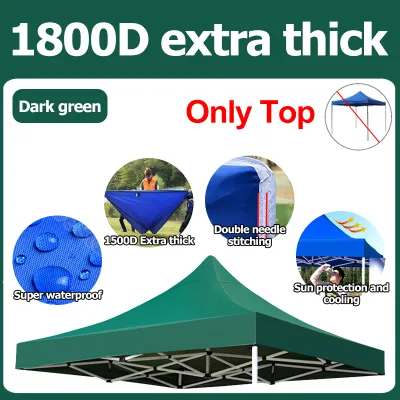
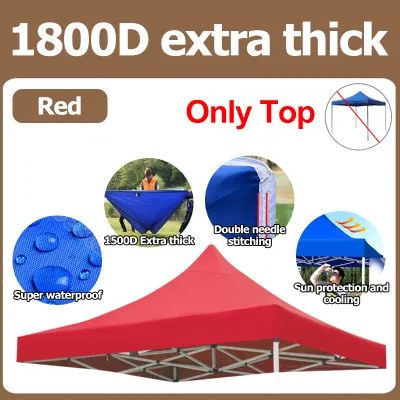
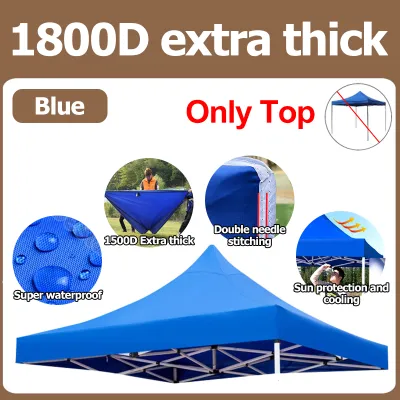
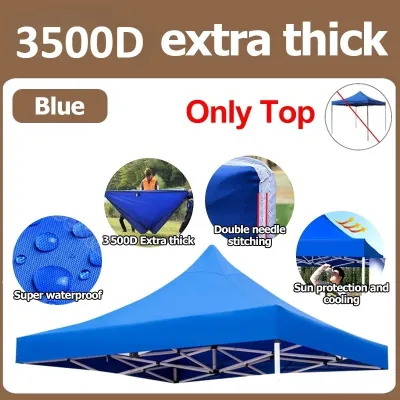

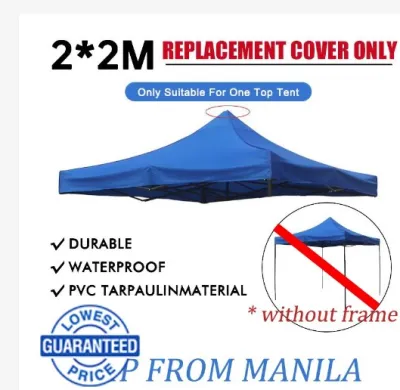
Prices are valid at publication and may change. Please refer to the product page for the latest price.

- Using a Tarp as a Sun and Wind Shield: Pitching a large utility tarp over or adjacent to your tent is highly effective for beach camping. By angling the tarp toward the prevailing sea breeze, you create a windbreak that prevents sand from blowing directly into your sleeping area. This secondary cover also blocks intense midday UV rays, keeping your tent interior significantly cooler.
- Managing Sand with a Groundsheet: Placing a groundsheet that extends slightly beyond your tent's entrance creates a clean vestibule zone. This staging area allows you to kick off sandy footwear before stepping inside, keeping your sleeping quarters clean and comfortable.
- Checking Specifications for Coastal Use: When selecting a tent cover for the beach, look for materials with clear UV-resistance ratings to prevent premature fabric degradation. Ensure the cover features reinforced tie-out points and heavy-duty grommets that can withstand steady, high-velocity coastal winds without tearing.
Mountain Trekking: Balancing Pack Weight and Weather Shifts
High-altitude trails in the Philippines, such as those in the Cordillera region, demand gear that balances reliable weather protection with minimal pack weight. As you ascend, temperatures drop, winds intensify, and weather shifts can occur in a matter of minutes.
- Selecting Compact Rainflies: For mountain trekking, opt for a lightweight, full-coverage rainfly that extends close to the ground. This design prevents cold mountain drafts from blowing under the fly and through the mesh of your inner tent, helping you maintain a stable interior temperature.
- Using Minimal Groundsheets: To keep your pack light, choose a lightweight, custom-fit footprint rather than a heavy-duty tarp. This minimal barrier is still tough enough to protect your tent floor from sharp volcanic rocks, roots, and rough clay soils common on mountain trails.
- Evaluating Durability and Weight Trade-offs: Ultralight tent covers often utilize thin nylon or polyester fabrics coated with silicone or polyurethane. While these materials pack down incredibly small, they require careful handling and pitching to avoid punctures on rugged terrain. Assess your trail difficulty and packing capacity to decide if saving a few grams is worth the slight reduction in puncture resistance.
Rainy Season Trips: Handling Heavy Downpours and Ground Moisture
The southwest monsoon and sudden tropical depressions can turn a camping trip into a severe test of your gear’s waterproofing. Managing heavy downpours and saturated ground requires precise configuration of your tent covers to prevent water ingress.
- Optimizing Rainfly Tension and Spacing: Your rainfly must be pitched tightly using guylines so that it does not touch the inner tent walls. If the wet fly contacts the inner mesh or fabric, water can transfer directly into your sleeping space through capillary action. Proper tension also facilitates airflow, which is crucial for reducing interior condensation in humid tropical environments.
- Sizing the Groundsheet Correctly: A common mistake is using a groundsheet that is larger than the bottom of the tent. If any part of the groundsheet extends beyond the tent walls, it will catch rainwater running off the rainfly and channel it directly underneath your tent, creating a pool of water beneath your sleeping pad. Always tuck the edges of the groundsheet slightly inward under the tent floor.
- Inspecting Seams and Coatings: Before heading out into wet weather, inspect the interior seams of your rainfly and groundsheet. Look for peeling, cracking, or flaking seam tape. Check the polyurethane coating on the underside of the fabric; if it feels sticky or has a sweet, musty odor, the waterproofing may be degrading and require re-treatment.
Verifying Gear Fit and Condition Before Your Trip
A tent cover system is only as good as its fit and physical condition. Discovering a missing guyline or a torn grommet at a remote campsite can compromise your entire shelter.
- Matching Dimensions to Your Tent: Ensure your groundsheet matches the exact footprint of your tent model. If you are using a generic tarp as a footprint, fold it so that it sits roughly two to three inches inside the perimeter of the tent floor to prevent water collection.
- Inspecting Hardware and Attachment Points: Examine all grommets, plastic buckles, and guyline tensioners. Look for signs of stress, cracking, or rust on metal components. Replace frayed guylines with high-visibility cord to prevent tripping hazards around your campsite at night.
- Consulting Manufacturer Care Guidelines: Always refer to the care labels or official documentation provided by your gear manufacturer. Different fabrics, such as silicone-coated nylon (silnylon) versus polyurethane-coated polyester, require specific cleaning agents and storage methods to maintain their waterproof integrity over time.
Deciding Between Versatile and Specialized Gear
As you gain more camping experience, you must decide whether a single, versatile setup is sufficient or if specialized covers are necessary for your favorite environments.
- Assessing the Limits of Basic Gear: A standard, budget-friendly tent package often comes with a minimal rainfly that only covers the top mesh portion of the tent. While this is perfectly fine for dry, backyard camping, it offers very little protection against wind-driven rain or cold mountain drafts.
- Using Tarps as Multi-functional Tools: A high-quality, independent utility tarp is one of the most versatile investments you can make. It can serve as an emergency footprint, a communal kitchen canopy, or an extra layer of rain protection pitched high above a small tent. However, a loose tarp is heavier and bulkier than a dedicated, model-specific footprint.
- Planning Your Gear Upgrades: If you primarily camp on sunny beaches, prioritize a lightweight tarp with high UV protection. If you transition to high-altitude trekking or rainy-season adventures, invest in a tent with a full-coverage, wind-resistant rainfly and a durable, custom-fit footprint to ensure long-term comfort and safety.
Frequently Asked Questions (FAQ)
Do I need a groundsheet if my tent already has a waterproof floor?
Yes, using a groundsheet is highly recommended even if your tent floor is rated as waterproof. While the built-in floor keeps water out, it is vulnerable to friction, sharp pebbles, and twigs that can cause micro-punctures over time. A groundsheet acts as a sacrificial barrier, absorbing the friction and dirt from the ground, which significantly extends the lifespan of your expensive tent. Additionally, it keeps the bottom of your tent clean, making packing up much easier.
How do I properly dry and store a wet tent cover after a rainy trip?
To prevent mold, mildew, and fabric degradation, you must dry your tent covers completely before storing them. Hang the rainfly, groundsheet, and tarps in a shaded, well-ventilated outdoor area or indoors under a fan. Avoid placing them in direct, intense sunlight, as prolonged UV exposure can weaken the synthetic fibers and damage the waterproof coatings. Pay close attention to the seams and corners where moisture tends to linger, and store the gear loosely in a breathable storage bag rather than a tight stuff sack.

Community discussion
Share your experience or ask a question. Comments are reviewed before publication.