
To stay dry and comfortable during the intense tropical downpours and high humidity of the Philippine rainy season, camping tents must feature a full-coverage rainfly, a high hydrostatic head rating, a robust bathtub floor, and exceptional double-wall ventilation. Standard fair-weather shelters often fail under these demanding conditions because they cannot handle the combination of wind-driven rain and heavy internal condensation. Choosing the right shelter requires looking past basic aesthetics to verify specific technical ratings, structural designs, and ventilation pathways that keep water out while letting humid air escape.
Understanding Tropical Rain and Humidity Challenges
Tropical weather during the monsoon season brings intense, multi-directional rainfall that tests every seam of an outdoor shelter. Unlike gentle showers, wind-driven rain can force water upward under short rainflies and through tiny needle holes in unsealed seams. Campers must prepare for sustained downpours that can last for hours or even days, putting continuous pressure on the tent’s outer shell.
High ambient humidity presents a secondary, internal challenge that is often overlooked. When warm, moisture-laden air inside the tent meets a rainfly cooled by external downpours, condensation forms rapidly on the inner walls. Without proper design, this moisture drips onto sleeping gear, creating a damp environment even if the outer shell remains completely waterproof.
Products mentioned in this guide
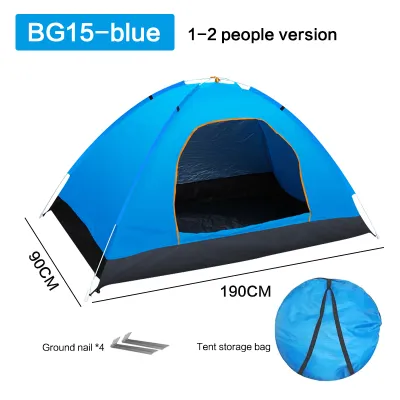

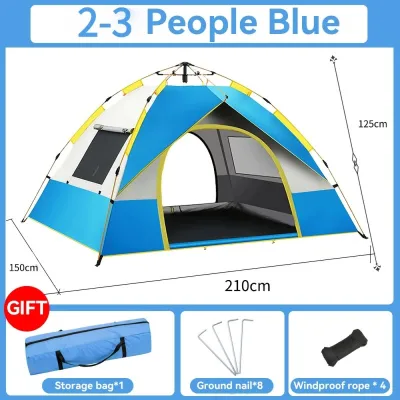
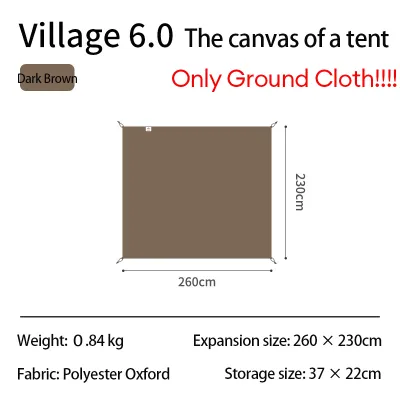
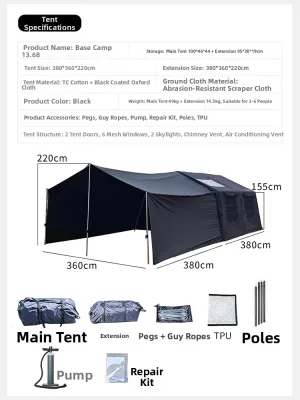
Prices are valid at publication and may change. Please refer to the product page for the latest price.
Saturated soil conditions also threaten the tent from below. Heavy downpours quickly saturate the ground, leading to surface runoff and pooling water that can seep through weak floor fabrics and seams under the weight of campers and their gear. Understanding these environmental pressures is the first step in selecting a tent that can truly withstand the elements.
Critical Waterproofing Specifications to Check
When evaluating tents for wet-weather performance, the hydrostatic head rating is a primary specification to check on product labels. This rating, measured in millimeters, indicates the height of a water column the fabric can support before moisture begins to penetrate. For heavy tropical downpours, look for rainfly ratings of at least 1,500mm to 3,000mm, which provide a reliable barrier against wind-driven rain.

The tent floor requires an even higher hydrostatic head rating than the rainfly. Because campers exert localized pressure when sitting, kneeling, or sleeping, water can be forced through the fabric if the rating is too low. Selecting a floor rating of 3,000mm to 5,000mm helps ensure that ground moisture remains outside, even when pressure is applied to the floor.
Factory-sealed seams are non-negotiable for rainy season camping. Check that the manufacturer has applied waterproof seam tape over all stitched joints on the rainfly and floor. Unsealed seams act as pathways for water intrusion under the pressure of sustained rainfall.
Zippers and entry points require dedicated protection to prevent leaks. Look for heavy-duty zippers covered by wide storm flaps that shed water away from the opening, or specialized water-resistant zippers that seal tightly against moisture.
The design of the rainfly itself dictates how well the tent handles splashing and wind-blown rain. A full-coverage rainfly that extends all the way to the ground offers the best protection, shielding the inner tent body completely. Shorter, partial-coverage rainflies leave the lower walls of the inner tent exposed to splashing mud and wind-driven water, increasing the risk of leaks.
Floor and Base Design for Wet Ground Conditions
A bathtub floor design is essential for preventing ground runoff from entering the sleeping area. This construction uses a continuous piece of waterproof fabric that wraps several inches up the sides of the tent before meeting the wall mesh or fabric. This design ensures that minor pooling and splashing water cannot seep through the lower seams.
Verify the height of the bathtub floor’s upward-turning edges, aiming for a rise of at least several inches above the ground level. This height provides a reliable barrier against sudden pooling during intense downpours.
The durability of the floor material is measured in denier, which indicates fiber thickness. A higher denier rating, such as 70D or 150D, indicates a thicker, more puncture-resistant fabric that can withstand friction against wet rocks, roots, and rough ground without developing micro-tears.
Using an additional footprint or ground tarp protects the tent floor from abrasion and adds an extra layer of waterproofing. However, the footprint must be tucked completely under the tent floor so that it is slightly smaller than the tent’s actual base. If any part of the footprint extends beyond the rainfly, it will catch rainwater and channel it directly underneath the tent, creating a pool of trapped water.
Ventilation Strategies to Manage High Humidity
Managing internal humidity requires a deliberate ventilation strategy to prevent condensation buildup. A double-wall tent construction is highly effective for this purpose, as it separates the inner mesh sleeping compartment from the outer waterproof rainfly. Any condensation that forms on the underside of the rainfly runs down the fabric to the ground, rather than dripping onto the occupants.
Evaluate the placement of mesh panels on the inner tent body to ensure adequate airflow. Tents designed for tropical climates feature extensive mesh on the upper walls and doors, allowing warm air and moisture from breath to escape easily into the space between the inner tent and the rainfly.
Look for rainflies equipped with adjustable vents, particularly high-low venting systems that encourage natural cross-ventilation. High vents allow hot, humid air to escape from the top, while low vents draw cooler air in from the bottom, maintaining a continuous cycle of fresh air even when the rainfly is fully zipped shut.
When pitching the tent, pull the rainfly taut using guy lines to maximize the gap between the inner wall and the outer fly. This gap prevents the two layers from touching, which would allow condensation to transfer directly to the inner tent, while also ensuring that air can flow freely between the layers to dry out moisture.
Structural Stability and Wind Resistance
Monsoon rains are frequently accompanied by strong wind gusts that can deform or collapse weak tent structures. Evaluating the pole material is critical for ensuring structural integrity. Aluminum poles are generally preferred over fiberglass for rainy season camping, as they offer superior flexibility, strength-to-weight ratio, and resistance to shattering under sudden wind loads.
Secure anchoring is vital when pitching on soft, saturated soil. Ensure the tent package includes robust guy lines with adjustable tensioners, which allow you to secure the rainfly tightly to the ground. Heavy-duty stakes, such as Y-beam or spiral designs, provide better holding power in wet, muddy ground than thin wire pegs.
The aerodynamic shape of the tent plays a significant role in how it distributes wind load. Dome and geodesic designs feature curved profiles and intersecting poles that shed wind from any direction, reducing stress on individual components. In contrast, tall, vertical-walled cabin-style tents catch the wind like sails, making them more vulnerable to structural damage during storms.
Pre-Trip Inspection and Maintenance Checklist
Before heading out into the rainy season, conducting a thorough pre-trip inspection of your shelter is essential to avoid unexpected failures in the field. Spread the tent out in a dry, well-lit area to inspect the waterproof coatings on the rainfly and floor. Look for signs of polyurethane degradation, such as peeling, flaking, or a sticky texture, which indicate that the waterproofing layer is breaking down and needs reapplication or replacement.
Test all zippers to ensure they glide smoothly without catching or separating under tension. Clean any dirt or sand from the zipper teeth using a soft brush, and apply a manufacturer-recommended zipper lubricant or wax to maintain smooth operation and prevent corrosion from exposure to moisture.
Examine the seam tape along all stitched joints, looking for areas where the tape is cracking, lifting, or peeling away from the fabric. If you notice widespread seam tape failure, it is best to stop and consult the manufacturer regarding warranty options or professional repair services, as DIY seam sealing may not provide a reliable seal across large areas of degradation.
Frequently Asked Questions (FAQ)
Can I use a standard summer tent for rainy season camping?
While a standard summer tent with minimal rainfly coverage may suffice during light, vertical showers, it is generally unsafe and uncomfortable for the heavy, wind-driven downpours of the rainy season. These tents often lack the high hydrostatic head ratings, full-coverage rainflies, and robust bathtub floors needed to prevent water intrusion. If you must adapt a summer tent, you should suspend a large, heavy-duty tarp completely over the tent to act as an auxiliary rainfly, ensuring the tarp extends well past the tent’s footprint to shed water away from the base.
How do I prevent water from pooling under my tent during heavy rain?
Preventing water from pooling under your tent starts with careful campsite selection. Avoid pitching in depressions, dry riverbeds, or at the base of slopes where runoff naturally collects. Look for slightly elevated, well-draining ground, and clear away debris that could trap water. Additionally, ensure your footprint or ground tarp is folded completely underneath the tent floor so it does not catch and channel running water directly beneath your sleeping area.

Community discussion
Share your experience or ask a question. Comments are reviewed before publication.