
Selecting the right tent pegs for your camping trip in the Philippines depends entirely on the specific terrain of your destination. For coastal beaches and loose volcanic ash, wide U-shaped sand pegs provide the necessary surface area to resist high winds. For hard-packed mountain trails and rocky ridges, thin, high-strength steel or titanium nail pegs are required to penetrate the ground without bending. For standard grassy campsites and provincial campgrounds, versatile Y-beam or V-shaped aluminum pegs offer a reliable balance of weight and holding power. Matching your equipment to the ground conditions ensures your shelter remains secure against sudden tropical gusts and heavy downpours.
Assessing Ground Conditions and Peg Mechanics
Understanding how different soils interact with your camping gear is the first step toward a secure pitch. In the Philippines, outdoor enthusiasts generally encounter three distinct ground profiles: loose coastal sand, highly compacted or rocky mountain soils, and standard grassy turf found in established inland campsites. Each of these environments demands a different mechanical response from your tent pegs to establish a stable anchor.
The holding power of a peg in loose substrates relies heavily on surface area and friction. When you drive a peg into soft sand or loose volcanic soil, the material offers very little resistance. To prevent the peg from pulling out under the tension of your tent’s guylines, you need a wide profile that traps as much soil as possible, creating a physical barrier against movement.
Products mentioned in this guide
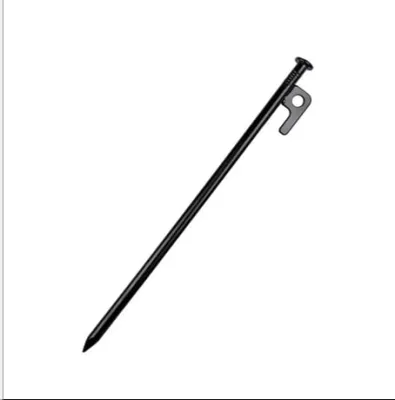
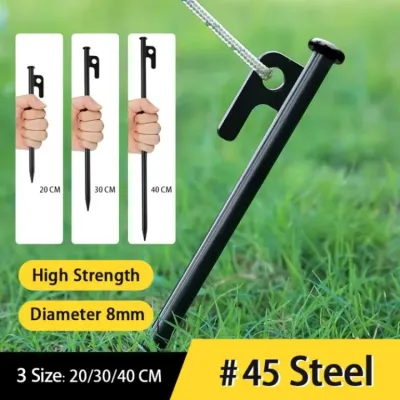
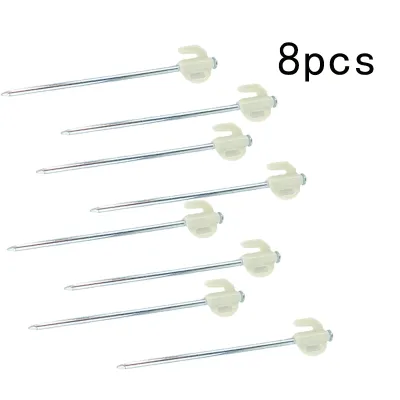
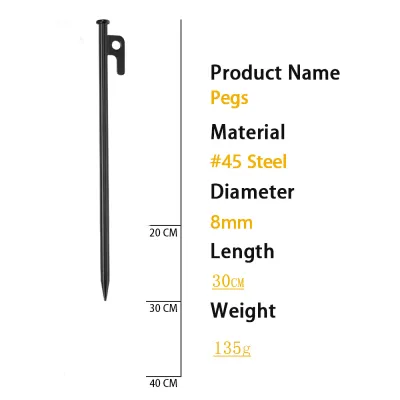
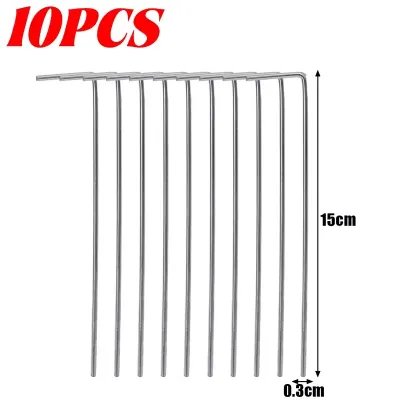
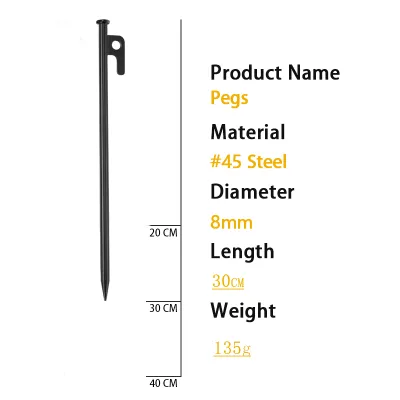
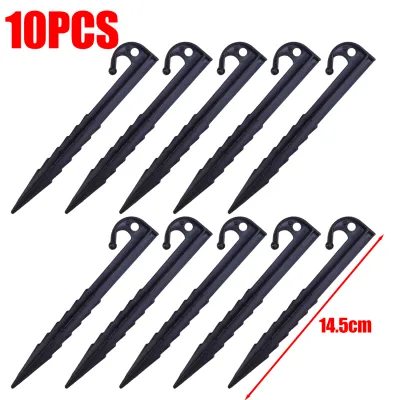
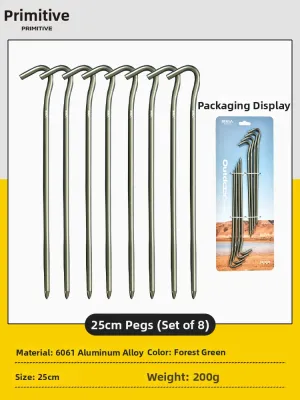
Prices are valid at publication and may change. Please refer to the product page for the latest price.
Conversely, hard and rocky substrates require high material strength and narrow tip geometry. When pitching on a mountain ridge, the primary challenge is penetrating the ground without damaging the peg. Here, a thin, solid cross-section reduces the force required for insertion, while impact-resistant materials prevent the peg from bending or blunting when striking buried stones.
Before setting up your tent, perform a quick visual and tactile assessment of the ground. Step on the soil or push a thin stick into the earth to gauge its resistance. If the stick slides in with no effort, you are dealing with loose soil that requires high-surface-area anchors. If the ground is impenetrable by foot pressure, prepare for hard-ground techniques and high-durability pegs.
Anchoring in Sandy Beaches and Loose Soil
Coastal camping destinations, such as the sandy coves of Zambales or the beaches of Romblon, present a unique challenge due to the low-friction nature of dry sand. Standard wire pegs will slip out of these substrates under the slightest breeze. To secure your shelter in these environments, prioritize specialized sand pegs, which typically feature a wide, U-shaped profile or a concave design with multiple holes along the spine. These holes allow wet sand to pack inside the peg, significantly increasing its resistance to pulling forces.

When choosing sand pegs, consider the trade-offs between length, width, and packing weight. Longer pegs, often measuring 30 centimeters or more, provide deeper anchorage where the sand is wetter and more compacted. However, these larger profiles add bulk and weight to your pack, which is a key consideration if you are hiking to a remote beach rather than car camping.
Proper insertion technique is critical for maximizing grip in shifting sand. Drive the peg into the ground at a 45-degree angle pointing away from the tent. Push it down until the head is flush with the sand surface to minimize leverage from the guyline. In extremely dry, powdery sand where vertical pegging fails, you can use the “deadman” anchoring technique. Tie the guyline around the center of the peg, bury it horizontally at least 30 centimeters deep, and pack the sand firmly on top.
Always utilize guyline tensioners to adjust for shifting conditions, as coastal winds can cause the tent to sway and loosen the anchors over time. Before driving any peg, clear away loose surface dry sand to reach the damp, more cohesive layers beneath, and check for buried driftwood or shells that might block insertion.
Securing Tents on Rocky Mountain Trails and Hard Ground
High-altitude trails and rocky campsites, such as those found on Mt. Pulag or Mt. Apo, require pegs that prioritize structural integrity over surface area. In these high-resistance environments, thin nail-style pegs made from heavy-duty steel, titanium, or high-grade 7075 aluminum are the most reliable choices. These pegs feature a slim, cylindrical profile and a sharp, reinforced tip designed to find and slip through small gaps between rocks.
Ultralight, thin-walled aluminum pegs often fail in rocky terrain, bending or snapping when struck with a mallet or rock. If you are backpacking and need to save weight, titanium nail pegs offer an excellent strength-to-weight ratio, resisting deformation under heavy impact. For car camping where weight is less of a concern, solid steel stakes provide high durability for driving into hard-packed clay and gravel.
To insert pegs into rocky ground safely, first clear away loose surface stones to expose the true soil level. Gently tap the peg with a mallet or a flat stone, feeling for resistance. If you hit a solid rock, do not force the peg down; instead, pull it out slightly, tilt the angle, and search for a micro-fissure or a softer pocket of soil. Driving a peg straight into a solid rock will blunt the tip or bend the shaft, ruining the gear.
There are times when the ground is simply too rocky or solid to accept any peg. In these situations, adapt your strategy by using alternative anchoring methods. Wrap your guylines around large, heavy rocks and stack additional stones on top to secure them. Alternatively, tie your lines to sturdy tree roots, trunks, or heavy logs nearby, ensuring your tent remains stable without relying on ground penetration.
Pitching on Grassy Campsites and Standard Soil
Established provincial campgrounds, farm campsites, and grassy clearings generally feature moderately compacted soil mixed with organic matter. These standard conditions allow for the use of highly versatile, multi-purpose peg profiles. Y-beam or V-shaped aluminum pegs are excellent choices here, offering a strong balance of holding power, lightweight packability, and resistance to bending.
When pitching on grassy turf, be mindful of underground root networks and dense clay layers. Roots can block straight peg insertion, while wet clay can create a strong suction effect that makes peg removal difficult. If you encounter a root, shift the peg placement slightly rather than forcing it through, which can damage both the tree’s root system and your equipment.
Tropical humidity and frequent rains mean your pegs will often be exposed to moisture and mud. After extracting your pegs, wipe away clinging soil and grass with a damp cloth, and dry them thoroughly before packing them away. This simple maintenance step prevents rust on steel pegs and limits corrosion on aluminum alloys, extending the lifespan of your gear.
For a standard weekend camping trip in mixed terrain, a reliable baseline strategy is to pack a set of eight to twelve Y-beam aluminum pegs measuring around 18 to 20 centimeters in length. This quantity covers the main corners of your tent and the primary guylines, providing sufficient stability in typical weather conditions.
Building a Cross-Scenario Peg Kit for Philippine Trips
Because outdoor destinations in the Philippines vary widely—from coastal beaches to rugged mountain peaks—relying on a single, uniform set of tent pegs can limit your camping options. Building a modular, cross-scenario peg kit allows you to adapt your shelter’s stability to whatever terrain your itinerary demands.
For car campers, carrying a mixed kit containing a few heavy-duty steel stakes, several versatile Y-beam pegs, and a set of wide sand pegs is highly practical. The extra weight is negligible in a vehicle, and you will always have the right tool for the ground. Backpackers, however, must be more selective. If you are hiking a trail that transitions from a sandy riverbed to a rocky ridge, pack a minimalist, hybrid set consisting of lightweight titanium nail pegs and a couple of lightweight fabric sand anchors or multi-use snow/sand pegs.
Before every trip, inspect your peg kit thoroughly. Check for bent shafts, blunted tips, or signs of metal fatigue, such as hairline cracks near the head. Replace any compromised pegs immediately, as a single failing anchor can compromise your entire tent structure during an unexpected tropical storm.
Frequently Asked Questions (FAQ)
Can I use the same tent pegs for both beach and mountain camping?
Using a single peg design for both beach and mountain camping is generally not recommended because the physical requirements of these terrains are completely opposite. A wide sand peg will not penetrate rocky mountain soil, while a thin nail peg will pull out of loose beach sand instantly. For casual campers who visit various terrains but want to minimize gear, a medium-width V-shaped peg offers a modest compromise, though it will still require alternative anchoring methods like rock stacking in extreme sand or very hard rock.
How do I safely remove stuck tent pegs from hard or clay-heavy ground?
To safely extract a stuck peg from compacted clay or hard ground, avoid pulling straight up with brute force, which can bend the peg or injure your back. Instead, use another peg, a peg puller tool, or a loop of cord slipped under the hook of the stuck peg. Gently twist the peg back and forth to break the soil’s suction and widen the hole before pulling upward at the same angle it was driven.

Community discussion
Share your experience or ask a question. Comments are reviewed before publication.