
A trapal with stand (tarp shelter with support poles) is an indispensable piece of gear for camping in the Philippines, where weather conditions can shift rapidly from scorching tropical sun to sudden, heavy downpours. However, there is no single, universal setup that excels in every environment. A heavy steel-framed canopy that provides rock-solid shade in a backyard will quickly become an exhausting burden if you have to carry it up a mountain trail. Conversely, an ultra-lightweight backpacking tarp might flap uncontrollably or fail entirely when subjected to strong coastal winds at a beach campsite.
Selecting the ideal configuration requires a clear understanding of how different materials, frame designs, and anchoring methods perform under specific environmental pressures. By matching your gear to the unique demands of your destination, you can ensure a safe, dry, and comfortable outdoor experience.
Key Features to Evaluate in a Trapal With Stand
Before matching a shelter to a specific environment, you must evaluate the core components of the system: the fabric, the support frame, and the connection hardware.
Products mentioned in this guide
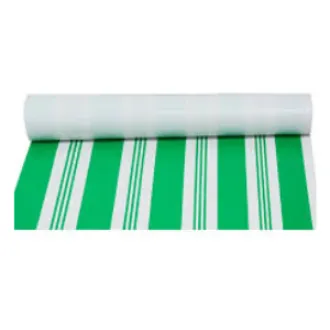
Prices are valid at publication and may change. Please refer to the product page for the latest price.
When inspecting the trapal fabric, look closely at the manufacturer’s specifications for material type, thickness, and waterproof ratings. Common materials include polyethylene (PE), polyvinyl chloride (PVC), and coated polyester or nylon. PE is affordable and widely available but tends to be bulky and stiff. PVC offers exceptional waterproofing and durability but is heavy and difficult to pack. For most camping scenarios, polyurethane-coated (PU) polyester or nylon ripstop fabrics offer the best balance of packability, tear resistance, and water protection. Check the product label for a hydrostatic head (HH) rating; a rating of 1,500mm to 3,000mm is generally recommended to withstand heavy tropical rains.
The frame material determines both the weight of your pack and the structural integrity of the shelter. Aluminum poles are highly favored for their lightweight properties and resistance to rust, making them the go-to choice for mobile campers. However, they can bend under extreme loads. Steel poles offer unmatched rigidity and wind resistance, making them ideal for semi-permanent setups or car camping, though they require protective coatings to prevent rust in humid environments.
Finally, examine the joints, hinges, and grommets. High-quality setups feature reinforced brass or stainless steel grommets, double-stitched webbing loops at tension points, and durable nylon or metal pole connectors. Avoid brittle plastic joints, which are prone to cracking under high tension or heat exposure.
Beach Camping: Managing Wind and Sand
Beach camping in coastal areas presents a unique combination of high wind exposure, loose ground, and corrosive salt air. To keep your trapal secure on the shoreline, you must adapt both your pitching technique and your gear selection.

Wind resistance is heavily influenced by the aerodynamic profile of your setup. Avoid high, boxy configurations that act like sails. Instead, pitch your trapal low to the ground using an A-frame or a lean-to configuration, angling the closed side of the shelter directly into the prevailing sea breeze. This allows the wind to flow over the structure rather than catching underneath it.
Standard tent pegs are useless in loose sand, as they pull out easily under the slightest tension. You must use specialized sand stakes, which are wider, longer, and often feature a U-shaped profile to grip the shifting grains. Alternatively, employ the “deadman anchor” technique: tie your guylines to heavy driftwood, large rocks, or tough bags filled with wet sand, and bury them at least thirty centimeters deep in the ground.
The tropical sun and salty air also cause rapid material degradation. Look for a trapal with a silver or black UV-resistant inner coating (often labeled as UPF 50+) to block intense solar radiation and keep the shaded area cooler. Because salt accelerates corrosion, verify that your metal poles have an anodized or powder-coated finish. Always rinse all poles and connectors with fresh water and dry them thoroughly after your trip to prevent rust.
Mountain and Forest Camping: Handling Rain and Rough Terrain
In high-altitude forests and mountain campsites, the primary challenges are managing heavy, pooling rainwater and establishing a stable pitch on uneven, rocky ground.
To prevent water from pooling on top of your shelter—which can quickly bend poles and tear fabric—you must maintain a steep water runoff slope. Pitch your trapal at an angle of at least 30 to 45 degrees. This ensures that heavy tropical downpours drain off the sides immediately.
High-tension setups are essential in mountain environments to keep the fabric taut against gusty winds and heavy rain. Before setting out, inspect the fabric’s reinforcement patches around the grommets and tie-out loops. If these areas lack extra layers of fabric or heavy-duty stitching, the high tension required for a storm pitch can easily cause the metal rings to rip out of the material.
Uneven terrain makes fixed-length poles highly impractical. Opt for adjustable or telescopic poles, which allow you to customize the height of each corner individually. This flexibility enables you to level the shelter on slopes, avoid large rocks or tree roots, and maintain balanced tension across the entire structure.
Backyard and Car Camping: Optimizing Space and Comfort
When portability is not a priority, such as during backyard gatherings or car camping trips where gear is transported directly in a vehicle, you can focus entirely on maximizing livable space and comfort.
For these scenarios, prioritize headroom and footprint dimensions. A large, high-clearance frame (standing 2 meters or taller) allows campers to walk upright, set up full-sized camping tables, and store bulky gear without feeling cramped. Heavy-duty steel frames and thick PVC or canvas tarps are excellent choices here, as their weight is not a drawback and they offer superior shade density and long-term durability.
Look for trapal systems that support modular attachments. Sidewalls, mesh screens, and privacy panels are incredibly useful for blocking low-angle afternoon sun, providing windbreaks, and keeping out mosquitoes and other insects, which are common pests in warm, humid environments.
Cross-Scenario Compatibility and Trade-offs
If you enjoy a mix of beach, mountain, and backyard camping, you must decide whether to invest in multiple specialized setups or build a single, versatile modular system.
A highly adaptable system typically consists of a medium-weight, ripstop polyester trapal paired with adjustable telescopic aluminum poles. Telescopic poles allow you to drop the height to combat beach winds, raise it for backyard comfort, or adjust individual legs for mountain slopes. Utilizing adjustable guyline tensioners and flexible bungee cords allows you to adapt your pitch to various natural anchors, such as trees or boulders, when poles cannot be easily staked down.
However, a universal setup involves clear trade-offs. It will not be as light or packable as a dedicated backpacking tarp, nor will it offer the absolute stability of a heavy, steel-framed backyard canopy. If you budget for a single system, prioritize high-quality adjustable poles and a durable, mid-weight tarp sheet, as these components offer the greatest flexibility across different terrains.
Essential Pre-Trip Inspections and Safe Setup
A successful camping trip relies on proactive gear maintenance and safe setup practices. Equipment cannot replace careful preparation and sound judgment.
Before leaving home, perform a complete pre-departure inspection. Lay out the trapal fabric to check for pinholes, thinning areas, or fraying seams, and apply a seam sealer if you notice any signs of wear. Assemble the frame completely to ensure no poles are bent, cracked, or rusted, and verify that all push-button locks and connectors function smoothly.
During setup, tension your guylines evenly. Uneven tension concentrates stress on a single corner, which can lead to bent poles or torn grommets. Avoid over-tightening, as fabrics naturally shrink slightly when wet and cold, which increases structural stress.
Finally, recognize the physical limits of your equipment. No recreational trapal with a stand is designed to withstand extreme weather events, such as tropical depressions or severe storms. If you experience sustained high winds, lightning, or uncontrollable water pooling, do not attempt to ride out the storm under the shelter. Safely dismantle the setup before conditions deteriorate, and seek secure, permanent shelter.

Community discussion
Share your experience or ask a question. Comments are reviewed before publication.