
Selecting a volleyball ball for kids girl requires moving past a simple, one-size-fits-all approach. While age is a helpful starting point, physical development, hand span, and local league requirements dictate the final choice. Choosing the wrong ball can lead to poor habits, frustration, or even joint discomfort.
Standard volleyballs generally come in three distinct sizes: Size 3 (mini), Size 4 (youth), and Size 5 (official). Size 3 is designed for early childhood play, typically for children aged 8 and under. Size 4 serves as the transitional model for players aged 9 to 13. Size 5 is the standard adult size used by high school, collegiate, and professional leagues, ideal for players aged 14 and older.
However, parents should treat these age groups as baseline recommendations. A taller 11-year-old with advanced coordination might transition to a Size 5 sooner, whereas a smaller 13-year-old might benefit from staying with a Size 4 to protect her wrists and perfect her form. Always verify the specific rules of her local school sports association before making a final purchase.
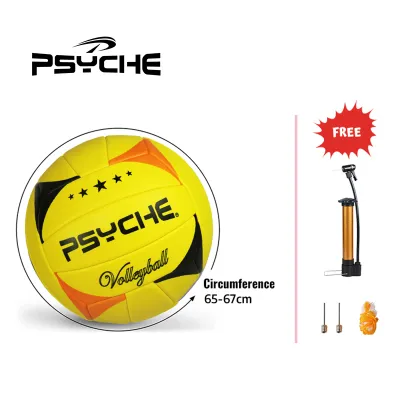
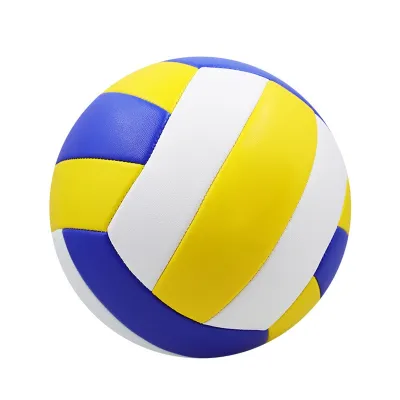
Products mentioned in this guide

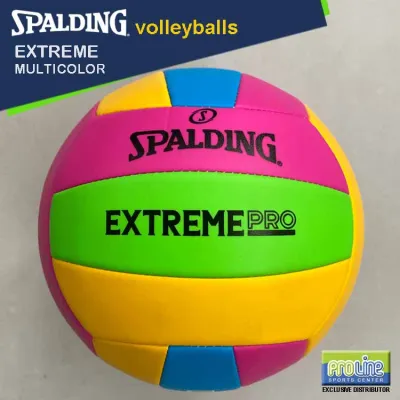
Prices are valid at publication and may change. Please refer to the product page for the latest price.
How to Tell if the Current Volleyball is the Wrong Size
Using an incorrectly sized volleyball can quietly sabotage your daughter’s athletic progress. When a ball does not match a young player’s physical frame, she will instinctively alter her biomechanics to compensate for the weight or size discrepancy. This compensation often leads to bad habits that are difficult to unlearn later.
Monitoring how your daughter interacts with the ball during backyard practice or training sessions is the best way to diagnose a mismatch. By observing her physical posture and the trajectory of her passes, you can quickly determine if her equipment is hindering her growth.
Signs the Ball is Too Large or Heavy
When a volleyball is too heavy or large for a young girl’s current physical development, the physical strain becomes immediately apparent in her posture. Watch her setting form closely; if she constantly drops her elbows below her ears or pushes the ball from her chest rather than using her fingertips above her head, the ball is likely too heavy. She may also actively avoid overhead passes altogether, preferring to bump every ball to avoid the impact on her fingers.
Physical discomfort is another clear warning sign. If she complains of aching wrists, sore fingers, or red, bruised forearms after only a few minutes of play, the ball’s weight and impact force are exceeding her joint capacity.
Technically, an oversized ball prevents proper mechanical development. If her hands cannot wrap comfortably around the ball, she will struggle to execute a clean, consistent toss for her serves. During forearm passing, an overly heavy ball will often die on her platform, forcing her to swing her arms upward to generate power rather than using her legs, which ruins her passing accuracy.
Signs the Ball is Too Small or Light
Conversely, a ball that is too small or light presents its own set of technical challenges, even if it carries a lower risk of immediate joint strain. The most common sign that a player has outgrown a lighter ball is consistent over-hitting. If she regularly sends her serves and spikes far past the baseline, she is likely applying power meant for a heavier ball to a lightweight training model.
A ball that lacks the appropriate standard weight does not provide enough physical feedback during contact. Without this resistance, she cannot develop a stable, solid forearm platform. The lightweight ball will bounce unpredictably off her arms with even the slightest gust of wind, which is a frequent challenge when practicing outdoors in tropical weather.
Furthermore, practicing with an undersized ball can warp her spatial awareness. She will get used to a smaller target, leading to frequent mishits, frame contacts, and timing issues when she eventually plays with a standard-sized ball in school or club matches.
Breaking Down the Sizes: 3, 4, and 5
Understanding the structural differences between the three primary volleyball sizes allows you to select gear that matches her developmental stage. Each size is engineered with specific weight, circumference, and air pressure standards to support progressive skill acquisition.

Size 3 (Mini): Building Early Confidence
Size 3 volleyballs, often referred to as mini or introductory balls, are specifically designed for children aged 8 and under, as well as absolute beginners with smaller hands. These balls typically feature a smaller circumference and a significantly lighter weight than standard models, making them highly approachable for young children.
The primary developmental benefit of a Size 3 ball is the reduction of fear. Young players are often intimidated by the sting of a standard volleyball hitting their arms or hands. The lightweight construction of a mini ball allows them to focus on basic hand-eye coordination, catching, and throwing without the fear of physical pain.
Using this size, young girls can safely practice the basic motions of an underhand serve toss and the foundational finger placement for setting. It builds early confidence, ensuring that their first introduction to the sport is positive and engaging.
Size 4 (Youth): Developing Proper Technique
Size 4 volleyballs are the standard transitional size, generally recommended for players aged 9 to 13. This size is specifically engineered to bridge the gap between recreational play and official competitive standards, offering a balanced middle ground in both weight and physical dimensions.
For developing athletes, a Size 4 ball provides enough weight to teach proper forearm passing angles and serving power without overloading their growing joints and muscles. It forces the player to use her legs and core to drive the ball, rather than relying solely on arm strength.
This transitional phase is critical for mastering the “bump” and the overhand serve. Because the ball is lighter than an official model, she can repeat these high-impact movements during long training sessions without experiencing the shoulder and wrist fatigue that leads to mechanical breakdown.
Size 5 (Official): Transitioning to Standard Play
Size 5 is the official, standard size used in high school, collegiate, and professional leagues worldwide. It is designed for players aged 14 and older, or younger competitive players who have physically matured and are participating in advanced, organized club tournaments.
Practicing with a Size 5 ball ensures that your daughter’s muscle memory and spatial tracking directly align with official game-day conditions. The weight and rebound characteristics of an official ball require a high level of core strength, precise timing, and established technique to control.
Transitioning to this size at the right time prevents any disconnect between practice and competition. If she plans to try out for her high school team or local varsity squads, mastering the Size 5 ball is essential, as this is the standard size mandated for all official competitive matches.
When to Upgrade: Matching the Ball to Her Growth and League Rules
While age brackets provide a convenient starting point, they should never be the sole factor in your decision to purchase a new volleyball. Knowing when to transition your daughter to a larger or heavier ball requires a careful evaluation of her physical growth, technical skill level, and the rules of her current playing environment.
- Physical Growth Spurts: A child's physical dimensions are far more accurate indicators of equipment readiness than her chronological age. If your daughter has recently gone through a growth spurt, resulting in longer arms, broader shoulders, and a larger hand span, she may be ready for a larger ball even if she falls on the younger side of the age bracket. Her increased leverage and hand surface area will allow her to control a heavier ball with ease, making the smaller ball feel awkward and unstable.
- Skill Progression: As your daughter moves beyond basic rallying and begins learning advanced volleyball techniques, her equipment must evolve alongside her skills. If she is starting to practice aggressive overhand serving, jump serving, or attacking at the net, she requires the resistance of a heavier ball. A lightweight youth ball will flutter or sail out of bounds under the force of an advanced swing, preventing her from learning how to apply top-spin and control her power.
- League and School Transitions: Organized sports associations strictly enforce equipment standards to ensure fair play and player safety. If your daughter is transitioning from elementary school recreational play to a high school team, or joining a competitive club league, you must consult the league's official handbook. Many youth leagues in the Philippines, such as those governed by local school boards or national youth sports programs like the Palarong Pambansa, transition players to official Size 5 balls by age 12 or 13. Purchasing the correct size ahead of tryouts allows her to adapt to the official weight and avoid a sudden, difficult adjustment period during competitive play.
What to Verify Before Buying a New Volleyball
Before finalizing your purchase of a volleyball ball for kids girl, taking a few minutes to verify the technical specifications of the ball will save you from buying an unsuitable or low-quality product. The market offers a wide variety of options, and visual inspection alone is rarely enough to guarantee the right fit.
- Label and Stamp Verification: Always inspect the physical ball or its packaging for official manufacturer stamps. Look for clearly printed labels indicating the size (Size 3, 4, or 5), the weight in grams, and the recommended inflation pressure (usually measured in pounds per square inch, or psi). Avoid buying generic balls that lack these clear specifications, as inconsistent weights can disrupt your daughter's training and skill development.
- Indoor vs. Outdoor Materials: The playing surface is a critical factor in determining the material composition of the ball. Indoor volleyballs are typically crafted from soft panels of synthetic or genuine leather, designed to offer a soft touch on wooden or synthetic gym floors. However, these materials can quickly deteriorate, absorb moisture, and lose their grip if used on rough outdoor surfaces. If your daughter primarily practices on outdoor concrete barangay courts, backyard grass, or sandy beaches, look for a ball made from durable rubber or weather-resistant composite materials. These outdoor models are built to withstand abrasive surfaces and tropical humidity without peeling or losing air pressure.
- Local Requirements: School athletic departments and local sports clubs often have preferred brands or specific model requirements for their training and matches. Before purchasing a premium match ball, check with her coach or physical education teacher. Buying a ball that matches the exact brand and model used in her school's tournament games will give her a distinct advantage, as she will already be familiar with its specific grip, seam depth, and flight characteristics during daily practice. High-quality youth volleyballs in the Philippines typically range from ₱500 for durable outdoor rubber models to ₱2,500 or more for premium indoor synthetic leather match balls.
Frequently Asked Questions (FAQ)
Should I buy an indoor or outdoor volleyball for my daughter?
You should match the ball’s material to the surface where your daughter will play most of her games. Indoor volleyballs feature soft, stitched synthetic leather panels designed for indoor gym floors, providing a gentle touch and excellent control. If she plays on outdoor concrete courts, grass, or sand, choose an outdoor volleyball made of durable rubber or water-resistant composite materials that can withstand rough surfaces and humid weather.
Can she practice with a heavier ball to build arm strength?
No, practicing with an overweight or heavy training ball is not recommended for young, developing players. Using a ball that is too heavy can alter her natural mechanics, leading to bad habits like swinging the arms during passes or dropping the elbows during sets. More importantly, the excessive impact can strain her developing shoulder, elbow, and wrist joints. Focus on mastering correct technique with the appropriate standard-sized ball, and consult a qualified coach for age-appropriate strength and conditioning exercises.

Community discussion
Share your experience or ask a question. Comments are reviewed before publication.