
Choosing the right Xiaomi WalkingPad for a high-rise condominium in the Philippines requires balancing your personal fitness goals with the physical realities of compact urban living. Unlike traditional, bulky gym treadmills, these compact walking machines are designed to fold and slide under sofas or stand vertically in tight corners. However, selecting the ideal model involves analyzing your floor space, understanding how noise travels through concrete slabs, and matching the machine’s structural limits to your household’s daily routine. By evaluating these factors systematically, you can establish a highly functional home gym setup that respects both your living space and your neighbors.
Key Factors for Choosing a WalkingPad in a Condo
Before browsing specific models, you must evaluate the physical and environmental constraints of your condominium. High-rise living introduces unique challenges that do not exist in single-family homes, particularly regarding spatial efficiency, acoustic transmission, and structural regulations.
Space and Storage Constraints
The primary appeal of a walking pad is its space-saving design, but this only works if your condo can accommodate its dimensions. Begin by measuring the exact clearance under your bed, sofa, or TV console. Many low-profile walking pads require at least 15 to 20 centimeters of vertical clearance to slide underneath smoothly. If you plan to store the unit vertically, verify if the model features self-standing support wheels or if it must lean against a wall. Leaning units require a secure, non-slip base to prevent accidental tipping, especially in households with pets or children. Additionally, consider the weight of the machine itself; if you must lift or roll a 30-kilogram unit daily, ensure the path from storage to your workout area is free of thick rugs or high thresholds.
Products mentioned in this guide
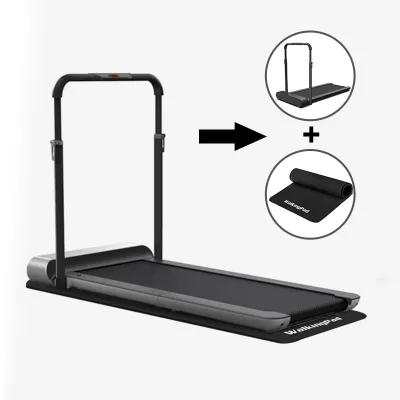
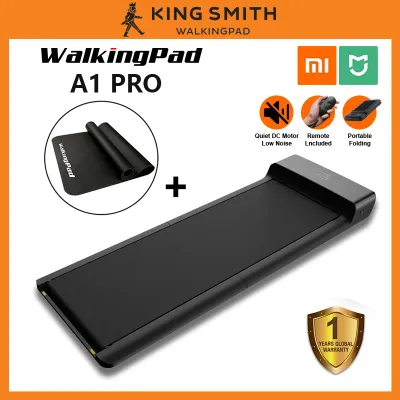
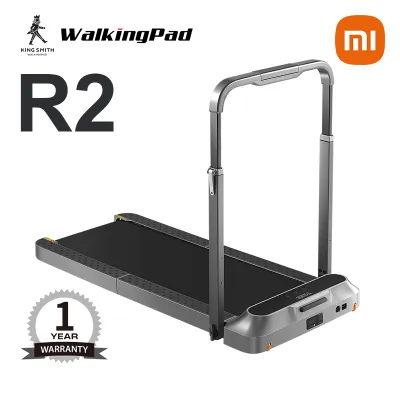
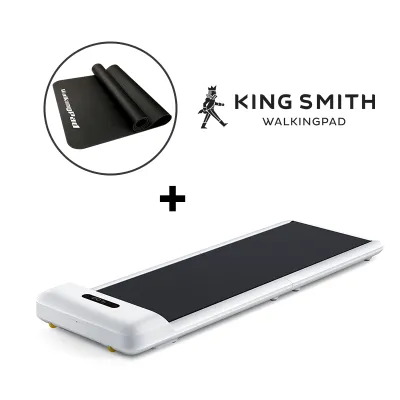
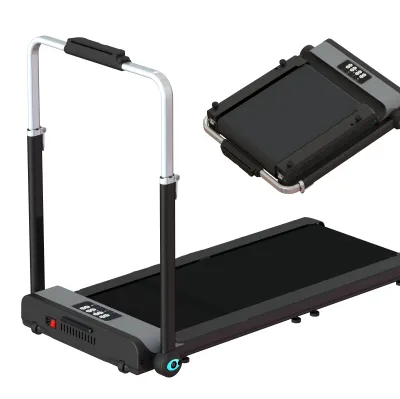
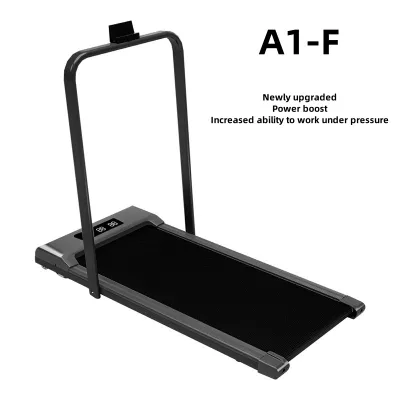
Prices are valid at publication and may change. Please refer to the product page for the latest price.
Noise and Vibration Management
In Philippine condominiums, floors are typically constructed from reinforced concrete slabs. While concrete is excellent at blocking airborne noise, such as music or conversation, it easily transmits impact noise—like the thud of a footstep—to the unit directly below. This structural vibration can lead to complaints from neighbors. To mitigate this, look for models equipped with brushless motors, which generally operate more quietly and have a longer lifespan than brushed alternatives. Furthermore, the mechanical sound of the belt sliding over the deck must be minimized. Plan to invest in a dedicated vibration-dampening mat to place under the machine, which absorbs the impact energy before it can travel into the building’s structure.
Structural Limits and Building Rules
Before purchasing, consult your building’s Property Management Office (PMO). Some older high-rise developments or specific loft-style units have strict structural load limits or specific guidelines regarding heavy fitness equipment. While a compact walking pad is significantly lighter than a commercial treadmill, verifying your building’s rules regarding delivery, noise hours, and equipment weight ensures a hassle-free setup. Some PMOs require a permit for moving in large appliances, so checking these administrative requirements beforehand prevents unexpected delays at the lobby gate.
Matching Xiaomi WalkingPad Types to Your Fitness Needs
The Xiaomi ecosystem offers two primary design categories: ultra-compact under-desk models and foldable standalone models with integrated handrails. Choosing between them depends on whether you intend to walk slowly while working or engage in higher-intensity jogging sessions.

Under-Desk and Ultra-Compact Models
These models are designed strictly for low-speed walking, typically topping out at 6 kilometers per hour. They lack physical handrails, making them incredibly easy to slide under a standing desk or store away in a studio unit.
When using an under-desk model, spatial clearance is critical. Ensure your standing desk has sufficient width between its legs to accommodate the walking deck (usually around 60 to 70 centimeters) with at least 10 centimeters of clearance on either side to prevent the belt from rubbing against the desk frame. This setup allows you to accumulate steps during long virtual meetings or casual reading sessions without interrupting your workflow.
Because these units lack handrails, they rely heavily on automatic speed control features (such as foot-sensing zones on the belt) or a compact remote control. Users must maintain excellent balance, as there is no physical bar to grab in case of a slip. Additionally, these ultra-compact designs often have lower weight capacities, which must be cross-referenced with your body weight before purchase. If you are new to walking while working, start at very low speeds (around 1.5 to 2.0 kilometers per hour) to build coordination before attempting to type or write.
Foldable Standalone Models with Handrails
If your fitness routine includes jogging or running, a model with a foldable handrail is necessary. These units typically offer higher speed limits, often reaching up to 10 or 12 kilometers per hour, and provide the physical stability required for faster movement.
The handrail mechanism must be checked for robust locking latches. A loose handrail during a run poses a significant safety hazard. Many models feature a safety clip that attaches to your clothing; if you slip, the clip pulls free and immediately cuts power to the motor. This is an essential feature for higher-speed workouts where losing your footing can result in a fall.
While these models offer superior speed and stability, they have a larger footprint both when deployed and folded. When folded, the handrail folds flat against the deck, increasing the overall thickness of the stored unit. Verify that your designated storage space can accommodate this extra height or depth. Some models allow the handrail to fold down so the entire unit can still slide under a bed, while others are designed to stand vertically against a wall with the handrail acting as a stabilizing base.
Condo-Specific Setup and Safety Checks
Setting up your walking pad correctly is just as important as choosing the right model. Proper installation protects your property, ensures your safety, and maintains a peaceful relationship with your neighbors.
Floor Protection and Vibration Dampening
Never place a walking pad directly on bare laminate, vinyl, or hardwood flooring. The friction and heat generated by the belt, combined with the pressure of your steps, can scuff, discolor, or warp delicate flooring materials. Use a high-density, non-slip rubber mat that extends at least 10 centimeters beyond the perimeter of the machine. This mat also plays a crucial role in absorbing the low-frequency vibrations that disturb downstairs neighbors. In the humid climate of the Philippines, sweat can quickly accumulate on the floor; a waterproof mat makes cleanup easy and prevents moisture from seeping into floor joints.
Spatial Planning and Clearance
Safety guidelines recommend leaving at least 1 to 1.5 meters of clear, unobstructed space behind the treadmill deck. In a compact condo, it is tempting to push the rear of the walking pad directly against a wall or wardrobe. However, if you lose your balance, a lack of rear clearance can trap you between the moving belt and the wall, leading to friction burns or impact injuries. Keep the sides clear by at least 50 centimeters as well. Ensure that no curtains, loose clothing, or power cords hang near the rear roller, as they can easily become entangled in the moving belt.
Cable Management and Power Safety
In the tropical climate of the Philippines, electrical safety is paramount. High humidity can affect electronic components, so ensure your walking pad is plugged directly into a grounded wall outlet rather than a daisy-chained extension cord. Route the power cable away from walking paths to prevent tripping hazards. If the cable must cross a high-traffic area, cover it with a heavy-duty rubber floor cord protector. Always unplug the machine when not in use to protect its sensitive control boards from power surges, which are relatively common during tropical storms and localized grid fluctuations.
What to Verify Before Buying
Before finalizing your purchase on an online marketplace or at a local retail store, run through this final verification checklist to ensure the model you choose is fully compatible with your home and lifestyle.
Weight Limits and Motor Power
Carefully read the manufacturer’s specification sheet. Ensure your weight falls well within the recommended limit, leaving a safety margin of at least 10 to 15 kilograms. Operating a walking pad near its absolute weight limit strains the motor, leading to overheating, premature wear, and increased noise. Check the motor’s continuous horsepower (CHP) rating rather than just the peak horsepower; a higher CHP indicates the motor can sustain your workout speed over long periods without struggling.
Voltage and Plug Compatibility
Standard electrical outlets in the Philippines supply 220V at 60Hz. Many imported walking pads are configured for 110V or use non-standard plug types (such as Type I). Verify that the unit you are purchasing is rated for 220V and comes with a compatible Type A or Type B plug, or use a high-quality, rated voltage adapter if specified by the manufacturer. Using an incorrect voltage converter or a flimsy adapter can damage the machine’s control board and pose a serious fire hazard.
Authorized Retail and Warranty
Purchasing from authorized local distributors in the Philippines ensures access to official warranties and replacement parts, such as replacement belts, lubricants, and remote controls. While a typical investment for a quality compact treadmill ranges from ₱15,000 to ₱35,000, verify that the seller offers at least a one-year warranty on the motor and frame, and check if they have a local service center or technician who can assist with maintenance and repairs. Avoid parallel imports that offer no local repair support, as shipping a heavy fitness machine back overseas for repairs is highly impractical and costly.
Frequently Asked Questions (FAQ)
Can I use a WalkingPad on a condo balcony?
Using a walking pad on a condo balcony is highly discouraged. Most consumer walking pads do not carry high IP (Ingress Protection) ratings for water and dust resistance. Exposure to the high humidity, salt air, wind-blown rain, and direct sunlight typical of the Philippine climate will rapidly degrade the electronic console, rust the internal steel frame, and dry out the walking belt’s lubrication. Additionally, balconies often have strict weight distribution limits and slope slightly for drainage, which can cause the walking belt to drift off-center during use. Keep your machine indoors in a dry, climate-controlled room to ensure its longevity and safety.
Do Xiaomi WalkingPads require professional assembly?
Most Xiaomi WalkingPad models are designed to be virtually plug-and-play, requiring no complex professional assembly. They typically arrive pre-assembled in the box; you simply need to unbox the unit, unfold it on a flat surface, plug it in, and pair it with the companion mobile application if required. However, before your first workout, you must perform essential safety checks: verify that the belt is centered, check the tension according to the user manual, and apply the manufacturer-provided silicone lubricant under the belt to prevent friction damage to the motor. Regularly checking these adjustments will keep your machine running smoothly and quietly.

Community discussion
Share your experience or ask a question. Comments are reviewed before publication.