
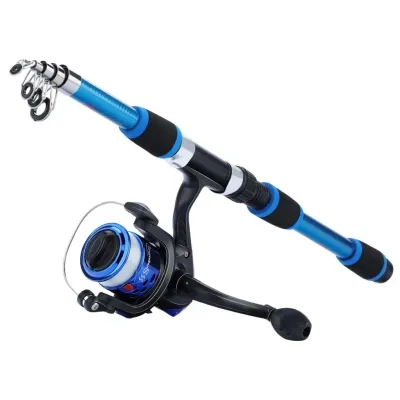
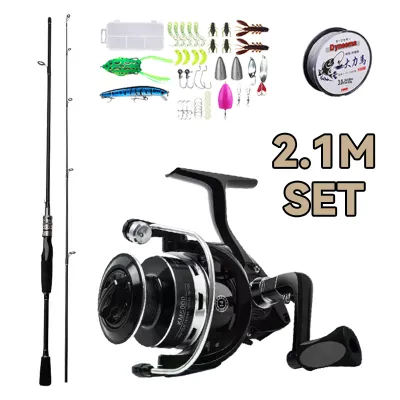
Selecting a versatile fishing rod set for both freshwater and saltwater fishing in the Philippines requires balancing the delicate requirements of inland lakes with the harsh, corrosive realities of coastal marine environments. For most beginners, the ideal starting point is a medium-power, fast-action spinning rod set measuring between 6.5 and 7 feet, paired with a 2500 to 3000-size spinning reel. This configuration offers a highly practical middle ground, providing enough sensitivity to detect subtle bites from freshwater tilapia while retaining the structural backbone and line capacity needed to battle stubborn coastal species like mangrove jack or small trevally. By focusing on corrosion-resistant materials and adaptable specifications, a single well-chosen combo can successfully introduce you to the diverse angling opportunities found across the archipelago.
Identifying Your Primary Fishing Scenarios
The Philippines offers an incredibly diverse array of aquatic landscapes, each presenting unique challenges for an angler and their equipment. Inland freshwater bodies, such as Lake Caliraya, Pantabangan Reservoir, and various local river systems, typically host species like mudfish (dalag), catfish (hito), and introduced tilapia. These environments are characterized by relatively calm waters, heavy overhanging vegetation, and submerged structures like tree branches, weeds, and logs. Fishing here requires gear that can make precise, controlled casts into tight spaces.
In contrast, coastal saltwater environments—including mangrove estuaries, concrete piers, sandy beaches, and shallow nearshore reefs—introduce much harsher conditions. Saltwater environments feature high salinity, strong tidal currents, waves, and highly abrasive structures like volcanic rocks, barnacles, and coral reefs. The tropical climate of the Philippines, marked by high humidity, intense sun, and seasonal monsoons, accelerates gear degradation, making UV resistance and rust prevention critical.
Products mentioned in this guide
![[COD]Fishing Rod and Reel Set Fishing Rod Set Full Set Fish rods 1.8m Telesscopic Fishing Rod Fishing Rod and Reel Combos](https://img.lazcdn.com/g/p/dd36fe77f96794e78e35359c533a3b87.jpg_400x400q80.jpg_.webp)
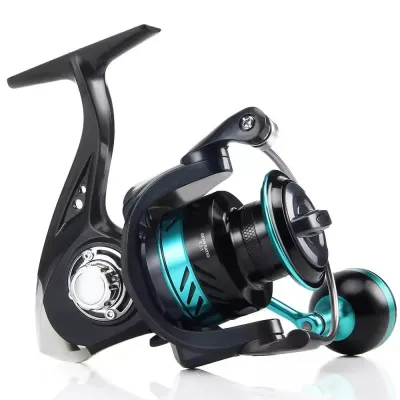
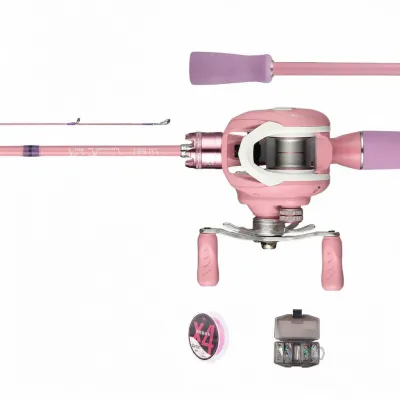
Prices are valid at publication and may change. Please refer to the product page for the latest price.
These environmental differences dictate your gear requirements. Saltwater demands exceptional corrosion resistance because salt crystals quickly degrade cheap metal alloys, leading to seized gears and brittle guides. Casting distance also varies significantly between the two settings. Inland fishing often requires short, highly accurate casts to place a lure under a low-hanging branch, whereas coastal fishing frequently demands long, sweeping casts to reach deep channels or passing schools of fish beyond the surf.
Choosing a single versatile setup involves clear trade-offs. A single multi-purpose rod set saves money and simplifies the learning process for a beginner, eliminating the need to carry multiple setups. However, it represents a compromise. It will be slightly heavier than a dedicated ultra-light freshwater rod, making tiny fish feel less dramatic to catch, and it will lack the extreme pulling power required to haul massive reef-dwelling species out of deep coral crevices. For a beginner, this middle-ground compromise is highly beneficial, allowing you to explore both environments before investing in specialized, expensive gear.
Spinning vs. Baitcasting Combos for First-Time Anglers
When shopping for a fishing rod set, beginners will primarily encounter two configurations: spinning combos and baitcasting combos. Understanding the fundamental differences in line management, casting mechanics, and ease of use is crucial for a successful start.

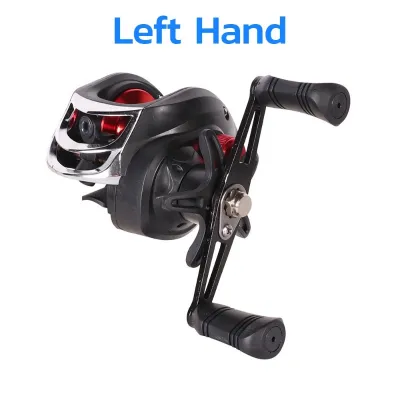
Baitcasting reels feature a rotating spool that sits on top of the rod. While they offer excellent casting accuracy and control for experienced anglers, they have a steep learning curve. If the spool spins faster than the line exits the guides—a common occurrence during windy days on a coastal pier—the line tangles into a severe knot known as a ‘bird’s nest’ or backlash. Clearing these tangles is frustrating and wastes valuable fishing time.
Spinning reels, conversely, feature a fixed spool where the line uncoils freely during a cast. This design is incredibly forgiving and virtually eliminates backlash. It allows beginners to cast lightweight lures or live baits with minimal practice, even when facing stiff coastal breezes. Spinning setups also handle a wider variety of line types and diameters, making them highly adaptable.
For these reasons, a spinning fishing rod set is the recommended starting point for anyone wanting to transition seamlessly between freshwater lakes and saltwater shores. It minimizes frustration, allowing you to focus on learning fish behavior, knot tying, and lure presentation.
Another key consideration is handle retrieve dominance. Spinning reels allow you to easily swap the handle from the left side to the right side. Most right-handed anglers prefer a left-hand retrieve, which allows them to hold the rod with their dominant right hand for maximum control, sensitivity, and hook-setting power. Left-handed anglers often prefer the opposite. Ensure the set you choose allows for this simple customization.
Core Specifications for a Versatile Rod and Reel
To ensure your fishing rod set can handle both environments, you must look closely at the technical specifications printed on the rod blank and the reel packaging.
Rod length is the first critical parameter. A rod measuring 6 feet 6 inches to 7 feet is highly versatile. This length provides a balanced compromise, offering enough leverage for long casts along open beaches while remaining short enough to maneuver around tight riverbanks or mangrove roots.
Rod power refers to the amount of force required to bend the rod. A ‘Medium’ or ‘Medium-Heavy’ power rating is ideal for a versatile setup. Medium power provides enough flexibility to cast lighter freshwater lures while maintaining the lifting power needed to control a hard-fighting saltwater fish.
Rod action describes where the rod bends along its length. A ‘Fast’ or ‘Moderate-Fast’ action rod bends primarily in the top third of its length. This design offers excellent sensitivity to feel subtle bites and provides a quick hook set, which is essential when targeting quick-striking species.
For the reel, saltwater survival must be your top priority. Saltwater is highly corrosive and can ruin internal gears within weeks. Look for reels constructed with corrosion-resistant materials, such as a graphite or anodized aluminum frame. The spool should be made of machined aluminum.
Pay close attention to the bearings. A quality versatile reel should feature sealed or shielded stainless steel ball bearings to prevent saltwater and sand from entering the internal mechanism.
Line capacity and gear ratio are also vital. A reel size of 2500 to 3000 is perfect. It holds a sufficient amount of line—typically around 150 to 200 meters of 10-pound monofilament or braided line—without becoming excessively heavy. Look for a moderate gear ratio between 5.2:1 and 6.2:1. This ratio determines how many times the spool spins for every turn of the handle, providing a balanced retrieve speed suitable for both fast-moving saltwater lures and slow-moving freshwater baits.
Recommended Configurations for Common Catches
To maximize your success, you must match your rod, reel, and line configuration to the specific size of your target catch and the structure of their habitat. Using gear that is too light can result in broken lines and lost fish, while gear that is too heavy makes it difficult to cast light baits and reduces the excitement of the catch.
Before heading out to any local waterway, always verify local fishing regulations, municipal ordinances, and size limits. Some areas, particularly marine protected areas (MPAs) or private reservoirs, have strict rules regarding catch-and-release, hook types, or permitted fishing zones.
Light to Medium Setup for Inland and Estuary Species
For inland freshwater bodies and brackish estuaries, a light to medium configuration is highly effective. This setup is tailored for species like tilapia, dalag (mudfish), hito (catfish), and smaller mangrove jacks (locally known as mangagat) inhabiting coastal river mouths.
An ideal rod for this scenario is a 6-foot to 6-foot-6-inch rod with a Medium-Light or Medium power rating. Pair this with a smaller 2000-size spinning reel. This lighter setup allows you to cast lightweight soft plastics, small spinners, or live bait with high precision.
For your main line, spool the reel with 6-pound to 10-pound monofilament or an equivalent 8-pound to 12-pound braided line. Monofilament is highly forgiving, stretches to absorb sudden runs, and is easy for beginners to knot. If you choose braided line, always tie a short leader of fluorocarbon line to the end to make the presentation nearly invisible to wary fish.
Medium to Heavy Setup for Nearshore and Reef Species
When transitioning to open coastal waters, rocky shores, concrete piers, or nearshore reefs, you will need a medium to heavy configuration. This setup is designed to handle stronger, harder-fighting species such as lapu-lapu (grouper), talakitok (trevally), and larger barracuda.
For these environments, select a 7-foot to 7-foot-6-inch rod with a Medium-Heavy power rating. This extra length and power help you cast heavier lures or sinkers past the breaking waves and provide the leverage needed to pull strong fish away from sharp rocks and coral reefs. Pair this rod with a robust 3000 to 4000-size spinning reel featuring a strong drag system.
Spool this reel with a 15-pound to 30-pound braided line. Braided line offers a thin diameter for long casts, zero stretch for highly sensitive bite detection, and incredible tensile strength. Because coastal structures are highly abrasive, always use a 20-pound to 40-pound fluorocarbon leader. Fluorocarbon is highly abrasion-resistant, preventing sharp barnacles, rocks, or fish teeth from easily slicing through your line during a fight.
Pre-Purchase Inspection and Saltwater Care
Before purchasing a fishing rod set from a local tackle shop or an online marketplace, performing a thorough physical inspection is essential to ensure you are getting a reliable product.
Start by inspecting the rod guides, which are the metal loops that hold the line. Run a cotton swab inside each ceramic guide ring; if the cotton catches, there is a hairline crack or chip in the ceramic that will easily cut your fishing line under tension. Check that the reel seat holds the reel securely without any wobbling or slipping.
Next, test the reel’s operation. Turn the handle slowly to check for any grinding, clicking, or resistance. Tighten the drag knob and pull line off the spool by hand to ensure the drag releases line smoothly without jerking. Inspect the bail arm to make sure it flips open and clicks back into place crisply.
Once you own your gear, establishing a strict post-trip maintenance routine is the single most important factor in extending its lifespan, especially after exposure to saltwater. Salt crystals act like sandpaper on moving parts and accelerate corrosion on metal surfaces.
After every saltwater outing, rinse your rod and reel thoroughly with gentle, running freshwater. Never use a high-pressure hose, as this can force salt and water deep into the reel’s internal gears. Keep the drag tightened during the rinse to prevent water from entering the drag washers.
After rinsing, loosen the drag completely to relieve pressure on the washers, and wipe down the entire setup with a clean, dry microfiber cloth. Allow the gear to air dry completely in a shaded, well-ventilated area before storing it away. Finally, consult the manufacturer’s guidelines regarding warranties and return policies, as reputable brands often provide support for manufacturing defects if registered promptly.
Frequently Asked Questions (FAQ)
Can I use a freshwater rod in saltwater if I wash it afterward?
While you can physically cast a freshwater rod into saltwater, doing so carries significant risks. Freshwater-specific rods and reels often use components made of standard steel or low-grade alloys that lack protective coatings. Even with a thorough freshwater rinse after your trip, saltwater can seep into unsealed bearings, reel handles, and guide frames, initiating rapid internal corrosion and rust. Over time, this leads to seized gears and brittle guide frames that can snap under pressure. For long-term durability, it is highly recommended to purchase a set explicitly rated for saltwater use, which features sealed components and corrosion-resistant materials.
Do I need to buy a pre-matched combo or separate rod and reel?
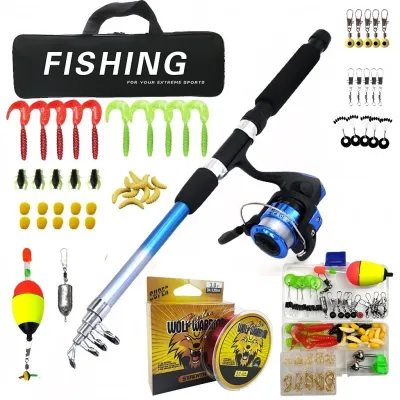
For beginners, a pre-matched fishing rod and reel combo is highly recommended. Manufacturers design these sets to ensure the rod’s power and action perfectly complement the reel’s size, weight, and drag capacity. This balanced performance makes casting and retrieving much easier for someone learning the sport. Additionally, pre-matched combos are highly cost-effective, often priced significantly lower than purchasing an equivalent rod and reel separately. As your skills develop and you identify your favorite fishing styles or target species, you can transition to purchasing separate, highly specialized components to customize your setup.

Community discussion
Share your experience or ask a question. Comments are reviewed before publication.