
Finding the right walking exercise equipment for a compact condominium requires balancing your fitness goals with the physical realities of limited floor space. In high-density urban areas where studio and one-bedroom units are common, bulky commercial gym equipment is rarely practical. Fortunately, modern space-saving designs allow you to maintain an active lifestyle indoors, shielding you from unpredictable tropical downpours or intense midday heat in the Philippines without permanently sacrificing your living area.
The most effective solutions for small condo spaces include low-profile walking pads, ultra-foldable treadmills, and dedicated under-desk walkers. Selecting the ideal machine involves analyzing how much active floor space you can spare during a workout, where the equipment will reside when folded, and how easily you can move the unit on your own. By focusing on these spatial constraints, you can establish a sustainable home workout routine that fits seamlessly into your daily environment.
Assessing Your Condo Space for Walking Equipment
Before browsing online marketplaces, measure your condo’s physical layout. Define your active workout zone, ensuring there is ample clearance on all sides for natural arm swings and safe emergency dismounts.
Products mentioned in this guide
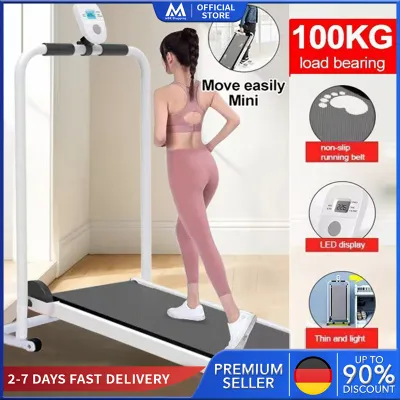
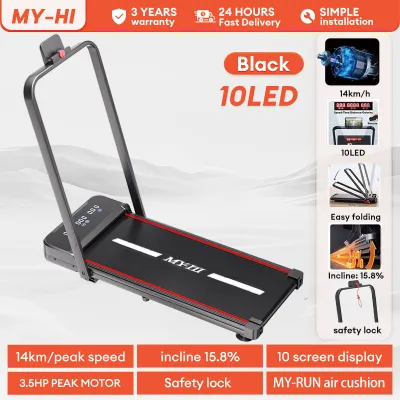
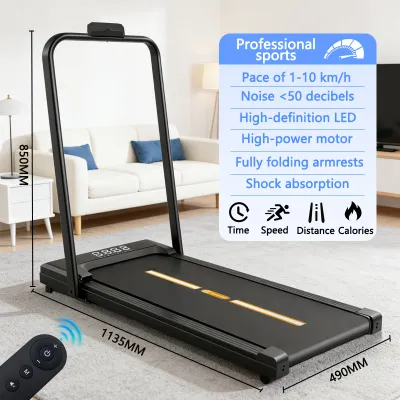
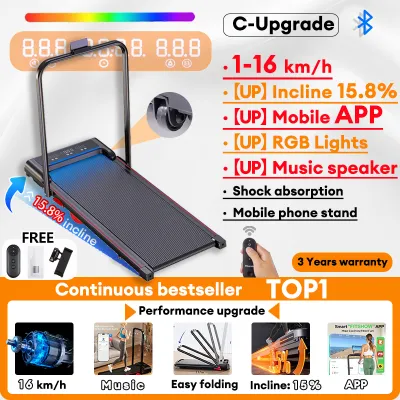
Prices are valid at publication and may change. Please refer to the product page for the latest price.
Next, measure your storage zone, whether under a sofa or against a wall. Check the clearance of hallways, doorways, and elevator entries. Many residents purchase compact equipment only to find the shipping box cannot clear tight entryway corners or narrow bedroom door frames.
Finally, consider structural limits like floor load capacity and noise regulations. Ceiling height is critical, especially in units with dropped ceilings. Standing on a walking deck raises your head several inches; verify you have comfortable clearance. Also, consider how vibrations travel through concrete floors to neighbors below.
Comparing Space-Saving Walking Equipment Options
To choose the right machine, you need a clear framework that compares how different designs utilize your limited square footage. Evaluating equipment based on its active footprint, folded dimensions, total unit weight, and intended daily use will help you identify the trade-offs of each category.

Walking Pads
Walking pads represent the most minimalist approach to indoor walking exercise. These machines are designed strictly for walking or light jogging, featuring a flat, low-profile deck that completely lacks upright handrails or console towers. This streamlined design makes them incredibly easy to store under low-clearance furniture, such as a bed frame or a raised sofa, keeping your living area completely clutter-free when you are not exercising.
Because walking pads lack handrails, they require a higher degree of natural balance. This design limit means their maximum speed is typically lower than that of standard treadmills, making them ideal for steady, moderate-paced walking rather than high-intensity running. Before purchasing, check the manufacturer’s specified belt length to ensure it accommodates your natural stride without forcing you to take unnaturally short steps.
Portability is a major advantage, but you must still verify the unit’s total weight. While most walking pads feature transport wheels, lifting one end to roll it away still requires physical effort. Additionally, pay close attention to motor heat dissipation. In warm, humid climates, motors can run hot during extended sessions. Always check the manufacturer’s instructions regarding cooling times before sliding a warm machine into an enclosed, unventilated storage space.
Foldable Treadmills
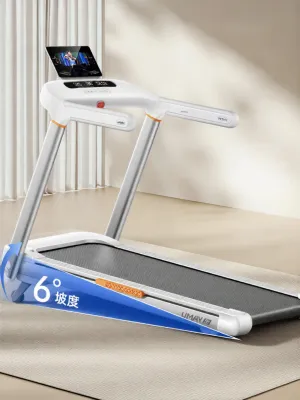
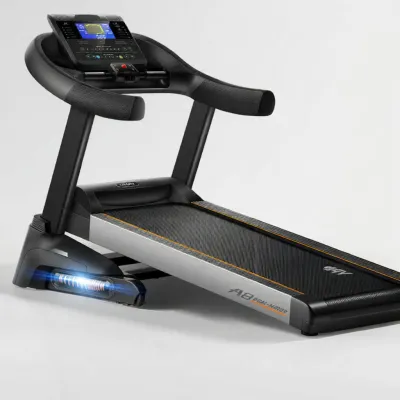
For fitness enthusiasts who prefer the security of handrails or want to incorporate incline training, a foldable treadmill offers a more robust alternative. Unlike flat walking pads, these machines feature a traditional console and side rails that fold down flat or fold upward toward the wall. This category provides a more familiar gym experience while still respecting the spatial limits of a modern condo.
When evaluating foldable models, distinguish between machines where only the deck folds upward and those where the entire frame collapses flat. A deck-only folding mechanism still leaves a significant permanent footprint on your floor, which may not work in a tight studio. If you need to clear the floor completely, look for flat-folding models that can stand vertically against a wall or fit inside a utility closet.
Always verify the folded dimensions against your intended storage space and check the total weight of the machine. Foldable treadmills are substantially heavier than walking pads, making them more challenging to maneuver across delicate flooring. Furthermore, inspect the locking mechanisms and structural stability. A high-quality folding frame must lock securely in both its active and stored positions to prevent accidental unfolding or wobbling during a vigorous walking exercise session.
Under-Desk Walkers
Under-desk walkers are specialized machines tailored for remote workers who want to stay active during the workday. These units are designed to slide directly beneath a standing desk, allowing you to log steps while attending virtual meetings or typing. This setup maximizes your condo’s utility by combining your workspace and your workout space into a single, highly efficient footprint.
To ensure a proper fit, you must measure both your desk’s height and the clearance between the desk legs. Remember to calculate your own height while standing on the walker’s deck to ensure your head does not bump the ceiling or your knees do not strike the underside of the desk frame. Because these machines are built to fit under furniture, they often feature shorter belts and lower weight capacities than standalone treadmills, which may limit their suitability for taller users.
Cable management is another crucial safety consideration for under-desk setups. Measure the distance from your desk to the nearest grounded electrical outlet. You must plan a safe routing path for the power cord to prevent it from crossing high-traffic walkways in your condo. Avoid using thin extension cords, as walking exercise motors require stable power delivery to operate safely and efficiently.
Key Clearance and Safety Checks Before Buying
Ensuring your safety and protecting your condo’s interior requires a few final checks before making a purchase. Manufacturers specify minimum clearance zones around their equipment to prevent injuries. Generally, you should maintain a clear, unobstructed space of at least two feet on both sides of the walking belt and several feet behind the rear roller. This safety zone ensures that if you lose your balance or need to step off quickly, you will not collide with walls, furniture, or glass balcony doors.
Protecting your condo’s flooring is equally important, especially if you rent or have delicate hardwood or laminate tiles. Placing a high-density, non-slip equipment mat beneath your walking pad or treadmill is highly recommended. Investing around ₱1,500 to ₱3,000 in a high-density mat serves a dual purpose: it shields your floors from scratches and sweat, and it absorbs the impact vibrations that travel through the building’s structure, keeping your workouts quiet.
Finally, review your condo’s electrical capacity. Treadmill and walking pad motors draw a significant amount of power, particularly when starting up or operating at higher speeds. To prevent tripped breakers, plug your equipment directly into a dedicated wall outlet rather than a shared power strip or extension cord. Ensuring your electrical setup can handle the load will protect both your fitness equipment and your home’s electrical system.
Frequently Asked Questions (FAQ)
Can I use a walking pad on a carpeted condo floor?
Using a walking pad directly on a carpeted floor is generally not recommended unless the manufacturer explicitly states it is safe. Thick carpet fibers can block the air vents located on the underside of the machine, restricting airflow and causing the motor to overheat. Additionally, carpet fibers can attract static electricity and accumulate inside the motor housing, leading to premature wear. If you must use the equipment on carpet, place a rigid, high-density equipment mat over the carpet to create a flat, stable surface that preserves proper ventilation.
How do I prevent treadmill noise from bothering my downstairs neighbors?
To minimize noise transmission in a multi-story condo, start by placing a thick, high-density rubber mat under your equipment to absorb impact vibrations. Ensure the machine is perfectly level on the floor, as an uneven base can cause the frame to rattle and amplify noise. You can also reduce acoustic impact by adjusting your walking speed and focusing on a smooth, rolling stride rather than heavy heel strikes. Performing your walking exercise during standard daytime hours also helps maintain good relations with your neighbors.

Community discussion
Share your experience or ask a question. Comments are reviewed before publication.