
Finding a compact treadmill for kids in a small condo or apartment requires prioritizing folding mechanisms, low-profile decks, and strict safety clearance zones. In dense urban areas like Metro Manila, where residential floor plans are often compact, selecting fitness equipment is not just about the machine’s features but how it integrates into a multi-purpose room. A suitable kids’ treadmill must balance a child’s developmental needs with the physical realities of limited square footage and tropical indoor climates.
Keeping children active indoors is a common challenge for families living in high-rise developments. During the rainy season or on high-heat afternoons when outdoor play is limited, having an indoor cardio option helps kids burn off energy and maintain healthy habits. However, introducing a motorized machine into a tight living space requires careful planning to ensure it remains a beneficial tool rather than a safety hazard or a source of household clutter.
To make an informed decision, you must evaluate your home’s layout, identify specific space-saving designs, and understand the mechanical limits of compact fitness equipment. This guide provides a practical framework to help you measure your space, assess key features, and establish non-negotiable safety boundaries for your home gym setup.
Products mentioned in this guide
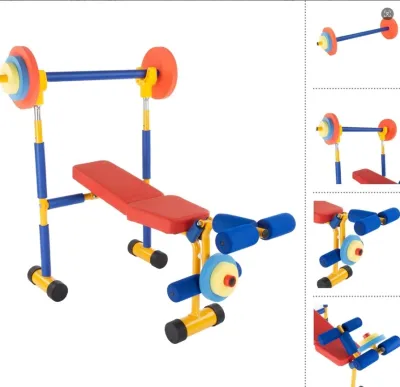
Prices are valid at publication and may change. Please refer to the product page for the latest price.
Assessing Your Condo's Available Space for a Kids' Treadmill
Before browsing online marketplaces for fitness equipment, grab a tape measure to map out the exact zone where the treadmill will operate. The physical footprint of the machine—the length and width when flat—is only a fraction of the space you actually need. You must distinguish between this static footprint and the dynamic operational clearance required when a child is actively running.
Measure the path from your condo building’s delivery bay to your front door before finalizing any purchase. High-rise living often involves navigating tight service elevators, narrow hallways, and sharp turns within the unit’s entryway. Verify the boxed dimensions on the manufacturer’s specification sheet to ensure the package can clear these entry points without damaging walls or requiring complex disassembly in the hallway.
Ceiling height is another critical factor that is easily overlooked in modern apartments. When a child runs, their head rises significantly higher than their standing height, particularly if the treadmill deck is elevated or features an incline setting. Measure the vertical distance from the floor to the lowest ceiling fixture, sprinkler head, or light fixture to prevent painful overhead collisions.
Key Space-Saving Features to Look For
To maintain a functional living area, look for a treadmill with a highly efficient folding mechanism. Some models feature a hydraulic assist that helps lower the deck smoothly, while others fold completely flat to a height of less than 15 centimeters. Check the folded dimensions against your intended storage spots, such as the gap under a sofa, a dedicated utility closet, or the space behind a bedroom door.

Mobility is essential when a single room serves as a play area, study space, and living room. Prioritize units equipped with built-in transport wheels and a lightweight frame that allows a single adult to roll the machine away without straining. Heavy, commercial-grade steel frames are durable but highly impractical for a home layout that requires daily reconfiguration.
Examine how the console and handrails behave when the unit is stored. A space-saving design allows the console to fold flat against the running deck or detach entirely. This reduces the vertical profile, allowing you to slide the unit horizontally under low furniture or prop it securely upright against a wall using a safety strap.
Safety and Clearance Requirements in Small Rooms
Confined spaces amplify the safety risks associated with motorized fitness equipment. Manufacturers typically recommend maintaining a clear zone of at least two meters behind the rear of the treadmill and one meter on each side. This buffer zone is critical; if a child loses their footing, they must be thrown clear of the moving belt rather than pinned against a concrete wall, cabinet, or glass sliding door.
Cable management is a vital safety consideration in high-traffic condo layouts. Ensure the power cord runs directly along the baseboard to a grounded outlet, avoiding pathways where family members might trip. Tripping over a loose cord can unplug the machine abruptly, causing sudden stops that can throw a child off balance, or pull the heavy unit over.
In tropical climates, small rooms can quickly trap heat and humidity, which affects both the user and the machine. Ensure there is adequate ventilation around the motor housing at the front of the deck. Placing a treadmill too close to curtains, plush rugs, or tight corners can restrict airflow, leading to motor overheating and premature component failure.
Always prioritize models that feature a physical safety clip that attaches to the child’s clothing. This clip pulls a key to stop the belt instantly if the child falls or drifts too far back. Never allow a child to operate the machine without active adult supervision, and ensure the safety key is stored out of reach when the treadmill is not in use to prevent unauthorized play.
Evaluating Weight Capacity and Motor Specs for Children
When selecting a treadmill, check the manufacturer’s stated maximum weight capacity to ensure it supports your child’s current weight with a generous growth margin. Children grow rapidly, and a machine that is barely adequate today may become structurally unstable within a year. A robust frame prevents excessive vibration, which is especially important for minimizing noise transmission to downstairs neighbors in a condo.
The dimensions of the running belt must match your child’s physical stride. A belt that is too short can cause the child to step off the front or rear during a stride, while a belt that is excessively wide takes up unnecessary floor space in your apartment. Review the specification sheet to verify that the running surface accommodates a natural stride length without forcing the child to run too close to the motor cover.
Pay close attention to the motor specifications, specifically distinguishing between continuous duty horsepower (CHP) and peak horsepower. For children’s use, a lower CHP motor is often sufficient and runs much quieter than high-powered adult models. However, ensure the motor is rated for continuous operation rather than short bursts, as this prevents the motor from straining and overheating during longer, steady-state walking or jogging sessions.
Verify the speed range of the motor to ensure it aligns with your child’s developmental stage and fitness level. A machine designed for younger children should have a low, highly controllable starting speed, typically starting at 0.8 kilometers per hour. This allows for a safe, gradual warm-up and prevents sudden accelerations that could startle or injure a young user.
Alternative Cardio Options When Space Is Extremely Limited
If your condo’s layout cannot safely accommodate the clearance zones required for a traditional treadmill, several compact alternatives can keep your child active. An under-desk treadmill or a flat walking pad offers a highly streamlined profile without bulky handrails or consoles. These units are designed primarily for walking, making them easier to slide under a bed when the workout is finished.
For spaces where floor area is exceptionally tight, consider vertical or low-impact alternatives such as compact steppers, mini ellipticals, or interactive active-play mats. These options require a fraction of the physical footprint of a treadmill and do not carry the same risks of high-speed belt friction or rear-fall entrapment. They are highly portable and can be set up in the middle of a room and tucked away in a drawer or closet within seconds.
While these alternative options excel in spatial efficiency, they involve trade-offs in cardiovascular intensity and long-term engagement. A walking pad or mini stepper may not provide the same level of high-energy exercise as a dedicated running deck, and some children may find them less engaging over time. Weigh these factors carefully against your child’s fitness goals and the absolute physical limits of your living space.
Frequently Asked Questions (FAQ)
Can a regular adult treadmill be safely used by kids in a small apartment?
Using a standard adult treadmill for children in a confined apartment is generally not recommended due to significant safety and ergonomic mismatches. Adult machines feature higher minimum speeds, longer stride decks, and safety key sensors positioned at heights that a child cannot easily reach or trigger in an emergency. Additionally, the massive footprint and heavy weight of adult models make them incredibly difficult to move or store in a small condo, increasing the risk of accidental tipping or crowding.
Do folding kids' treadmills require assembly every time they are used?
Most folding treadmills do not require complete assembly and disassembly before and after every use. Instead, they are designed with quick-release locking pins or hydraulic hinges that allow you to fold the deck upright or collapse the handrails flat in a single, smooth motion. Before purchasing, verify the locking mechanisms on the spec sheet to ensure they are secure and require minimal physical effort for an adult to operate safely.

Community discussion
Share your experience or ask a question. Comments are reviewed before publication.