
Finding the best value in 10oz boxing gloves in the Philippines requires balancing material durability against tropical humidity, matching the glove’s padding to your specific training drills, and verifying the internal fit with hand wraps. While 10oz gloves are highly valued for speed and precision, they are not a one-size-fits-all solution. The ideal value depends on your training frequency, hand size, and whether you prioritize synthetic convenience or the long-term resilience of genuine leather.
In the local fitness and combat sports community, 10oz gloves occupy a unique niche. They are light enough to keep your hands fast during intense pad work sessions but require careful selection to ensure your knuckles and wrists remain protected. By understanding the key construction elements and matching them to your training environment, you can avoid the common pitfall of buying gloves that degrade prematurely under heavy use.
What to Look for When Comparing 10oz Gloves
Evaluating the value of a 10oz boxing glove requires looking beyond the aesthetic design and focusing on the core components that dictate performance and longevity. Because 10oz gloves contain less padding overall than their 14oz or 16oz counterparts, the quality of the materials used becomes critical to preventing injury and ensuring the glove does not pack out after a few months of training.
Products mentioned in this guide
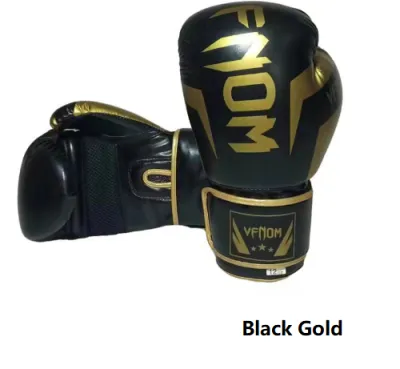
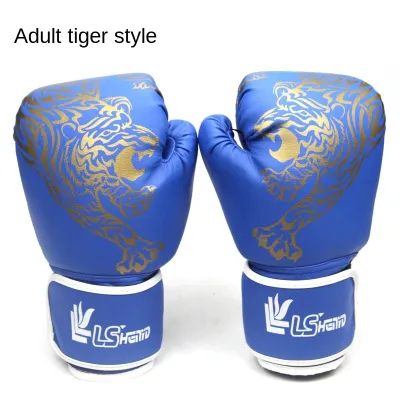
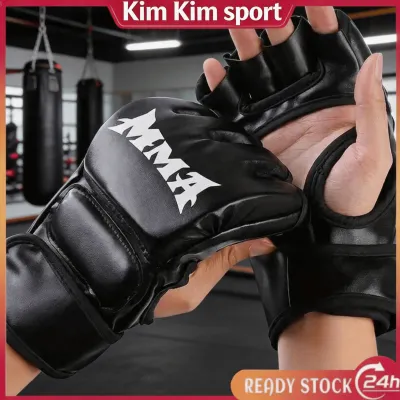
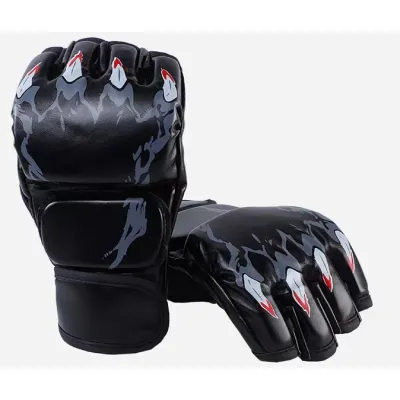
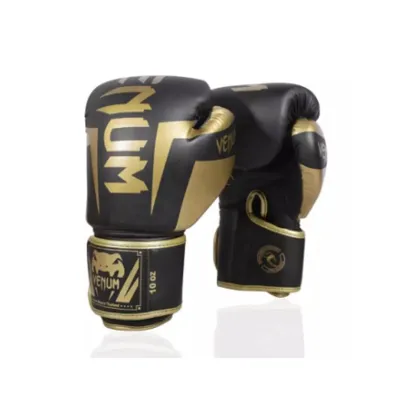
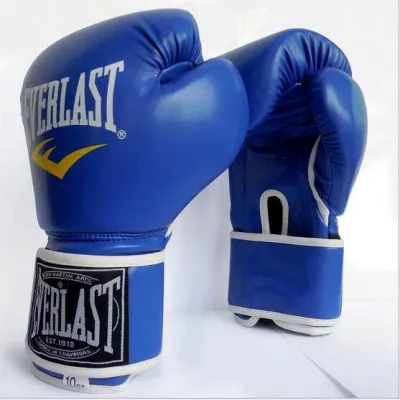
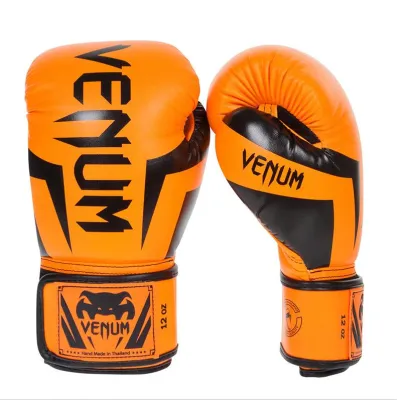
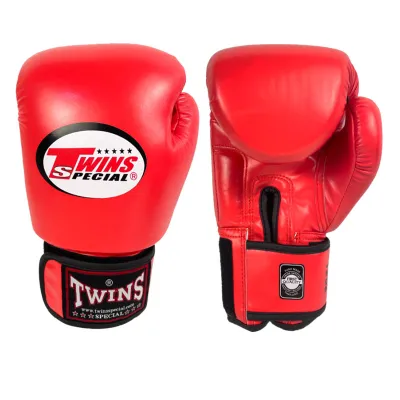
Prices are valid at publication and may change. Please refer to the product page for the latest price.
The outer material is your first line of defense against wear and tear. Synthetic leather options, such as polyurethane (PU) or engineered microfibers, are highly popular due to their lower initial cost and resistance to moisture absorption. However, low-grade synthetics are prone to peeling and cracking when exposed to repeated friction and sweat. Genuine leather, such as cowhide, offers superior natural elasticity, stretches slightly to conform to your hand shape over time, and generally boasts a much longer lifespan under heavy training conditions.
Inside the glove, the padding composition determines how effectively impact forces are dispersed. Multi-layered foam systems combine layers of varying densities to absorb shock progressively, making them excellent for protecting the small bones in your hand. In contrast, single-block injection-molded foam (IMF) provides a highly consistent shape and excellent knuckle coverage but can sometimes feel overly stiff initially and may break down faster if subjected to constant heavy impact.
The closure system affects both the security of the fit and your independence in the gym. Hook-and-loop (Velcro) closures are the standard for daily training because they allow you to put on and remove your gloves without assistance, which is essential for structured class environments. Lace-up designs offer an unparalleled, customized wrist support that conforms perfectly to your forearm, but they require a training partner or coach to tie them securely before every round.
In the tropical climate of the Philippines, ventilation is a non-negotiable feature for maintaining hygiene and extending glove life. High humidity and intense heat accelerate sweat accumulation, which can lead to bacterial growth and persistent odors. Look for gloves featuring mesh palm panels, ventilation perforations along the inner fingers, and moisture-wicking interior linings that help dry out the glove quickly between training sessions.
Match the Glove Profile to Your Training Style
A 10oz glove is highly specialized, and its suitability depends heavily on the specific drills you perform. Before purchasing, you must assess whether your routine consists primarily of heavy bag work, focus mitt training, or technical defensive drills, as each activity demands a different structural profile from your equipment.

For heavy bag and pad work, your primary concern is protecting your knuckles and wrists from repetitive, high-impact forces. If you choose to use a 10oz glove for these drills, you must prioritize models with dense, multi-layered foam padding and a highly rigid wrist support structure. The reduced weight of a 10oz glove means you will hit the target faster and with less effort, but without sufficient padding density, the shock of each impact will transfer directly into your hand joints and wrists, increasing the risk of chronic fatigue or acute injury.
If your training focuses on technical drills, shadowboxing, and defensive guard work, a more compact and streamlined glove profile is highly advantageous. A smaller glove allows you to keep your guard tight, slip punches more easily, and receive immediate tactile feedback upon impact. For these activities, look for gloves that emphasize flexibility, a natural thumb position, and a supple outer material that allows you to form a tight fist effortlessly.
It is critical to understand the safety limits of 10oz gloves when it comes to partner training. Except for very light, non-contact technical flow drills, 10oz gloves are generally unsuitable and unsafe for sparring. The limited padding volume cannot safely cushion your partner’s face or body from hard impacts, and most reputable gyms in the Philippines strictly enforce a minimum of 14oz or 16oz gloves for any live sparring. Always verify your local gym’s safety guidelines and consult your coach before attempting to use 10oz gloves in any partner-facing drills.
To simplify your decision, use a straightforward framework: choose a dense, heavily reinforced 10oz glove if your training is dominated by power-focused bag and pad work where hand protection is paramount. Conversely, opt for a compact, highly flexible, and responsive glove if your priority is speed, defensive positioning, and technical precision during light drills.
Balance Upfront Cost and Long-Term Durability
Finding true value means calculating the cost of your boxing gloves over their entire usable lifespan, rather than simply choosing the cheapest option available. In the Philippine market, boxing gloves generally fall into three distinct price tiers, each offering a different balance of upfront cost and long-term durability.
Entry-level synthetic gloves, typically priced under ₱1,500, are highly accessible and serve as an excellent starting point for beginners who train once or twice a week. While these gloves are budget-friendly, they often feature simpler single-layer padding and lighter stitching. Under daily or high-intensity training, the seams of entry-level synthetic gloves can begin to split, and the padding may compact to the point of bottoming out within a few months, requiring a premature replacement.
Mid-range options, ranging from ₱2,000 to ₱4,000, often represent the sweet spot for regular practitioners. In this tier, you will find high-grade synthetic leathers or entry-level genuine leathers paired with multi-layered foam padding and reinforced double-stitching. These gloves are built to withstand the rigors of three to four training sessions per week, offering a substantial upgrade in wrist support and knuckle protection without reaching premium price points.
When evaluating budget-friendly gloves, you must actively check for structural red flags that compromise your safety. Avoid gloves with excessively thin or soft padding over the knuckles, as well as those with flimsy, highly flexible wrist straps that fail to keep your wrist aligned under impact. Weak, single-row stitching along the thumb attachment and palm seams is another common failure point that can cause the glove to fall apart rapidly.
To determine the actual value of a glove, calculate its cost-per-session. For example, an entry-level synthetic glove costing ₱1,200 that degrades and must be replaced after 30 sessions costs ₱40 per session. A durable, mid-range leather glove costing ₱3,000 that easily lasts for 150 sessions costs only ₱20 per session. Investing slightly more upfront for robust construction and superior materials almost always yields better long-term value and significantly reduces your risk of hand injuries.
Verify Fit and Navigate Online Purchase Conditions
Even the highest-quality glove will fail to deliver value if it does not fit your hand correctly. Because different manufacturers use distinct hand molds, internal volumes can vary widely even among gloves labeled as 10oz.
When trying on gloves, you must always account for the physical volume of your hand wraps. Never test a glove with bare hands, as this will give you an inaccurate sense of the fit. A properly wrapped hand should slide into the glove snugly but without forcing your fingers into a cramped position. The fit should feel secure and supportive, with no shifting or sliding inside the compartment when you open and close your hand.
Pay close attention to the thumb alignment and the finger compartment. The thumb should be positioned naturally along the side of the fist, ideally attached to the main body of the glove with a thick fabric strap to prevent accidental hyperextension or “thumbing” your training partner. Your fingertips should reach the end of the compartment comfortably without being bent backward, and there should be no rough internal seams that cause immediate chafing or pressure points.
If you are purchasing your gloves from online marketplaces or local e-commerce platforms, take extra precautions to ensure a secure transaction. Verify the authenticity of the seller by checking for official brand flags or high positive feedback ratings. Read recent user reviews specifically looking for feedback on how the gloves hold up over time, paying close attention to any reports of premature padding degradation or split seams. Always confirm the seller’s return and exchange policies regarding sizing issues before finalizing your purchase.
Establish a clear stopping condition for your fitting process: if the glove feels overly restrictive, causes numbness in your fingers after a few minutes, or leaves excessive empty space even when your hands are fully wrapped, do not use them. Stop immediately, return or exchange the gloves, and consult a coach or a specialized sports equipment store to find a mold that matches your hand shape.
Frequently Asked Questions (FAQ)
Are 10oz gloves suitable for heavy bag training?
While experienced martial artists with highly developed punching technique and proper hand wrapping can use 10oz gloves for heavy bag work, they are generally not recommended for most practitioners. The limited padding of a 10oz glove provides less shock absorption, which can lead to hand fatigue and joint strain during prolonged bag sessions. For regular heavy bag training, heavier gloves ranging from 12oz to 16oz are highly recommended to ensure optimal hand protection.
How can I extend the lifespan of my training gloves?
To maximize the lifespan of your gloves, establish a consistent post-training maintenance routine. Immediately after your workout, wipe down the exterior with a clean, dry cloth to remove sweat, and use a specialized disinfectant spray or wipe on the interior. Always air-dry your gloves in a well-ventilated indoor area away from direct sunlight, as extreme heat can crack the outer material. Using moisture-absorbing inserts or cedar chips between sessions will help draw out internal dampness and prevent unpleasant odors.
Should I size up to a heavier weight if I have wide hands?
You should not automatically size up to a heavier weight class, such as 12oz or 14oz, simply because you have wider hands, as this will alter the speed and dynamics of your training. Different manufacturers utilize distinct hand molds, with some brands specifically known for offering wider hand compartments and more generous internal volume. Instead of changing weights, consult the manufacturer’s specific sizing charts, read user reviews regarding fit width, or try on different brands in person to find a 10oz model that accommodates your hand shape comfortably.

Community discussion
Share your experience or ask a question. Comments are reviewed before publication.