
Selecting the right kids boxing set is not a one-size-fits-all decision. To ensure your child’s safety and support their physical development, you must carefully compare glove weight, punching bag dimensions, and the inclusion of protective gear based on their specific age group. Choosing mismatched equipment can lead to poor form, frustration, or even strain on developing joints. By focusing on adjustable features and verifiable manufacturer specifications, you can find a set that keeps training both safe and engaging.
Why Age and Size Dictate Boxing Gear Safety
Children’s skeletal systems are constantly growing, with bones, tendons, and growth plates still developing well into their teenage years. Using adult-sized or generic, heavy boxing gear poses a direct risk to these delicate structures. When a child strikes a punching bag that is too heavy or dense, the impact force is not absorbed by the equipment; instead, it travels back up the arm, putting excessive stress on small wrists, elbows, and shoulders.
As children grow, their physical capabilities change rapidly. A toddler’s training focuses on basic hand-eye coordination and balance, requiring lightweight, highly cushioned targets. In contrast, an older child or pre-teen begins to develop real striking power and a longer reach, requiring sturdier equipment that can withstand greater force without tipping over. Matching the gear to these developmental stages prevents overexertion and helps maintain proper balance during movement.
Products mentioned in this guide
![99.9 BUY MORE SAVE MORE Toys Boxing Gloves and Punching Bag (Super Fighter Boxing Set) for Kids [2004B/8101-19/8101-43]](https://img.lazcdn.com/g/p/235fc65dcce2db00ef1988dbf2779fc1.jpg_400x400q80.jpg_.webp)
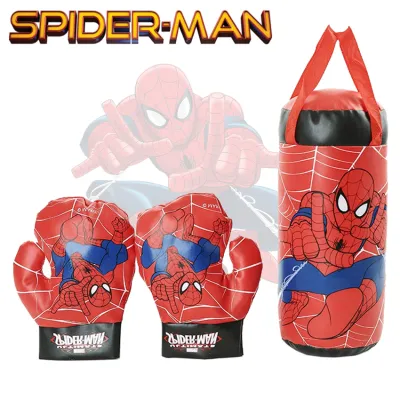
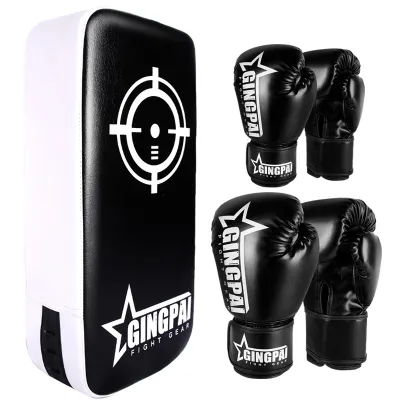
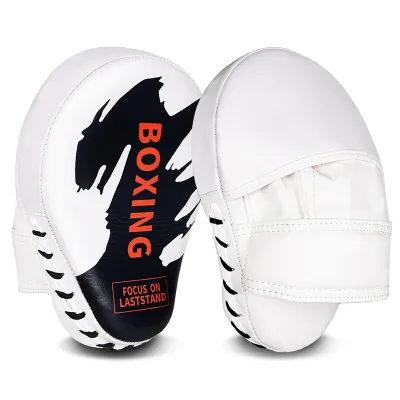


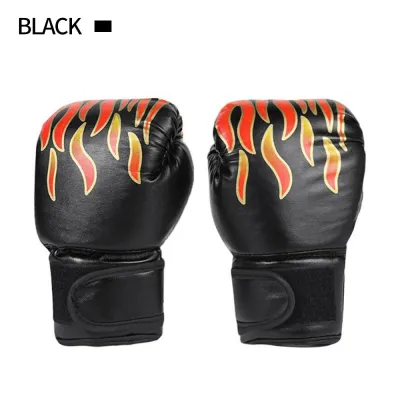
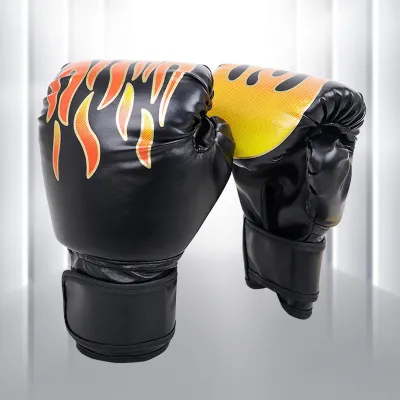
Prices are valid at publication and may change. Please refer to the product page for the latest price.
Before purchasing any kids boxing set, always prioritize reading the manufacturer’s age, height, and weight recommendations printed on the product label. These guidelines are established to ensure the structural integrity of the gear matches the typical physical output of that specific age bracket. Relying on these official specifications, rather than guessing based on visual size alone, is the first step in establishing a safe home training environment.
Key Dimensions to Compare in Kids Boxing Sets
When evaluating different options on the market, parents should break down their comparison into three main pillars: hand protection, striking targets, and supplementary safety gear. Each component plays a distinct role in the overall safety and usability of the set.

Understanding how these components interact allows you to make a balanced decision. A high-quality punching bag is of little use if the accompanying gloves fail to protect your child’s knuckles, just as premium gloves cannot compensate for an unstable, poorly designed bag base. Let us look closer at how to evaluate each of these essential elements.
Evaluating Glove Weight and Padding for Small Hands
When comparing youth boxing gloves, padding density and distribution are far more critical than the external size of the glove. High-quality kids’ gloves feature multi-layered foam padding designed specifically to disperse impact forces across small hands. Avoid gloves that feel overly soft or hollow, as the padding can easily bottom out under impact, leaving the knuckles unprotected.
To find the correct fit, verify the glove’s ounce (oz) rating against your child’s age and weight using the manufacturer’s sizing charts. Generally, younger children require lighter gloves (such as 4 oz or 6 oz) to prevent shoulder fatigue, while older kids and pre-teens transitioning to heavier bags may need 8 oz or 10 oz gloves for adequate protection. Never buy oversized gloves with the intention of having your child “grow into” them, as loose gloves fail to align the wrist properly.
Wrist support is another vital feature to compare. Look for wide, adjustable hook-and-loop (Velcro) closures rather than slip-on designs. These straps allow children to put on and take off their gloves independently while providing a secure, customizable wrap around the wrist to prevent bending or twisting during a strike.
Matching Punching Bag Size and Base Stability
Freestanding punching bags are highly popular for home use because they do not require drilling into ceilings or walls. However, their stability depends entirely on the design of the base. For homes with smooth tiled floors, which are common in warm, tropical climates, look for bases equipped with strong suction cups to prevent the unit from sliding during use.
When comparing bases, check the maximum fill capacity for sand or water. Sand generally provides a heavier, more stable foundation than water, reducing the risk of the bag tipping over when struck by older, stronger children. Ensure the base is constructed from thick, high-density polyethylene to prevent leaks or cracks over time.
Adjustability is crucial for accommodating growth spurts. The target area of the punching bag should ideally align with your child’s shoulder level, allowing them to practice straight punches without reaching too high or striking downward. Compare the height adjustment ranges of different sets to ensure the equipment can grow alongside your child for at least a few seasons.
Comparing Protective Gear and Adjustability Features
While gloves and a bag form the core of any kids boxing set, supplementary protective gear should not be overlooked. Some comprehensive sets include headgear, hand wraps, or mouthguards, while basic sets may omit these entirely. If your child plans to engage in light sparring or high-intensity training, verifying the inclusion and quality of these extra items is essential.
Hand wraps are particularly important for older children as they provide structural support to the many small bones in the hand. If a set includes headgear, check for adjustable hook-and-loop straps at the chin and back of the head to ensure a snug, non-slip fit. Headgear that slides around during movement can block a child’s vision, creating a safety hazard.
Be aware that entry-level sets often exclude specialized protective items like mouthguards or high-wrap wrist supports. If these are missing from the package, you will need to source them separately. Always factor the cost of these additional safety items into your overall budget when comparing different product options.
Matching Gear Specifications to Age Groups
To simplify your decision-making process, use the comparison framework below to match observable gear specifications to your child’s developmental stage. Always cross-reference these general guidelines with the specific product labels and safety warnings provided by the manufacturer.
| Age Group | Recommended Glove Weight | Bag Type & Base Requirements | Key Verification Checklist |
|---|---|---|---|
| Toddlers & Preschool<br>(Ages 3–5) | 4 oz to 6 oz | Inflatable or lightweight foam; water-filled base | – Check for soft, rounded edges<br>- Verify non-toxic material labels<br>- Ensure low resistance to protect joints |
| Early Elementary<br>(Ages 6–8) | 6 oz to 8 oz | Adjustable freestanding spring bag; sand or water base | – Verify height adjustability range<br>- Check for secure hook-and-loop wrist straps<br>- Inspect base suction cups |
| Pre-Teens<br>(Ages 9–12) | 8 oz to 10 oz | Heavy-duty freestanding bag or light hanging bag; sand-filled base | – Check foam density and padding layers<br>- Verify wrist support stiffness<br>- Ensure base capacity exceeds 15 kg |
When applying these guidelines, consider your child’s individual size and training intensity. If a child is taller or heavier than average for their age group, they may need to step up to the next specification level early. However, you must verify that the glove’s inner hand compartment still fits snugly; loose gloves should never be used, regardless of the child’s weight.
In humid, tropical environments, sweat and moisture can accumulate quickly inside synthetic materials. When comparing sets, look for gloves featuring mesh palms or ventilation holes. This design detail helps keep hands dry, improves grip, and prevents the buildup of odor-causing bacteria and mold inside the padding.
How to Verify Fit and Safety Before Use
Once you have purchased a kids boxing set, perform a thorough physical inspection before allowing your child to use it. Check all stitching along the seams of the gloves and the punching bag. Loose threads or uneven seams can quickly split under pressure, exposing the inner foam or filling material and compromising safety.
Test the stability of a freestanding bag before any high-force strikes are delivered. Fill the base completely according to the manufacturer’s instructions, then apply gradual manual pressure to the top of the bag to observe how it rebounds. The bag should return to its upright position smoothly without lifting the base off the floor or sliding excessively across your tiles or mats.
Regularly inspect the gear for signs of material degradation, especially if the equipment is stored in areas exposed to high humidity or direct sunlight. Over time, synthetic leather can crack, and plastic bases can become brittle. If you notice any structural compromises, such as a leaking base, compressed padding that no longer rebounds, or frayed straps, stop using the equipment immediately and consult the manufacturer for replacement parts or guidance.
Frequently Asked Questions (FAQ)
Can a child use adult boxing gloves if they physically fit inside them?
No, children should not use adult boxing gloves even if their hands seem to fit inside. Adult gloves are engineered with a weight distribution, thumb position, and padding density designed for mature bone structures and higher impact forces. Using them can cause a child’s hand to slide out of alignment, increasing the risk of wrist strain or knuckle injuries. Always choose youth-specific gloves designed for smaller hand proportions.
Do inflatable punching bags provide enough resistance for older kids?
Inflatable punching bags are generally unsuitable for older children and pre-teens. While they are excellent for toddlers practicing basic coordination, they lack the resistance and durability required for older kids developing real striking power. Older children will easily knock over or puncture inflatable designs. For kids aged six and up, a sturdier freestanding bag with a foam core and a weighted base is highly recommended.
How often should kids' boxing gear be replaced?
Kids’ boxing gear should be replaced as soon as you observe physical wear or when your child outgrows the adjustable limits of the equipment. Common signs of wear include compressed foam padding that feels flat, cracked synthetic leather, frayed wrist straps, or a leaking base. Additionally, if your child’s shoulder height exceeds the maximum adjustment level of the punching bag, or if their knuckles press uncomfortably against the front of the gloves, it is time to upgrade to a larger size.

Community discussion
Share your experience or ask a question. Comments are reviewed before publication.