
Selecting the ideal Mobi Garden tent requires matching the shelter’s design to your specific outdoor activities, physical limits, and the environments you plan to explore. Because the brand designs distinct product lines for different camping styles, a single model cannot serve as a universal solution for every outdoor setting. If you are planning a multi-day trek along mountain trails where every gram in your pack matters, your priorities will naturally lean toward lightweight materials and compact packed sizes. Conversely, if you are driving directly to a campsite in a tropical valley to spend the weekend with family, your focus will shift toward maximizing interior headroom, ventilation, and overall living comfort. By evaluating your primary camping style against key specifications, you can select a shelter that provides reliable protection and comfort without carrying unnecessary weight.
Define Your Camping Profile and Primary Use Case
To narrow down your choices, you must first establish your dominant camping scenario. Backpacking demands a strict focus on weight and packed volume because you must carry the entire shelter on your back over long distances and steep elevation gains. In this scenario, a heavy or bulky tent can lead to physical fatigue and reduce your overall safety on the trail. Car camping, on the other hand, removes physical carrying limits, allowing you to prioritize spaciousness, standing room, and convenient features that make a campsite feel like home.
Environmental conditions in the Philippines demand careful consideration of local weather patterns. High humidity, sudden tropical downpours, and warm nights require a tent design that balances water resistance with excellent airflow. If you plan to camp in coastal areas or exposed mountain ridges, you will also need to evaluate how well the tent’s structure can withstand sudden wind gusts. Assessing the typical terrain—such as sandy beaches, muddy forest floors, or rocky clearings—helps determine the type of stakes and anchoring systems you will need to secure your shelter.
Products mentioned in this guide
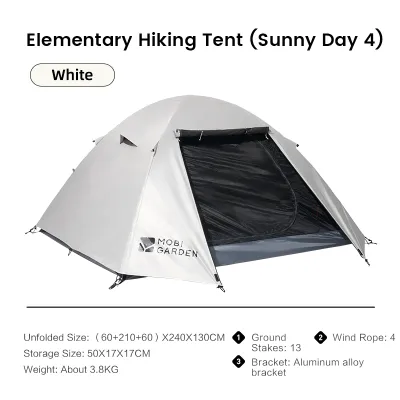
Prices are valid at publication and may change. Please refer to the product page for the latest price.
Finally, look closely at the actual number of occupants and their gear storage requirements. A common mistake is relying solely on the manufacturer’s nominal person-capacity rating without considering personal comfort zones. If you are camping with family or a group, you must account for the physical size of each sleeper, the width of your sleeping pads, and where you plan to store muddy shoes, backpacks, and cooking gear. Planning for a slightly larger capacity than your actual group size often prevents cramped, uncomfortable nights.
Core Comparison Dimensions for Mobi Garden Shelters
When comparing different models, looking past marketing descriptions and focusing on verifiable specifications is essential. The first dimension to analyze is the physical space and layout of the tent. Check the peak height to understand if you can sit up comfortably or stand inside the main cabin. Examine the floor dimensions to ensure your sleeping pads will fit side-by-side without overlapping. Additionally, look for models with generous vestibule areas—the covered spaces outside the inner tent doors—which provide crucial storage for wet gear, keeping your sleeping area clean and dry.

Weight and portability are the next critical factors to evaluate. Always check the official specifications for both the trail weight (the bare minimum weight of the tent body, rainfly, and poles) and the packed weight (which includes stakes, guylines, and carry bags). Compare these figures against your physical carrying capacity or the available space in your vehicle’s trunk. A tent that is too heavy for your backpacking style will quickly become a burden, while an overly fragile, ultra-lightweight tent might lack the structural durability needed for frequent family use.
Weather protection requires a close inspection of the materials and construction details listed on the product label. Look for the hydrostatic head rating, which indicates the fabric’s level of water resistance under pressure. For tropical climates prone to heavy rain, verify that the rainfly and floor fabrics have adequate ratings and feature fully taped seams to prevent water seepage. Pay close attention to the pole materials as well; lightweight aluminum poles generally offer a better strength-to-weight ratio and greater flexibility under wind loads compared to heavier fiberglass alternatives.
The setup system of the tent directly impacts your camping experience, especially when arriving at a campsite in low-light conditions or during sudden weather changes. Freestanding tents are highly versatile because they hold their shape without requiring stakes, allowing you to pitch them on hard ground, wooden platforms, or rocky surfaces before securing them. Non-freestanding designs rely on guylines and stakes to remain upright, which reduces overall weight but requires more skill and specific ground conditions to set up properly. Evaluate the pole connection mechanisms, such as clips or sleeves, to determine how quickly you can pitch the shelter when time is critical.
Scenario-Based Decision Framework
To finalize your selection, you can apply a conditional decision framework that maps your specific requirements to the appropriate category of Mobi Garden shelters. If your primary goal is to hike long distances, camp in remote backcountry sites, and minimize your physical load, you should focus on the brand’s lightweight trekking series. These models utilize thinner, high-tensile fabrics and streamlined pole configurations to keep packed weight to a minimum. While they offer less headroom and smaller living spaces, their portability makes them the correct choice for self-supported trail adventures.
If you drive directly to your campsite and prioritize comfort, social space, and ease of movement, you should choose the family or glamping models. These shelters feature tall peak heights, vertical walls that maximize usable interior volume, and often include multiple doors or internal room dividers for added privacy. They are constructed with heavier, more durable fabrics that can withstand frequent handling and extended stays. Although they are bulky and heavy to transport, they provide an excellent basecamp experience for groups and families who value comfort over mobility.
Before deploying any tent in challenging environments, you must verify its suitability for the expected conditions. If you plan to camp in severe weather, high-altitude areas, or highly exposed ridges, consult the manufacturer’s specific environmental guidelines, wind-load ratings, and safety limits. Do not assume a standard recreational tent can withstand extreme mountain storms. Always check the weather forecast before your trip, and be prepared to postpone your outing or seek alternative shelter if conditions exceed your equipment’s rated limits or your personal outdoor experience level.
Pre-Purchase Verification and Accessories Check
Before committing to a purchase, perform a thorough pre-purchase check to ensure you have all the necessary components for a successful trip. Verify what accessories are included in the box. Many tents do not come with a custom-fit footprint (groundsheet), which is essential for protecting the tent floor from sharp rocks, twigs, and rising ground moisture. If the footprint, extra stakes, or heavy-duty guylines are sold separately, factor these items into your overall budget to avoid unexpected expenses before your first trip.
It is also important to review the official warranty terms, return policies, and after-sales support available for the brand within the Philippines. Purchasing through authorized local distributors or official online stores ensures you have access to customer service if you encounter manufacturing defects or need replacement parts, such as a broken pole section or a damaged rainfly. Understanding the return process before you buy provides peace of mind and protects your investment.
Finally, evaluate the overall price-to-value ratio in ₱ based on your expected frequency of use and maintenance commitment. A higher-priced, premium model may represent a better long-term investment if you camp frequently and are committed to proper care, as its durable materials will offer a longer lifespan. If you only plan to camp once or twice a year in mild weather, a more budget-friendly model may offer excellent value while leaving room in your budget for other essential safety and comfort gear.
Frequently Asked Questions (FAQ)
How do I interpret the stated person-capacity on the tent label?
The person-capacity stated on a tent label represents the maximum number of people who can lie side-by-side inside the shelter under tight, shoulder-to-shoulder conditions. This rating typically assumes the use of standard, narrow sleeping pads and does not account for personal gear, backpacks, or comfortable movement. For a more realistic and comfortable camping experience, especially during family trips, it is highly recommended to size up by one or two persons. If you are two campers with gear, choosing a three-person or four-person tent will provide the necessary space to sleep comfortably and store your equipment protected from the elements.
What are the essential drying and storage steps to prevent mold?
To protect your tent fabric and prolong its lifespan, you must dry it completely before long-term storage, particularly in the humid climate of the Philippines. After returning from a trip, pitch the tent in a shaded, well-ventilated outdoor area or a dry indoor space to let all moisture evaporate from the rainfly, inner body, and floor. Never pack a damp tent away, as mildew can form quickly, destroying the waterproof coatings and causing unpleasant odors. Once fully dry, store the tent loosely in a breathable mesh or cotton storage bag in a cool, dry closet, rather than leaving it tightly compressed in its original travel stuff sack.

Community discussion
Share your experience or ask a question. Comments are reviewed before publication.