
Evaluating different Motur electric scooter models requires a systematic comparison of technical specifications, build quality, and safety features. Because riders have different body weights, daily travel distances, and local terrains, no single scooter model serves as a universal solution for every commuter. To find the model that aligns with your daily routine, you must analyze how motor power, battery capacity, and physical construction perform under real-world conditions.
Selecting an electric personal mobility device involves balancing performance with portability and regulatory compliance. In tropical environments where sudden downpours, high humidity, and uneven road surfaces are common, specific design elements like tire grip, braking systems, and water resistance become critical safety factors. By understanding how to read and verify these specifications, you can make an informed decision that ensures a safe, reliable, and comfortable ride.
Key Specifications to Compare Across Motur Models
Motor wattage is the primary indicator of a scooter’s performance, but you must distinguish between nominal and peak power ratings. Nominal wattage represents the continuous power the motor can safely maintain during normal riding conditions on flat ground. Peak wattage is the maximum power the motor can draw for short bursts, which is crucial for accelerating from a complete stop or climbing steep flyovers and ramps. When comparing Motur models, check the nominal wattage to understand the scooter’s everyday capability, as a higher nominal rating generally translates to better hill-climbing performance and less strain on the motor.
Products mentioned in this guide
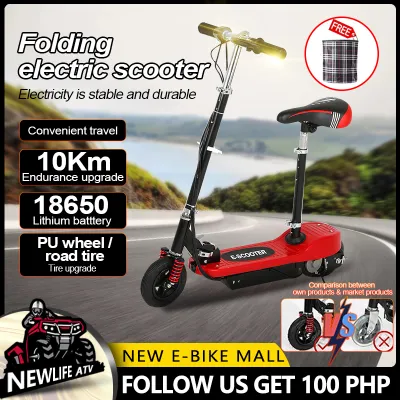
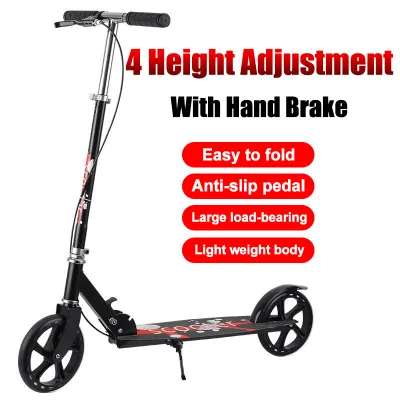
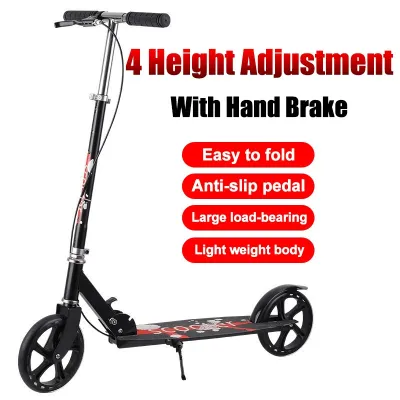
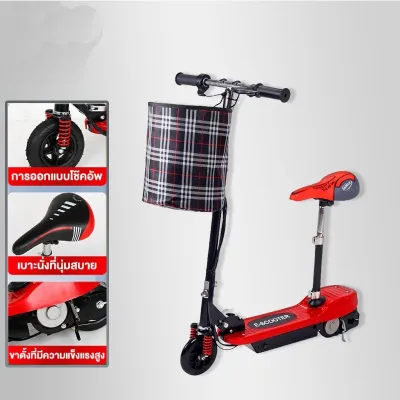
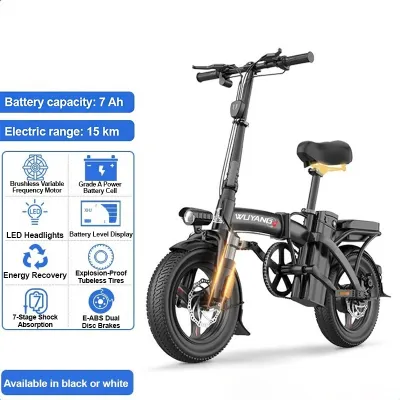
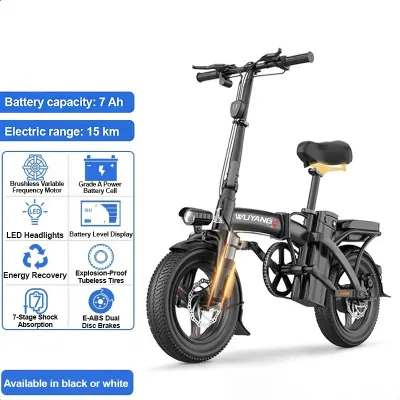
Prices are valid at publication and may change. Please refer to the product page for the latest price.
Battery capacity, typically measured in Ampere-hours (Ah) or Watt-hours (Wh), directly dictates how far you can travel on a single charge. To calculate Watt-hours, multiply the battery’s voltage by its Ampere-hour rating. While manufacturers provide an estimated maximum range, these figures are usually calculated under ideal testing conditions, such as a lightweight rider traveling at a constant low speed on flat, smooth pavement. When evaluating these claims, assume that real-world range will be lower, especially if your daily route involves frequent stops, steep inclines, or carrying heavy cargo.
Top speed limits are another essential specification to verify, particularly regarding local traffic regulations. Many regions enforce strict speed limits for electric personal mobility devices on public roads and designated bike lanes. Before purchasing a Motur model, verify whether the scooter’s top speed complies with local municipal guidelines and whether the device features speed-limiting modes that allow you to cap your velocity in crowded pedestrian zones.
Maximum load capacity and overall scooter weight are critical metrics for safety and portability. Exceeding the manufacturer’s specified load capacity can severely compromise the braking distance, strain the motor, and accelerate battery depletion. Simultaneously, you must consider the physical weight of the scooter itself. If your daily commute requires lifting the scooter into public utility vehicles, carrying it up office stairs, or storing it in a tight space, a lighter model with a lower battery capacity may be more practical than a heavy, long-range alternative.
Matching Motor Power and Range to Your Riding Needs
Your typical daily route should dictate the performance tier of the scooter you choose. For short, flat urban commutes of under five kilometers, a lightweight model with a modest motor (such as 250 to 350 watts nominal) is often highly efficient. These models are easier to maneuver through crowded streets and are light enough to carry comfortably. Conversely, if your commute spans longer distances or requires navigating steep hills and elevated bridges, you will need a model equipped with a more powerful motor and a larger battery capacity to prevent performance drops.

To estimate your real-world range accurately, you must adjust the official manufacturer specifications to account for external variables. Heavy rider weight, strong headwinds, low tire pressure, and stop-and-go traffic all increase energy consumption. In hot and humid tropical climates, battery efficiency can also fluctuate, and running the scooter at its maximum speed setting will deplete the battery much faster than riding in an eco-friendly mode. A practical rule of thumb is to choose a model with an official range that exceeds your daily round-trip distance by at least thirty to fifty percent.
High-performance motors and large-capacity batteries come with distinct trade-offs that affect daily usability. A larger battery pack significantly increases the overall weight of the scooter, making it less portable for multi-modal commuting. Additionally, high-capacity batteries require substantially longer charging times, sometimes taking eight to twelve hours to reach a full charge. You must decide whether the convenience of extended range outweighs the physical effort of carrying a heavier machine and the longer wait times at the charging outlet.
Evaluating Build Quality, Features, and Safety
Tire selection and suspension systems directly influence ride comfort, handling, and safety on unpredictable road surfaces. Pneumatic (air-filled) tires provide natural shock absorption and superior grip on wet pavements, but they require regular pressure checks and are susceptible to punctures from road debris. Solid rubber tires eliminate the risk of flat tires entirely, but they deliver a much harsher ride. If you select a model with solid tires, ensure it features a robust front or rear suspension system to absorb vibrations and maintain stability on uneven roads.
Braking systems are the most critical safety component on any electric scooter, especially when riding in wet conditions or navigating busy traffic. Disc brakes offer the strongest and most responsive stopping power, but they require periodic alignment and pad replacements. Drum brakes are enclosed within the wheel hub, protecting them from dirt, water, and physical damage, which makes them highly durable and low-maintenance. Electronic or regenerative brakes provide auxiliary stopping power and help recharge the battery slightly, but they should always be paired with a mechanical brake for emergency stops.
Visibility features are indispensable for low-light and night riding. When comparing Motur models, inspect the brightness and positioning of the integrated LED headlight, the visibility of the rear brake light, and the placement of side reflectors. The display console should also be bright and clear enough to read under direct, intense sunlight, showing essential information such as current speed, battery level, and active riding mode without distracting you from the road.
Folding mechanisms and water-resistance ratings determine how well a scooter handles daily wear and weather exposure. The folding hinge must lock securely with zero play or wobble, as a loose stem can lead to a loss of control while riding. Check the Ingress Protection (IP) rating of the model to verify its resistance to dust and water. A rating of IPX4 or higher indicates protection against water splashes from any direction, which is vital for surviving sudden tropical rain showers, though you should always avoid riding through deep puddles or heavy downpours to protect the internal electronics.
Verifying Pricing, Warranty, and Local Availability
To ensure a secure purchase, always verify current pricing and stock status through authorized online flagship stores or official brand websites. Avoid relying on outdated forum posts or unverified third-party listings, which may display incorrect prices or outdated model versions. Prices for electric scooters can fluctuate based on seasonal promotions, shipping fees, and import duties, so checking official channels guarantees you receive accurate ₱ pricing.
Warranty terms and after-sales support are critical factors that protect your investment over time. Before finalizing your purchase, confirm the warranty duration for major components, specifically the battery, motor, and electronic controller. Ensure that the seller has a physical service center or an established process for handling repairs, and verify that replacement parts like inner tubes, tires, brake pads, and chargers are readily available locally.
When browsing online marketplaces, learn to identify red flags in third-party listings that could indicate counterfeit products or grey-market imports. Be cautious of listings with prices that are significantly lower than the official retail average, as well as sellers who offer vague warranty descriptions or refuse to provide official receipts. Purchasing from unauthorized sellers often leaves you without technical support or access to genuine replacement parts if a component fails.
Frequently Asked Questions (FAQ)
Do I need a license or registration to ride an electric scooter?
In many jurisdictions, low-speed electric scooters with a maximum design speed below 25 km/h do not require a formal driver’s license or vehicle registration. However, regulations vary significantly by region and are subject to change. In the Philippines, the Land Transportation Office (LTO) classifies electric vehicles based on their speed and weight, restricting certain high-speed models to specific road types. You should always consult the latest LTO guidelines and check with your local barangay or municipal office regarding specific ordinances that govern where you can legally ride, such as designated bike lanes, sidewalks, or barangay roads.
How can I estimate the real-world charging time for my scooter?
To estimate the charging time, locate the battery capacity in Ampere-hours (Ah) and the charger’s output current in Amperes (A) on their respective product labels. Dividing the battery capacity by the charger output gives you a baseline number of hours; for example, a 10Ah battery charged with a 2A charger will take approximately five hours to reach near-full capacity, plus some additional time for the charger to balance the battery cells safely. To maximize battery lifespan, avoid letting the battery drain completely to zero percent, do not charge the scooter immediately after a long ride while the battery is still hot, and store the device in a cool, dry place away from direct sunlight.

Community discussion
Share your experience or ask a question. Comments are reviewed before publication.