
To select your first compound bow, you must match its mechanical specifications—specifically draw weight, draw length, and let-off—to your unique physical proportions and current strength level. Choosing a compound bow is not about finding the most powerful model on the market; it is about finding a highly adjustable setup that allows you to practice proper form without strain.
In tropical climates like the Philippines, where high humidity and heat can accelerate physical fatigue during outdoor practice sessions, choosing a manageable bow is even more critical. A bow that feels easy to pull in an air-conditioned shop can quickly become exhausting after an hour of shooting in a humid outdoor range. Prioritizing comfort and adjustability over raw speed ensures you build muscle memory safely and avoid shoulder injuries.
Understanding Draw Weight: Finding Your Comfortable Limit
Peak draw weight is the maximum amount of force required to pull the bowstring back to its full draw cycle. This specification is measured in pounds, and for compound bows, the peak weight occurs during the middle of the draw cycle before the cams roll over. While it is tempting to choose a high draw weight for faster arrow speeds, doing so can severely compromise your shooting form and safety.
Products mentioned in this guide
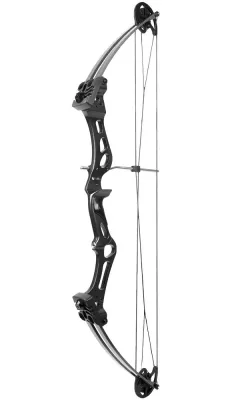
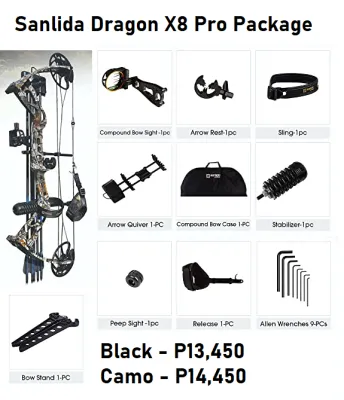
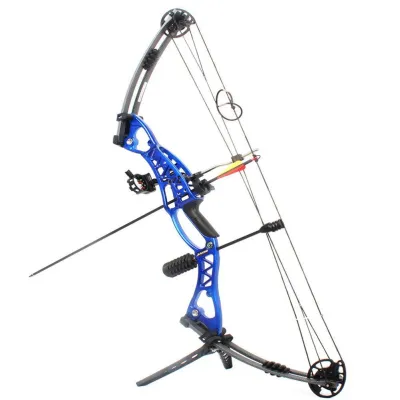
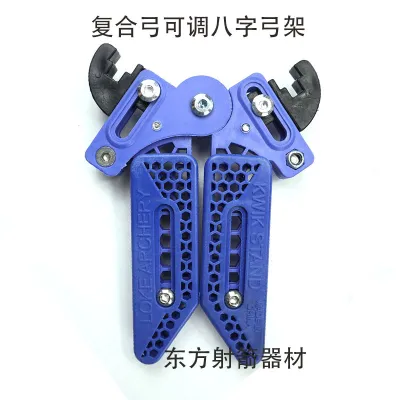

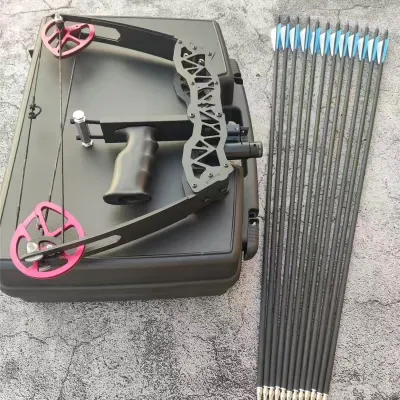
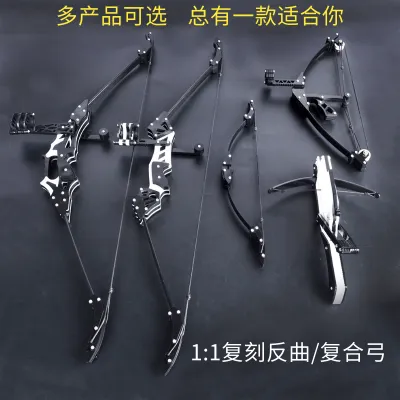
Prices are valid at publication and may change. Please refer to the product page for the latest price.
To test your comfortable limit, you should be able to draw the bow in one smooth, continuous motion without lifting your bow hand toward the sky or twisting your torso. If you must strain, shake, or use excessive body momentum to pull the string back, the draw weight is too high. Practicing with an excessively heavy bow can lead to repetitive strain injuries in your rotator cuff and back muscles.
For beginners, the most practical solution is selecting a bow with a wide, adjustable draw weight range. Many modern entry-level compound bows feature highly adjustable limbs that allow you to adjust the weight by 10 to 30 pounds. This adjustability means you can start at a highly manageable setting to master your form, then gradually increase the resistance as your back muscles adapt over time. Always verify the manufacturer’s instructions for adjusting the limb bolts, as backing them out too far can cause the bow to come apart under tension.
Measuring Draw Length: Why Proper Fit Matters
Draw length is the distance from the front of the bow grip to the string at full draw when you are in a proper shooting posture. This measurement is entirely determined by your physical body proportions, specifically your arm span. Having an accurate draw length is essential because it dictates where your hand rests against your face at full draw—a position known as your anchor point. A consistent anchor point is the foundation of repeatable accuracy in archery.

To find your baseline draw length, use the standard wingspan calculation method. Stand flat against a wall with arms extended straight out, parallel to the floor, and measure the distance from fingertip to fingertip in inches. Divide this total by 2.5 to estimate your starting draw length. While this formula provides an excellent baseline, individual shoulder width and anchor preferences may require minor adjustments.
Using a bow with an incorrect draw length can lead to poor shooting habits and physical discomfort. If the draw length is too long, you will be forced to lean your head back or overextend your bow arm, which can cause the bowstring to painfully slap your forearm upon release. If it is too short, you will struggle to find a stable anchor point, leading to inconsistent shots and hunched shoulders. Before purchasing, verify that the bow features an adjustable cam module that allows you to change the draw length without needing a specialized bow press, or consult a professional technician at a local archery pro shop to fine-tune the fit.
Demystifying Let-Off: How It Changes Your Hold
Let-off is a mechanical feature unique to compound bows that reduces the force required to hold the string at full draw. Expressed as a percentage, let-off represents the reduction in weight once the cams roll over at the end of the draw cycle. For example, if a bow has a peak draw weight of 50 pounds and a let-off of 80 percent, you only hold 10 pounds of tension when fully drawn.
This dramatic reduction in holding weight allows you to hold the bow steady for longer periods without muscle fatigue. For beginners and target archers, a higher let-off provides the valuable time needed to align the sight pins, control breathing, and execute a clean release. However, a very high let-off can sometimes make the bow feel “mushy” at full draw, as there is very little tension pulling back against your release aid, which can make it harder to maintain a crisp, active pull through the shot.
When comparing bows, check the manufacturer’s specifications for the exact let-off profile of the cam system. Some bows offer adjustable let-off settings, allowing you to choose between a higher percentage for relaxed aiming or a slightly lower percentage for a more responsive, solid back wall. Understanding how your specific cam system behaves at full draw will help you anticipate how the bow will feel during the critical aiming phase.
Prioritizing Specs for Your First Compound Bow
When selecting your first compound bow, focus on maximum adjustability rather than raw performance metrics. As a beginner, your physical strength, shooting form, and optimal draw length will evolve during your first few months of practice. Choosing a highly adjustable bow ensures that you will not need to purchase an entirely new setup as your skills and physical conditioning improve.
It is highly recommended to prioritize a smooth, comfortable draw cycle and a lower peak weight over high arrow speeds. While fast arrows are highly marketed, they require aggressive cam designs that are much harder to draw and hold, especially during long practice sessions in warm, humid environments. A bow that is easy to draw allows you to focus entirely on your alignment, grip, and release execution without fighting the equipment.
Additionally, verify the physical dimensions of the bow, specifically the axle-to-axle length and the brace height, as these factors heavily influence how forgiving the bow is to minor shooting errors. A longer axle-to-axle measurement and a taller brace height generally create a more stable, forgiving platform for beginners. Before making a final decision, review the manufacturer’s specification charts and, if possible, test-draw several configurations to find the balance that feels most natural to your body.
Frequently Asked Questions (FAQ)
Can I increase the draw weight of my compound bow later?
Yes, most modern compound bows feature adjustable limbs that allow you to increase the draw weight within a specific range. This adjustment is typically done by turning the limb bolts clockwise to increase tension, but you must stay strictly within the manufacturer’s specified limits. If you reach the maximum weight of your current limbs and wish to go heavier, you will need to purchase compatible replacement limbs or upgrade to a new bow model.
Does a higher let-off percentage make the bow easier to shoot?
A higher let-off percentage makes the bow significantly easier to hold and aim at full draw, but it does not reduce the effort required to pull the string through the peak weight of the draw cycle. You must still be physically capable of drawing the peak weight of the bow before you can benefit from the let-off. Additionally, some shooters find that a moderate let-off provides a cleaner release because the slight extra tension helps keep the string aligned.

Community discussion
Share your experience or ask a question. Comments are reviewed before publication.