
Carabiner strength ratings and gate types determine how much force a carabiner hook can safely handle and how it performs under specific climbing conditions. Understanding these technical specifications is essential for matching your gear to your climbing discipline, ensuring that every connection in your safety system is secure and reliable.
In tropical climbing environments—where high humidity, salt air near coastal crags, and sudden downpours are common—selecting the right carabiner hook involves looking closely at material corrosion resistance, gate mechanisms, and certified strength ratings. Making an informed choice helps keep your gear functioning smoothly and safely throughout its lifespan.
Understanding Carabiner Strength Ratings (kN)
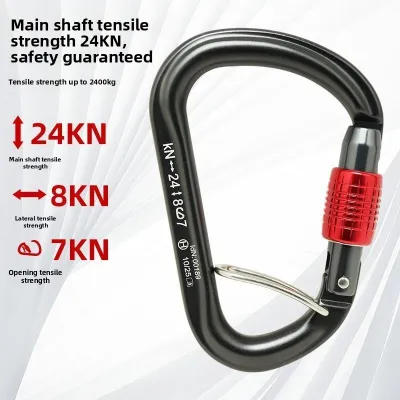
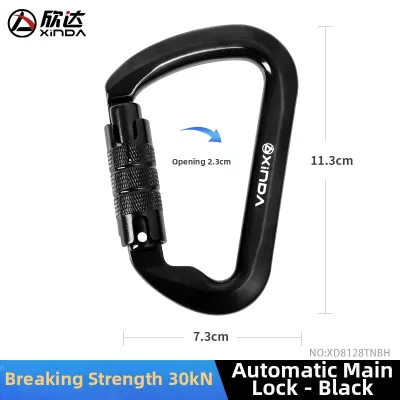
The markings stamped onto the spine of a climbing carabiner hook are not just random numbers; they are critical safety specifications measured in kilonewtons (kN). One kilonewton represents a unit of force rather than static weight, roughly equivalent to the force exerted by 100 kilograms of mass under standard gravity. When you inspect a certified carabiner, you will typically see three distinct ratings: major axis, minor axis, and open gate.
Products mentioned in this guide
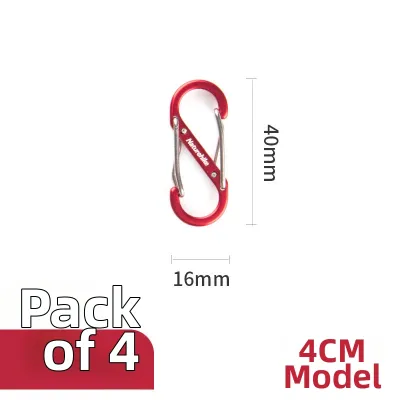
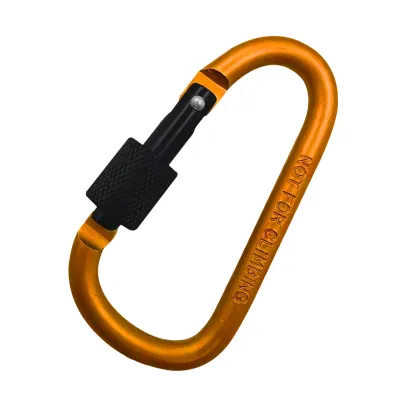
![【FURONGHUA】[Soccerhouse] Multifunction Carabiner Screwdriver Bottle Opener D-Ring Keychain Clip Hook Mountaineering Climbing Buckle](https://img.lazcdn.com/g/p/ba11b05ecce57caa7a4e039dfae6bd58.jpg_400x400q80.jpg_.webp)
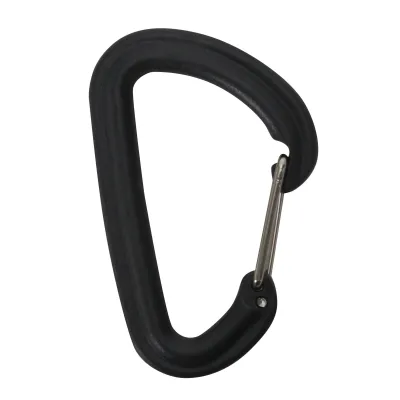
Prices are valid at publication and may change. Please refer to the product page for the latest price.
The major axis rating represents the carabiner’s strength when loaded end-to-end along its spine with the gate fully closed. This is the strongest orientation and the primary way a carabiner is designed to bear loads during a fall.
The minor axis rating indicates the strength when the carabiner is cross-loaded, meaning the force is pulling sideways against the gate and spine. This rating is significantly lower because the structural design is not optimized to handle lateral forces.
The open gate rating shows the strength of the carabiner if the gate is forced open or fails to close completely during a load event. This is typically the lowest rating of the three, highlighting why keeping the gate closed is critical for your safety.
Always check the manufacturer’s technical specifications for exact load limits and application boundaries. Do not assume a higher numerical rating is universally better; a heavier carabiner with a massive kN rating might add unnecessary weight to your harness without providing any practical safety benefit for your specific climbing style.
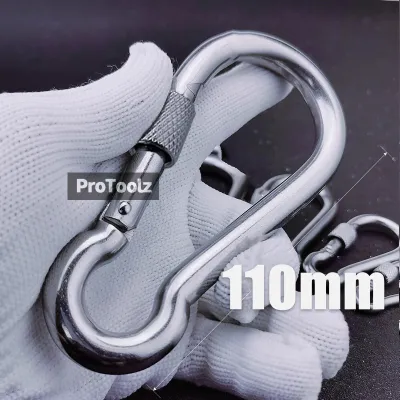
Crucially, distinguish between load-bearing climbing carabiners and accessory-only hooks. Accessory hooks, often sold for keys or light gear organization in local outdoor shops, lack these stamped kN ratings and are not built to support human weight. Using an unrated accessory hook in a life-critical connection can lead to immediate failure under load.
Gate Types and Their Climbing Applications
Carabiner gates generally fall into two main categories: solid gates and wiregates. Solid gates are robust and offer a familiar, smooth clipping action, making them popular for quickdraws used in sport climbing.

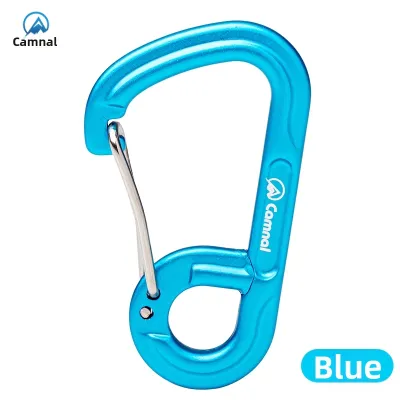
Wiregates utilize a loop of stainless steel wire instead of a solid metal bar. This design reduces overall weight and minimizes the risk of gate flutter, a phenomenon where the gate momentarily opens due to inertia during a fall or when the carabiner strikes a rock. Additionally, wiregates are less prone to freezing or clogging with dirt, which is highly beneficial in muddy tropical approach trails or alpine environments.
Locking mechanisms add an extra layer of security by preventing the gate from opening accidentally. Screwgates require the user to manually spin a threaded sleeve to lock the gate, offering simplicity and reliability in dusty conditions.
Auto-locking and twist-locking mechanisms utilize spring-loaded sleeves that automatically lock when the gate closes. These are highly recommended for belay devices, master points on anchors, and any life-critical connection where manual locking might be overlooked.
Before purchasing a carabiner hook, physically inspect the gate action. Check the spring tension to ensure the gate snaps shut quickly and completely, and examine the nose design. Keylock noses, which eliminate the small notch found on traditional hook-nosed carabiners, prevent the rope or bolt hangers from snagging during clips and cleans.
Carabiner Shapes and Material Considerations
The shape of a carabiner hook dictates how it distributes loads and manages ropes. Asymmetric D-shape carabiners are the most common choice for modern climbing because they naturally guide the rope toward the stronger spine side, maximizing strength-to-weight efficiency.
Standard D-shape carabiners offer similar load-alignment benefits but with a slightly wider gate opening, making them highly versatile for general rigging. Oval shapes, on the other hand, feature a symmetrical design that keeps gear centered, making them ideal for aid climbing, pulley systems, and organizing gear on your harness without shifting.
Material choice directly impacts both weight and durability. Most climbing carabiners are made from high-strength aluminum alloys, which offer an excellent balance of lightweight performance and structural integrity. You can verify the material grade and compliance by checking the product labels and technical manuals.
Steel carabiner hooks are significantly heavier but offer exceptional wear resistance. Because of their weight, steel carabiners are rarely carried on a standard climbing rack; instead, they are typically reserved for top-rope anchors, rescue operations, and high-friction environments where aluminum would wear down too quickly.
Verifying Safety Certifications and Usage Limits
When purchasing a carabiner hook, always verify that it features legitimate safety certifications stamped directly onto the metal body. Look for the CE mark (followed by a four-digit laboratory code) and the EN 12275 standard, or the UIAA (International Climbing and Mountaineering Federation) logo, which confirm the gear has passed rigorous safety testing.
Establish a routine visual inspection checklist before every climbing session. Check the gate hinge for smooth operation and ensure the gate aligns perfectly with the nose. Look closely for deep grooves worn into the metal by rope friction, sharp edges that could damage your rope, and any signs of corrosion or micro-fractures.
Pay close attention to the metal’s surface if you climb near coastal areas, as salty air can accelerate oxidation. If you notice sticky gate action that does not improve after cleaning, or if there is visible pitting on the load-bearing surfaces, the gear must be retired.
Additionally, retire any carabiner immediately if it has been subjected to a severe drop onto a hard surface, exposed to extreme heat, or contaminated by corrosive chemicals like battery acid or strong solvents. When in doubt, follow the manufacturer’s specific retirement timeline and inspection guidelines to ensure your safety system remains uncompromised.
Frequently Asked Questions (FAQ)
Can I use a non-climbing carabiner hook for climbing?
No, non-climbing carabiner hooks must never be used for climbing or any load-bearing safety application. These utility or keychain hooks lack standardized kilonewton (kN) testing, do not carry UIAA or CE safety certifications, and are not engineered to absorb the dynamic forces generated during a climbing fall. Only use carabiners that are explicitly manufactured, tested, and certified for climbing and mountaineering to support human weight.
How do I clean and maintain my carabiners?
To clean your carabiners, wash them in warm water mixed with a mild, non-corrosive soap to remove dirt, salt, and grime. Rinse them thoroughly with clean water and allow them to air dry completely away from direct sunlight and heat sources. Always consult the manufacturer’s specific guidelines for approved lubricants to apply to the gate hinge, and avoid using harsh chemical solvents or wire brushes that could degrade the metal or its protective finish.

Community discussion
Share your experience or ask a question. Comments are reviewed before publication.