
When shopping for an electric scooter, the technical specifications sheet can quickly become overwhelming. Terms like wattage, voltage, and torque are frequently highlighted by manufacturers, but their real-world impact on your daily ride is often left unexplained. Understanding these three core metrics is the key to choosing a scooter that matches your body weight, local terrain, and commuting needs without overpaying for unnecessary power.
At its simplest, motor wattage determines how much work the motor can perform, voltage influences the potential top speed and overall system efficiency, and torque dictates how easily the scooter accelerates and climbs steep inclines. Balancing these specifications allows you to find a reliable ride that handles your environment safely and efficiently.
Understanding Motor Wattage: Peak vs. Rated Power
Motor wattage is the most common metric used to market electric scooters, but it is frequently misunderstood due to the distinction between rated and peak power. Rated power, also known as continuous wattage, represents the amount of power the motor can safely sustain over long periods without overheating or sustaining damage. This is the true measure of a scooter’s everyday performance, determining its ability to maintain cruising speeds on flat ground.
Products mentioned in this guide
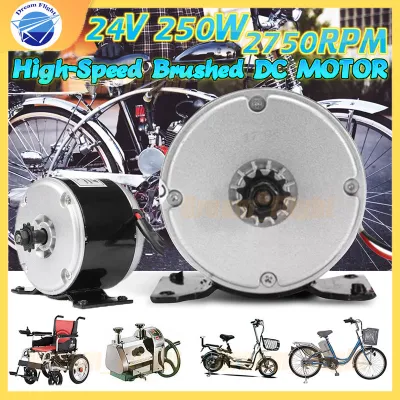
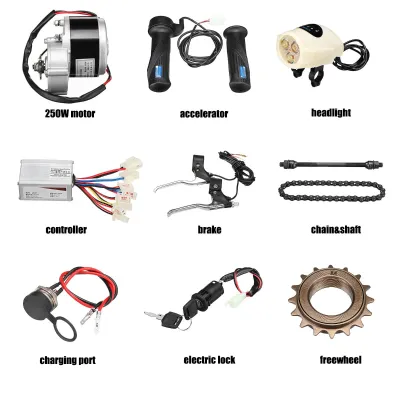
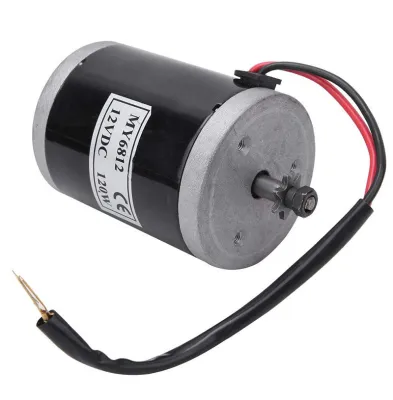
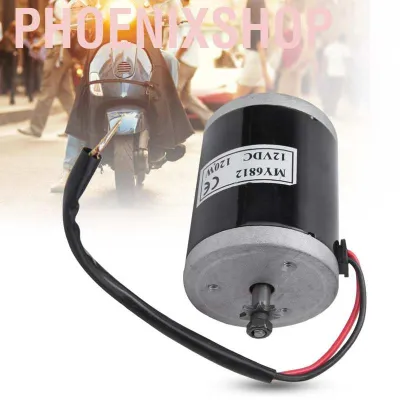
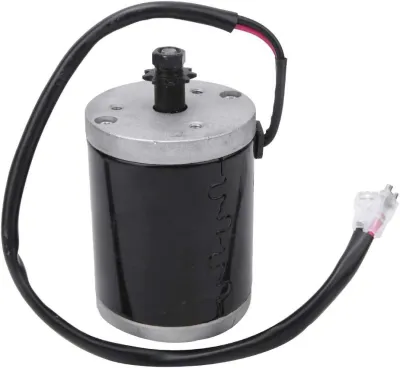
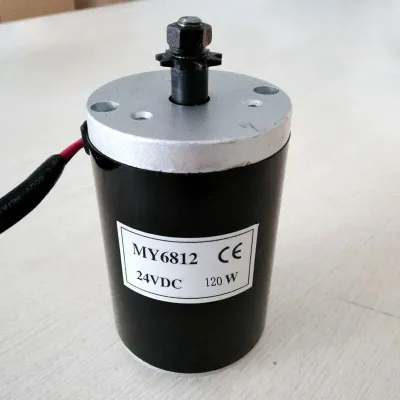
Prices are valid at publication and may change. Please refer to the product page for the latest price.
Peak power, on the other hand, refers to the maximum wattage the motor can draw for very short bursts. This temporary surge is useful when accelerating from a complete stop or pushing through a brief, steep ramp, but the motor cannot sustain this level of output without risking thermal damage. Manufacturers often highlight peak wattage in bold lettering because it is a much higher number, which can mislead buyers into expecting higher sustained performance.
To make an informed decision, always look past the primary marketing headlines and locate the continuous or nominal power rating on the manufacturer’s specification sheet. If a specification sheet only lists a single wattage figure without clarifying whether it is rated or peak, you should verify this detail with the manufacturer or check the user manual. Relying solely on peak power figures can lead to purchasing a scooter that struggles to maintain speed during longer commutes.
How Voltage Affects Speed and System Compatibility
System voltage acts as the electrical pressure that drives current through the scooter’s motor. In practical terms, a higher system voltage allows the motor to spin faster, which directly influences the scooter’s top speed potential. While a lower-voltage system might cap your speed early, a higher-voltage configuration provides the electrical headroom needed to sustain faster travel without straining the components.

Operating a high-voltage motor requires a fully compatible ecosystem of parts, meaning the battery pack, electronic speed controller, and motor must all be designed to operate at the exact same voltage. The controller acts as the brain, regulating how much of this voltage is delivered to the motor based on your throttle input. Attempting to mix incompatible parts can lead to immediate system failure or severe electrical hazards.
Because of these strict compatibility requirements, you should always consult the manufacturer’s user manual and warranty guidelines before considering any electrical modifications. In tropical climates like the Philippines, high humidity and sudden heavy downpours introduce additional risks of moisture ingress and short circuits. Modifying your system’s voltage not only voids your warranty but can also compromise the built-in safety seals designed to protect the electrical system from wet road conditions.
Torque and Hill-Climbing Ability
Torque is the rotational force produced by the electric scooter motor, and it is the primary factor that determines how quickly you accelerate and how well the vehicle handles inclines. While wattage represents overall work capacity, torque is the physical muscle that pushes you forward. High torque is essential for getting a heavy vehicle moving from a complete standstill and for maintaining momentum when gravity is working against you.
Your required torque depends heavily on your total payload and the terrain you navigate. A heavier rider or someone carrying a loaded backpack will require significantly more torque to climb the same hill as a lighter rider. If a motor lacks sufficient torque, it will bog down on inclines, drawing excessive current and generating heat, which can eventually trigger a thermal shutdown to protect the electronics.
When evaluating hill-climbing claims, do not assume that a higher wattage rating automatically guarantees better climbing performance. Instead, use this checklist to verify a scooter’s climbing capability:
- Check the manufacturer's official maximum incline rating, which is typically expressed in degrees or percentages.
- Verify the rider weight used to establish that incline rating, as performance drops as payload increases.
- Look for dual-motor configurations if you face exceptionally steep hills, as distributing power to both wheels greatly improves traction and climbing force.
- Confirm the motor type, as gearless hub motors and geared hub motors deliver torque differently depending on the speed.
Matching Motor Specs to Your Riding Environment
Selecting the right electric scooter motor requires a realistic assessment of your daily route and physical requirements. For flat urban commuting on paved city streets, a scooter with moderate continuous wattage and voltage is highly efficient. These models are generally lighter, making them much easier to carry up office stairs, lift into car trunks, or transport on public transit systems.
If your daily route involves steep flyovers, rolling hills, or if you fall into a heavier weight category, prioritizing higher continuous wattage and torque is essential. A robust motor setup ensures you can climb inclines safely without dropping to a crawl, which can be dangerous when riding alongside urban traffic. However, keep in mind that larger motors and high-capacity batteries will increase the overall weight of the scooter.
Before finalizing your purchase of a high-performance model, always verify the latest electric scooter regulations and speed limits set by the Land Transportation Office (LTO) in the Philippines. Certain high-wattage or high-speed categories may require specific registration, licensing, or safety gear, and they may be restricted from operating on major public highways. Matching your scooter’s specifications to both your physical environment and local legal frameworks ensures a safe, compliant, and enjoyable ride.
Frequently Asked Questions (FAQ)
Can I upgrade my electric scooter motor to a higher wattage?
Upgrading to a higher-wattage motor is rarely a simple swap because the motor must remain compatible with your existing controller and battery. A more powerful motor demands more current, which can easily overload a stock controller or trigger the battery’s protective management system to shut down. Additionally, unauthorized electrical modifications void your manufacturer warranty and can introduce serious thermal and electrical safety risks, especially when exposed to high humidity and wet road conditions.
Does a higher wattage motor always mean a faster scooter?
No, a higher wattage rating does not automatically guarantee a higher top speed. Top speed is primarily limited by the system’s voltage, the motor’s internal physical design, and the speed limiters programmed into the electronic controller. A higher-wattage motor operating at the same voltage as a lower-wattage model will typically offer faster acceleration, better weight capacity, and superior hill-climbing performance, rather than a higher maximum flat-ground speed.

Community discussion
Share your experience or ask a question. Comments are reviewed before publication.