
When shopping for a heavy-duty camping tent, the label “heavy duty” is often used as a generic marketing term. A truly rugged tent is defined by measurable specifications: the thickness and weave of its fabric, the material of its poles, and the precise rating of its waterproof coatings. Understanding these technical details helps you avoid overpaying for marketing hype and ensures your shelter can withstand torrential rains, high winds, and rough terrain.
Fabric and Denier: Beyond the Marketing Numbers
Denier (D) measures the fiber thickness of individual threads in tent fabric, representing the weight in grams of 9,000 meters of the fiber. A higher denier number, such as 150D or 300D, indicates thicker, heavier, and more abrasion-resistant threads compared to a lightweight 20D or 40D backpacking fabric.
However, a higher denier does not automatically make a tent better for every camping scenario. While a thick 150D polyester floor provides excellent puncture resistance on rocky ground, it also adds significant weight and bulk to your pack, making it less suitable for long-distance hiking.
Products mentioned in this guide
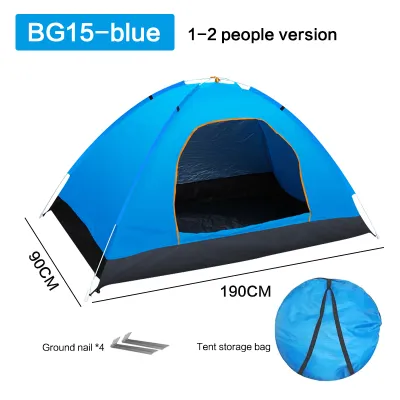
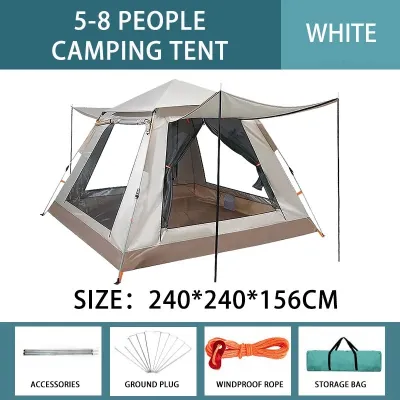
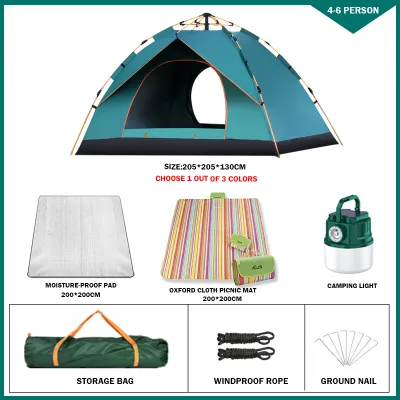
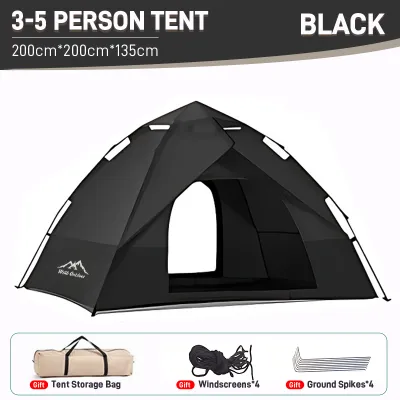
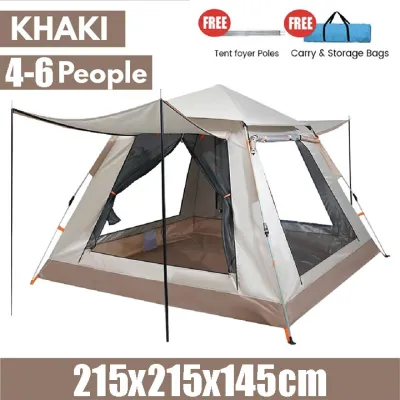
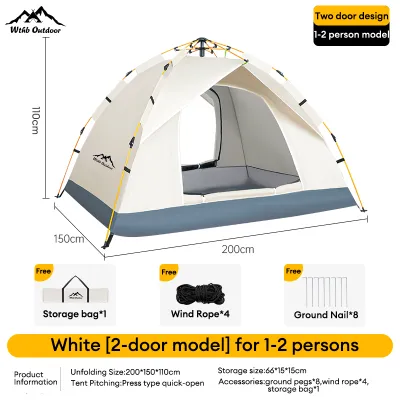
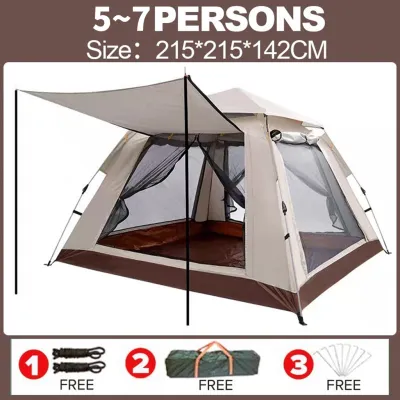
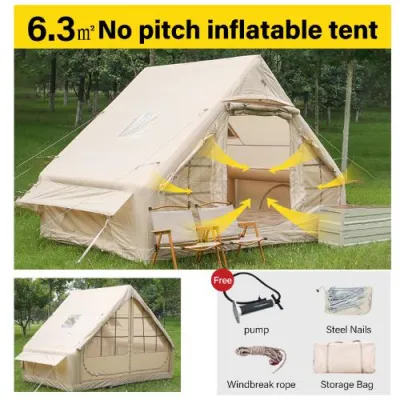
Prices are valid at publication and may change. Please refer to the product page for the latest price.
When evaluating heavy-duty materials, you will primarily encounter nylon, polyester, and canvas. Nylon is highly elastic with an excellent strength-to-weight ratio, but it stretches when wet and degrades under ultraviolet (UV) rays. Polyester is heavier and less stretchy, but it resists UV damage and does not sag when wet, making it ideal for heavy-duty rainflies. Canvas offers exceptional durability and breathability, but it is incredibly heavy, bulky, and requires seasoning to become waterproof.
To ensure structural integrity, look for structural weaves like ripstop. Ripstop fabrics are woven with a reinforcing technique where heavier threads are interwoven at regular intervals in a grid pattern. You can visually inspect the fabric for this characteristic crosshatch pattern. If a tear occurs, the stronger grid threads help prevent the rip from spreading across the panel. When browsing online marketplaces or physical stores, check the product specifications for terms like “ripstop polyester” or “ripstop nylon” to verify this structural feature.
Pole Architecture: The True Backbone of Heavy Duty Tents
The frame of your tent determines whether it will stand firm during a sudden storm or collapse under pressure. Pole materials vary significantly in strength-to-weight ratios, flexibility, and failure modes. Fiberglass poles are common in budget tents; they are inexpensive but heavy, relatively brittle, and tend to splinter or shatter completely when bent past their limit.

For a genuinely heavy-duty setup, aluminum poles (particularly 7000-series alloys like 7001 or 7075) are the standard. Aluminum offers a much higher strength-to-weight ratio, flexes safely under high winds, and is far more likely to bend rather than snap catastrophically.
Beyond the material itself, pay close attention to pole diameter and wall thickness. Thicker poles—typically 9.5 mm to 11 mm or larger for medium-to-large tents—provide greater structural rigidity and load-bearing capacity than standard 8.5 mm poles. While thicker walls add weight, they prevent the poles from buckling under heavy wind or rain loads.
The overall geometry of the frame also dictates stability. Geodesic or semi-geodesic designs, where poles cross over each other multiple times, distribute tension across the entire structure. This design allows the tent to shed wind and water efficiently from any direction. Additionally, inspect the hub connections where poles meet. Heavy-duty tents often utilize solid aluminum hubs or reinforced molded connectors rather than thin plastic joints, ensuring the primary stress points do not fail under pressure.
Waterproofing and Hydrostatic Head Ratings Explained
Waterproofing in modern tents is measured by the Hydrostatic Head (HH) rating, expressed in millimeters (mm). This rating indicates the pressure of a vertical column of water that the fabric can support before water starts to penetrate; a 1,500mm rating means the fabric can withstand a 1,500-millimeter column of water pressing against it.
For reliable protection in heavy downpours, look for a rainfly rated at least 1,500mm to 3,000mm. The tent floor requires a much higher rating—often 3,000mm to 5,000mm or more—because your body weight creates localized pressure that can force ground moisture through less resistant fabrics.
However, a high HH rating on paper is useless without proper construction details. Examine the product specifications for fully taped seams, where a waterproof tape is heat-sealed over the stitching to cover the needle holes. Look for heavy-duty, polyurethane-coated zippers with protective storm flaps, and a bathtub-style floor. A bathtub floor uses a continuous piece of waterproof fabric that wraps several inches up the sides of the tent before meeting the wall seams, keeping ground runoff from seeping inside.
Keep in mind that extreme waterproofing comes with a practical trade-off: reduced breathability. In warm, humid tropical climates like the Philippines, a highly waterproof, non-breathable tent can trap warm air and moisture from your breath, leading to heavy interior condensation. To manage this, ensure the tent features adjustable low-to-high vents, mesh panels, and a rainfly design that allows adequate airflow beneath the fabric.
How to Match Heavy Duty Specs to Your Actual Needs
Selecting the right heavy-duty tent requires balancing your camping environment with the physical weight you are willing to carry. For basecamping or car camping where weight is not an issue, prioritizing thick 150D+ polyester fabrics, heavy steel or thick aluminum poles, and high waterproof ratings ensures a long-lasting shelter.
For high-altitude alpine expeditions, you need a specialized four-season tent with high-tensile aluminum poles, a geodesic frame, and ripstop nylon to handle wind and snow, while keeping weight manageable. Casual fair-weather campers, however, may find that ultra-heavy-duty specs add unnecessary bulk, weight, and cost (often exceeding ₱10,000 or more) for benefits they will rarely utilize.
To avoid marketing fluff, watch out for red flags in product descriptions. Be skeptical of listings that claim a tent is “heavy duty” or “hurricane-proof” but fail to list the specific denier, pole material, or hydrostatic head rating. If a manufacturer uses vague terms like “water-resistant fabric” without providing a millimeter rating, or lists “reinforced poles” without specifying if they are fiberglass or aluminum, it is highly likely a standard recreational tent dressed up in marketing jargon.
Frequently Asked Questions (FAQ)
Does a heavier tent always mean it is more durable?
Not necessarily. While traditional heavy canvas and thick polyester fabrics are highly durable, modern high-tech materials like high-tenacity nylon or specialized composite fabrics offer exceptional tear strength and weather resistance at a fraction of the weight. Additionally, a tent might be heavy simply due to bulky steel poles, extra storage pockets, or large plastic hubs, rather than superior structural durability or fabric quality. Always check the specific material grades and pole alloys rather than relying on total weight as an indicator of strength.
How should I care for a heavy duty tent to maximize its lifespan?
To preserve factory waterproof coatings and fabric strength, clean your tent using a soft sponge, cool water, and a mild, non-detergent soap. Avoid harsh chemical cleaners, washing machines, and dryers, which can strip the polyurethane coatings and damage the taped seams. Always ensure the tent is completely dry before packing it away. Storing a damp tent, even for a few days, promotes the growth of mold and mildew, which can permanently degrade the fabric and cause the waterproof backing to peel. Store it loosely in a cool, dry place out of direct sunlight.

Community discussion
Share your experience or ask a question. Comments are reviewed before publication.