
Selecting a heavy-duty stainless steel carabiner for climbing requires a deep understanding of technical specifications, material properties, and safety standards. While these robust connectors offer exceptional durability, they are specialized tools designed for specific rigging and environmental conditions rather than universal solutions for every climbing discipline. Before relying on any hardware, you must recognize that high-risk outdoor activities demand proper training, sound judgment, and strict adherence to manufacturer instructions. No piece of equipment can substitute for professional instruction and regular safety assessments. To determine if a carabiner is qualified for your climbing or rigging needs, you must verify its load ratings, steel grade, geometry, and certified safety markings.
Reading Load Ratings and Gate Strength Axes
Every climbing carabiner must display its strength ratings stamped directly onto its spine, typically measured in kilonewtons (kN). One kilonewton represents approximately 100 kilograms of force, indicating the minimum breaking strength under specific test conditions. When inspecting a heavy-duty carabiner, you will find three distinct ratings: the major axis, the minor axis, and the open-gate strength. Understanding how these forces interact with the metal structure is fundamental to preventing gear failure during a fall or heavy rigging operation.
The major axis rating represents the carabiner’s maximum strength when the gate is closed and the load is aligned perfectly along its spine. This is the strongest orientation, designed to bear the primary forces of a fall or static load. In contrast, the minor axis rating—often referred to as cross-loading—measures the strength when force is applied sideways against the gate. Cross-loading significantly reduces the load capacity of the connector, making it a dangerous configuration that you must actively avoid during setup.
Products mentioned in this guide
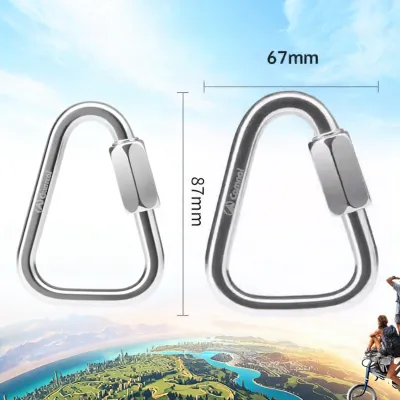
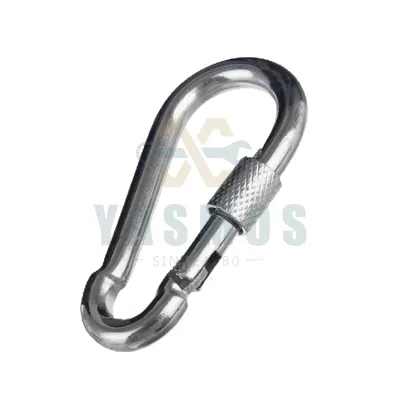
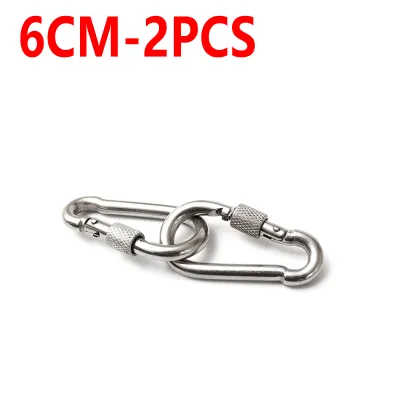
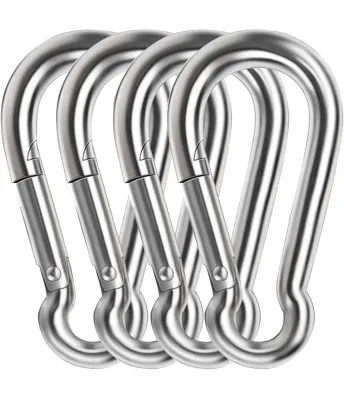
Prices are valid at publication and may change. Please refer to the product page for the latest price.
The open-gate rating indicates the strength of the carabiner if a rope or movement accidentally forces the gate open during a load event. Because the structural loop is broken when the gate is open, this rating is always the lowest of the three. When selecting a heavy-duty stainless steel model, you must verify that all three stamped values meet or exceed the safety margins required by your specific rigging plan or climbing discipline. Never assume a carabiner is safe simply because it feels heavy; always cross-reference the stamped kN values with the manufacturer’s technical manual to ensure it matches your operational limits.
Assessing Stainless Steel Grades for Corrosion and Durability
When choosing between stainless steel and aluminum carabiners, you are primarily balancing weight against environmental durability. Aluminum is the standard for personal climbing gear due to its lightweight properties, but it wears down quickly when exposed to abrasive ropes, sandy environments, or constant friction. Stainless steel, while significantly heavier, provides exceptional resistance to abrasion and wear, making it the preferred choice for permanent anchor installations, top-rope setups, and heavy rigging.

The specific alloy of stainless steel used in manufacturing determines how well the carabiner will withstand environmental stressors. For instance, in highly humid tropical climates like the Philippines, coastal crags are constantly exposed to salt spray and intense moisture, which can accelerate rust and stress corrosion cracking. You should consult the manufacturer’s technical documentation to verify the exact steel grade, such as 304 or 316 stainless steel. Grade 316 generally offers enhanced resistance to marine environments due to the addition of molybdenum, whereas Grade 304 is highly durable but may show surface tea-staining faster under coastal conditions.
It is critical to remember that no metal is entirely rust-proof. Even high-grade stainless steel can degrade if subjected to prolonged exposure to corrosive chemicals, stagnant saltwater, or improper storage. You must align your material selection with the exact environmental conditions of your venue and avoid assuming that all stainless steel alloys will perform identically under extreme tropical humidity or marine exposure.
Choosing the Right Shape and Locking Mechanism
The geometry of a carabiner dictates how it distributes loads and how easily it integrates into your climbing system. D-shaped and offset-D carabiners are highly common in heavy-duty applications because their asymmetrical design naturally forces the rope or load along the major axis, closest to the strong spine. Pear-shaped or HMS carabiners feature a wider top opening, making them ideal for hosting multiple knots, rigging master points, or belaying, though they may distribute loads slightly less efficiently than a dedicated D-shape.
Beyond shape, the locking mechanism is your primary defense against accidental gate opening. Non-locking carabiners are suitable for quickdraws and gear organization, but locking mechanisms are mandatory for any life-safety connection, anchor point, or belay setup. Common locking designs include manual screwgates, which require you to physically thread the sleeve closed, and auto-locking gates that snap shut and lock automatically upon closing. When working in muddy, sandy, or highly humid environments, manual screwgates are often preferred because they have fewer internal spring mechanisms that can jam with debris.
While heavy-duty stainless steel carabiners offer outstanding longevity, their physical weight is a major factor to consider. Carrying a full rack of steel connectors on your harness will quickly cause fatigue, which can compromise your climbing technique and safety. You must carefully balance the need for extreme durability at fixed anchor points or rigging stations with the physical burden of carrying extra weight during active ascents.
Verifying Safety Certifications and Performing Pre-Use Checks
Before trusting your life to any climbing hardware, you must verify that it complies with recognized international safety standards. Look for official certification markings stamped directly onto the carabiner body, such as the CE mark or the UIAA logo. These markings indicate that the gear has undergone rigorous standardized testing to meet specific safety and performance criteria. If a carabiner lacks these markings, or if the stamps are illegible, it should not be used for life-safety applications.
In addition to physical markings, you should consult the manufacturer’s official website or product documentation to access batch testing records and verify the expected lifespan of the gear. Unlike textile equipment, metal hardware does not have a strict shelf-life expiration, but its operational lifespan is highly dependent on usage, wear, and environmental exposure. Establish a clear retirement protocol based on the manufacturer’s guidelines to ensure compromised gear is never kept in service.
Before every use, perform a thorough visual and tactile inspection of each carabiner. Check the metal body for deep scratches, gouges, sharp edges, or signs of corrosion, and look closely for micro-fractures that can compromise structural integrity. Test the gate action to ensure it opens smoothly and snaps shut completely under its own spring tension, and verify that the locking sleeve threads or rotates without sticking. If you detect any sluggishness, excessive play in the hinge, or visible wear exceeding the manufacturer’s limits, you must immediately retire and physically destroy the carabiner to prevent accidental reuse.
Frequently Asked Questions (FAQ)
Can I use a heavy-duty stainless steel carabiner for all types of climbing?
While heavy-duty stainless steel carabiners are exceptionally durable, they are not practical for all climbing disciplines. Their substantial weight makes them highly inefficient for traditional climbing, sport climbing, or long alpine routes where minimizing the weight on your harness is critical for safety and endurance. Instead, these robust connectors are best utilized for top-rope anchors, fixed rescue rigging, commercial climbing gyms, and permanent outdoor installations where gear is left exposed to the elements and high-frequency wear.
How do I clean and maintain a stainless steel carabiner after exposure to harsh environments?
To maintain the integrity of your stainless steel carabiner after exposure to salt air, tropical rain, or dirt, rinse it thoroughly with clean, fresh water. Avoid using harsh chemical solvents or abrasive pads that could damage the metal’s protective oxide layer. Once rinsed, allow the carabiner to air dry completely away from direct heat sources. Apply a small amount of manufacturer-approved dry lubricant to the gate hinge and spring mechanism, wiping away any excess to prevent dirt accumulation, and always consult the product manual for specific maintenance intervals.

Community discussion
Share your experience or ask a question. Comments are reviewed before publication.