
When choosing a multipurpose carabiner for climbing, the most critical specifications to evaluate are its certified strength ratings, gate locking mechanism, material composition, and physical shape. A versatile carabiner must balance safety certifications with the specific demands of your climbing environment, whether you are rigging anchors, belaying, or managing gear on multi-pitch routes.
Because climbing is an inherently high-risk sport, no piece of equipment can replace formal instruction, hands-on training, and sound climbing judgment. Before heading to local crags in the Philippines, such as the limestone cliffs of Cantabaco or the technical routes in Wawa Gorge, ensuring your gear is in pristine condition and matches your skill level is paramount. High humidity and tropical coastal environments also demand rigorous inspection protocols to ensure your safety gear remains fully functional.
Understanding Strength Ratings and Safety Standards
Every climbing-grade multipurpose carabiner must feature strength ratings stamped directly onto its spine. These ratings are measured in kilonewtons (kN), where one kilonewton represents roughly 100 kilograms of force. You will typically see three distinct ratings: major axis strength, minor axis strength, and open gate strength. The major axis rating indicates the force the carabiner can withstand when loaded end-to-end along its spine, which is its strongest orientation.
Products mentioned in this guide
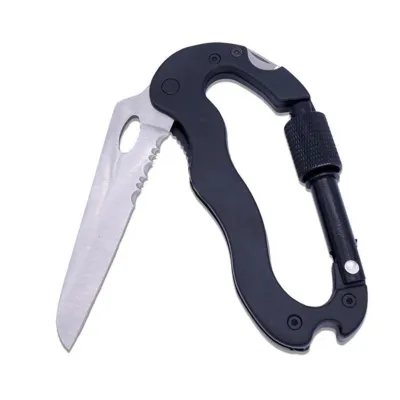
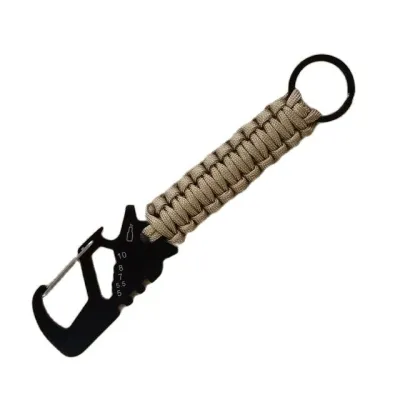
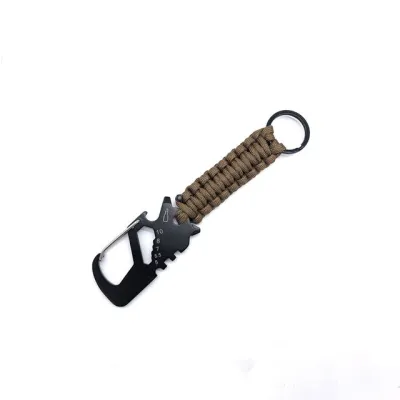
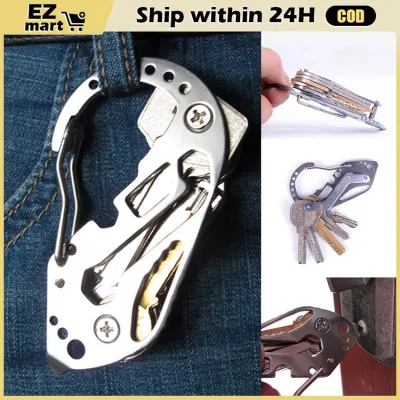
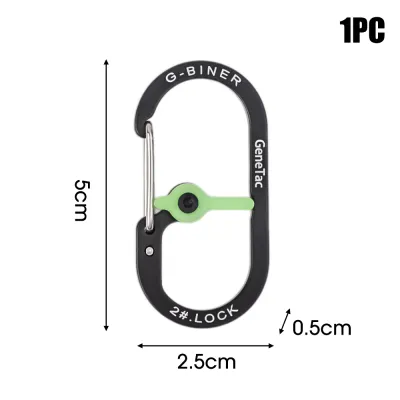
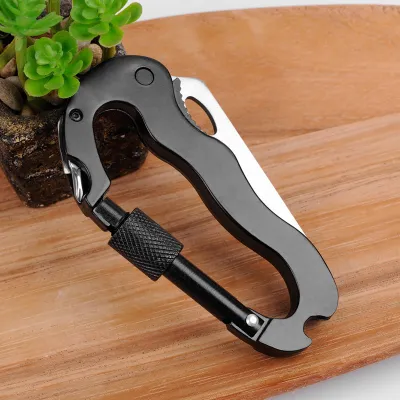
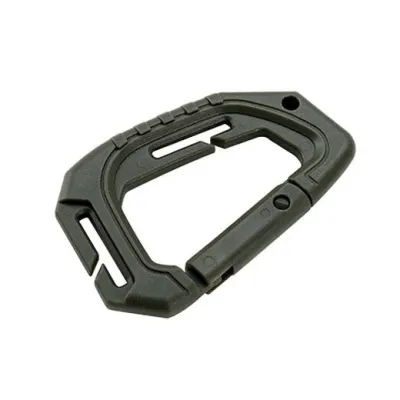
Prices are valid at publication and may change. Please refer to the product page for the latest price.
Conversely, the minor axis rating represents cross-loading, which occurs when force is applied sideways against the gate. Open gate strength indicates the load capacity if the carabiner is stressed while the gate is accidentally held open. Because both minor axis and open gate strengths are significantly lower than major axis strength, understanding these numbers helps you avoid dangerous loading scenarios during a climb.
To ensure the gear meets international safety standards, always verify that the carabiner carries UIAA (Union Internationale des Associations d’Alpinisme) or CE (Conformité Européenne) certification marks. These stamps prove the manufacturing batch has undergone standardized safety testing. Avoid using any carabiner for climbing that lacks these clear, permanent markings on the metal spine.
It is a common misconception that choosing the highest possible kN rating is always the best approach. While high ratings offer peace of mind, they often come with added bulk and weight that can tire you out on long, humid approaches. Your goal should be to match the ratings with your specific climbing discipline, ensuring the gear meets standard safety thresholds without adding unnecessary weight to your harness.
Choosing the Right Gate Type for Your Task
The gate mechanism determines how quickly you can clip into protection and how secure the connection remains under tension. Straight gate carabiners are highly durable and feature a straight, spring-loaded gate that is easy to depress, making them ideal for clipping into bolts. Bent gate carabiners feature a curved profile that naturally guides a climbing rope into the basket, allowing for smoother and faster rope clips on lead climbs.

Wire gate carabiners utilize a loop of stainless steel wire instead of a solid bar. This design significantly reduces overall weight and decreases the likelihood of “gate flutter,” a phenomenon where a sudden impact causes a solid gate to briefly swing open due to inertia. Wire gates are also less prone to trapping dirt and debris, which is highly beneficial when climbing in dusty or muddy outdoor environments.
For critical connections where accidental unclipping could be catastrophic, locking carabiners are mandatory. Screwgate models require you to manually spin a threaded sleeve to lock the gate, offering excellent reliability in sandy or muddy conditions. Automatic locking gates, such as twist-lock or ball-lock mechanisms, lock instantly upon closing but require a specific multi-step motion to open, reducing the risk of human error at belay stations and master anchors.
Before every climb, perform on-the-spot physical checks of your gates. Press the gate open and release it to ensure it snaps back instantly and closes completely flush against the nose. Additionally, inspect the nose design; keylock noses feature a smooth, notch-free interface that prevents the carabiner from snagging on bolts, hangers, or nylon slings during clean-up.
Material, Weight, and Shape Trade-offs
Most modern climbing carabiners are constructed from aluminum or steel, and each material serves a distinct purpose. Aluminum is the standard choice for active climbing because it is exceptionally lightweight, helping to minimize the physical toll of carrying gear on long routes. However, aluminum is softer than steel and will show signs of wear and rope friction much faster.
Steel carabiners are highly resistant to abrasion and structural wear, but they are significantly heavier than aluminum alternatives. Because of this weight penalty, steel is rarely carried on a climber’s harness. Instead, steel connectors are typically reserved for top-rope anchors, indoor climbing gym installations, or heavy-duty rescue rigging where gear is subjected to constant, repetitive friction.
Carabiner shapes also dictate how load forces are distributed and how ropes glide through the basket. D-shape profiles are highly efficient because they naturally force the rope or load toward the strong, solid spine of the carabiner. Oval shapes offer a symmetrical design that is excellent for centering pulleys, organizing gear on your harness, and reducing shifting, though they generally possess lower strength ratings than D-shapes.
HMS or pear-shaped carabiners feature a wide, flared top designed specifically to accommodate thick ropes, belay devices, and specialized friction hitches like the Munter hitch. While pear-shaped models provide excellent clearance for multiple knots, they are typically heavier and more prone to minor cross-loading if not monitored closely during use.
In tropical climbing conditions, carrying excessive weight can accelerate physical fatigue and dehydration. While ultra-lightweight aluminum models help reduce your physical load, they often feature thinner frames that wear down more quickly under rope friction. Balancing your gear kit with a mix of durable, full-size carabiners for high-wear areas and lightweight models for racking is a practical way to optimize your setup.
When to Retire or Replace Your Carabiners
Regularly inspecting your climbing hardware is a non-negotiable safety practice. Look closely for deep grooves worn into the metal basket by the friction of running ropes. If a groove is deep enough to feel a distinct edge, or if it exceeds the wear limits specified in the manufacturer’s manual, the carabiner must be retired immediately to prevent rope damage.
Inspect the entire metal surface for structural deformation, hairline cracks, deep gouges, or sharp burrs. In humid, tropical environments, pay close attention to corrosion, which often appears as pitting or a powdery white oxidation on aluminum. Any sign of structural compromise or a gate that sticks, fails to close automatically, or does not lock flush is an immediate signal to take the gear out of service.
Carabiners must also be evaluated after experiencing severe impacts. If a carabiner is dropped from a significant height onto a hard surface, or if it is subjected to a severe fall during a climb, it should be retired even if no visible damage is present. Internal micro-fractures can compromise the structural integrity of the metal without showing any outward signs on the surface.
Always consult the manufacturer’s specific user manual for precise retirement timelines and maintenance instructions. If you ever find yourself doubting the safety or structural integrity of a piece of gear, err on the side of caution and stop using it immediately. Your safety on the rock depends entirely on the reliability of your equipment and your commitment to rigorous gear inspections.
Frequently Asked Questions (FAQ)
Can I use a non-locking carabiner for belaying?
No, belaying operations require a locking carabiner to ensure the safety of the entire climbing system. Belay devices can shift during a catch, and a non-locking carabiner carries a high risk of accidental unclipping or cross-loading under sudden tension. Always consult your specific belay device manual to verify the recommended shape and locking style required for safe operation.
Does a heavier carabiner mean it is stronger?
Not necessarily. A carabiner’s weight is determined by its material composition and frame thickness, whereas its actual strength is determined by its engineering, shape, and manufacturing standards. The only valid measure of a carabiner’s strength is the certified kilonewton (kN) rating stamped on its spine, not how heavy it feels in your hand.

Community discussion
Share your experience or ask a question. Comments are reviewed before publication.