
The alphanumeric code “702UL” printed on the blank of a Capung fishing rod is not a random serial number; it is a concise summary of the rod’s physical dimensions, construction, and power rating. Specifically, it indicates a 7-foot-long, two-piece rod with an ultra-light power rating. Understanding these specifications is essential for matching the rod to your target species, local fishing environments, and preferred tackle setup before making a purchase.
Decoding the "702UL" Model Number
The first part of the code, “70,” represents the rod’s total length of 7 feet 0 inches when fully assembled. In the Philippines, where anglers often navigate overgrown riverbanks, mangrove edges, or crowded public fishing ponds, a 7-foot rod offers a highly versatile mid-range length. It provides enough leverage to cast lightweight lures a respectable distance while remaining short enough to maneuver under low-hanging branches or tight bamboo structures.
The middle number, “2,” denotes a two-piece construction. This design splits the rod blank into two equal sections, making it highly portable. For anglers traveling by motorcycle, tricycle, or public transit to local fishing spots, a two-piece rod is significantly easier to transport than a one-piece alternative. The trade-off is a minor reduction in sensitivity and a slight interruption in the rod’s natural bending curve at the joint, though modern ferrule designs minimize this impact.
Products mentioned in this guide
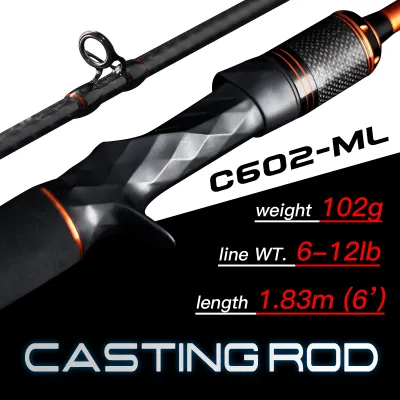
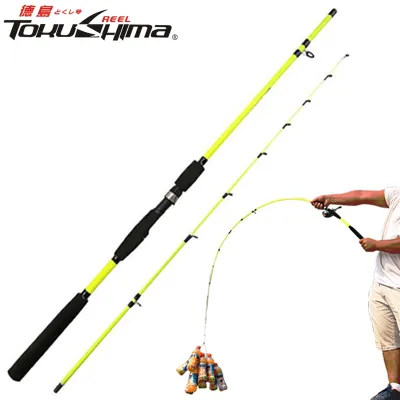
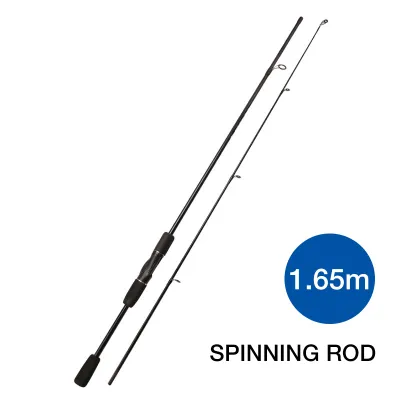
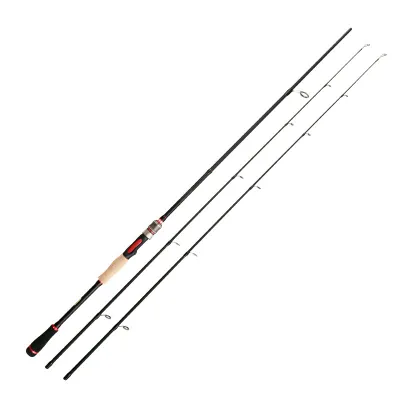
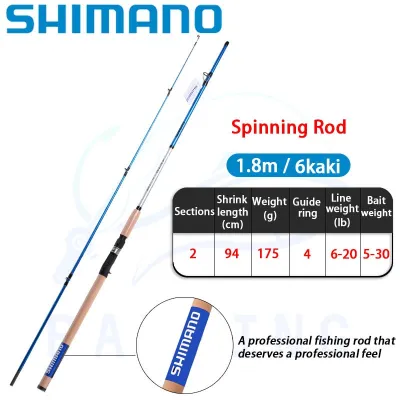
Prices are valid at publication and may change. Please refer to the product page for the latest price.
The final letters, “UL,” stand for Ultra-Light power. Power refers to the rod’s resistance to bending. An ultra-light rod bends easily under minimal pressure, making it highly responsive to small fish and lightweight lures. This rating is designed for finesse fishing, allowing you to cast tiny lures that would be difficult to throw on heavier gear, while providing an exciting fight even with smaller catches.
How These Specs Translate to Real-World Fishing
An ultra-light, 7-foot rod is built for specific environments where precision and delicacy matter more than raw pulling power. In tropical climates, this setup is ideal for exploring calm estuaries, freshwater streams, or local fishponds. The 7-foot length allows for precise, delicate presentations of tiny lures near structures like submerged logs, coconut roots, or dock pilings.

This rod profile is best suited for smaller target species. In local waters, it is highly effective for catching tilapia, climbing perch, or small snakeheads in open water. It also excels in light saltwater scenarios, such as targeting small tarpon or slipmouths in calm bays. However, it lacks the structural stiffness required to pull large, aggressive predators out of heavy cover.
To ensure safe operation, always check the manufacturer’s printed specifications on the rod blank for the exact lure weight and line weight ratings. These limits are strict safety boundaries. Casting a lure that is too heavy can overload the blank and cause it to snap, while using a line that exceeds the recommended strength can put excessive pressure on the rod during a hard strike or snag.
Is the 702UL the Right Choice for Your Setup?
Deciding whether to choose this rod depends on your preferred fishing style and target locations. If you enjoy finesse techniques, such as casting micro-jigs, tiny soft plastics, or small crankbaits in relatively clear water, this ultra-light profile is highly suitable. However, if your primary goal is to fish in heavy water hyacinths or lily pads where you must immediately muscle a fish out of thick weeds, a medium or heavy power rod is a better choice.
Pairing the rod with the correct reel is crucial for maintaining physical balance. An ultra-light rod should be paired with a matching lightweight spinning reel, typically in the 500 to 1000 size range, or a lightweight 2000 size depending on the specific reel’s weight. A reel that is too heavy will make the entire setup feel unbalanced and tire your wrist during long casting sessions, while a balanced combo allows for effortless, single-handed casting.
Avoid using this rod in situations that demand heavy tackle. This includes fishing in strong currents with heavy sinkers, trolling behind a boat, or targeting large, hard-fighting species. Using an ultra-light rod in these conditions risks damaging the blank and losing your gear.
Frequently Asked Questions (FAQ)
Can I use an ultra-light rod like the 702UL in saltwater?
Yes, but you must take specific precautions to protect your gear. Before using the rod in brackish or saltwater environments, verify the materials of the blank, guide frames, and line guides on the manufacturer’s specification sheet to ensure they offer adequate corrosion resistance. Saltwater is highly corrosive, so you must thoroughly rinse the entire rod, especially the guides and reel seat, with clean fresh water after every outing to prevent rust and material degradation.
What type of fishing line works best with an ultra-light power rating?
To protect your rod from damage, always choose a line that falls within the manufacturer’s recommended line weight rating printed on the blank. For ultra-light setups, anglers commonly use light monofilament for its stretch and forgiveness, or a thin braided line paired with a light fluorocarbon leader to maximize casting distance and sensitivity while maintaining low visibility underwater.

Community discussion
Share your experience or ask a question. Comments are reviewed before publication.