
Evaluating a large multi-room shelter requires looking beyond the model name to understand how its technical specifications translate to real-world comfort and logistics. The Naturehike Village 13 is designed as a spacious cabin-style tent, but its suitability for your trips depends on how its dimensions, weight, materials, and structural footprint align with your camping style. By analyzing these key specifications, you can determine if this shelter fits your group size, vehicle capacity, and expected outdoor conditions.
Understanding Capacity and Internal Dimensions
Manufacturer-rated capacities are typically calculated based on the maximum number of standard sleeping pads that can fit edge-to-edge on the floor. For a large shelter like the Village 13, this rating does not account for personal gear, luggage, or walking paths. To ensure a comfortable stay, campers should evaluate the actual floor area and consider reducing the active occupancy by at least two people if planning to store gear inside.
Peak height is another critical specification to verify on the product label. While a high peak height allows most adults to stand upright, the slope of a cabin-style or ridge-style roof determines how much of that vertical space is actually usable. Check the official floor plan to see if the walls slope steeply, which can restrict movement near the edges of the tent.
Products mentioned in this guide
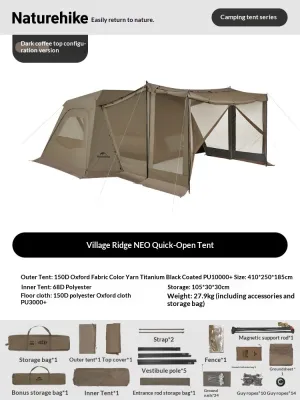
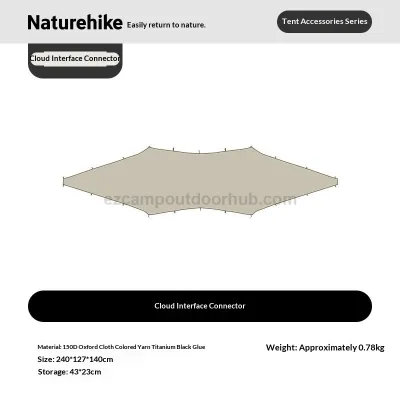
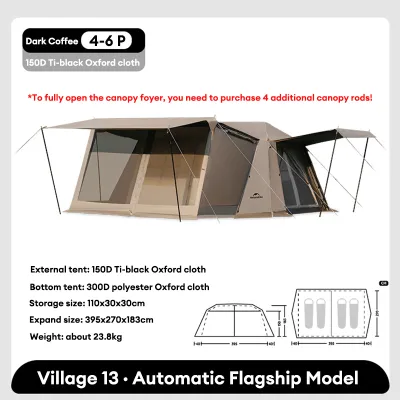
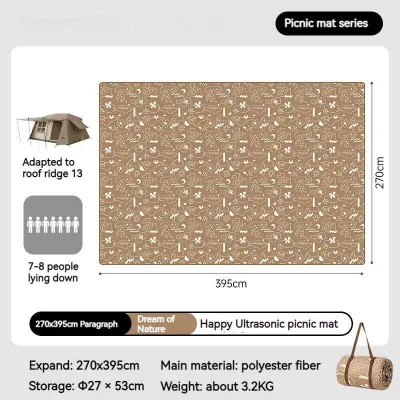
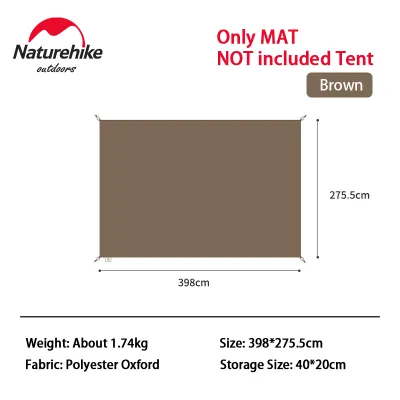
Prices are valid at publication and may change. Please refer to the product page for the latest price.
Additionally, look for partition options or built-in room dividers. Some large tents offer removable curtains to split the interior into separate living and sleeping quarters. Verifying these layout dimensions helps you plan where to place camping cots, air mattresses, and storage bins without blocking the main entryways.
Evaluating Packed Weight and Transport Logistics
Large family tents are designed for base camping and prioritize structural durability and spaciousness over lightweight portability. Because of this, the packed weight of the Village 13 is substantial, requiring careful consideration during transport. Campers must verify the total weight on the product packaging to ensure it can be safely lifted and loaded by at least two people to prevent physical strain.

Before heading out, compare the packed dimensions of the tent bag against the available cargo space in your vehicle. A long, bulky tent bag may require folding down rear seats in a standard sedan or occupying a significant portion of an SUV’s trunk. If you plan to use a roof box or roof rack, check both the vehicle’s roof load limit and the rack’s weight capacity to ensure safe transit.
Remember that this class of tent is strictly for car camping. Attempting to carry a heavy cabin tent over long hiking trails is impractical and unsafe. Always plan your campsite selection so that the vehicle can park directly adjacent to or within a very short walking distance of the pitching site.
Decoding Materials and Weather Resistance Ratings
The materials used in the tent’s construction directly influence its performance in tropical climates like the Philippines, where high humidity and sudden downpours are common. Check the product specifications to identify whether the rainfly and inner tent are made of polyester, nylon, or a cotton blend. Synthetic fabrics like polyester generally offer faster drying times and lighter weight, while cotton blends may provide better breathability at the expense of increased weight and longer drying periods.
To assess rain protection, locate the hydrostatic head rating on the manufacturer’s specification sheet. This rating, measured in millimeters, indicates the level of water pressure the fabric can withstand before leaking. For tropical wet seasons, look for a rating that indicates reliable water resistance, and verify that the tent features fully taped seams and a durable water repellent coating. Additionally, check for UV protection ratings to ensure the fabric can withstand prolonged exposure to intense tropical sunlight without degrading.
Wind resistance is determined by both the fabric strength and the pole structure. Examine the pole material—such as aluminum alloy or fiberglass—and the overall frame design. Cabin-style tents have tall, vertical walls that catch the wind more easily than aerodynamic dome tents. Always secure all guy lines and stakes according to the manufacturer’s instructions, and avoid pitching the tent in highly exposed areas during severe weather warnings.
Assessing Setup Complexity and Campsite Footprint
The structural design of the tent dictates how easily it can be pitched and how much space it will occupy at the campsite. Some models utilize quick-setup or automatic frames, while others require manual pole assembly. Review the pitching sequence in the manufacturer’s manual to understand the physical effort and the number of people required to erect the frame safely.
The physical footprint of a large multi-room tent extends far beyond its actual floor dimensions. You must account for the extra clearance needed for guy lines, ground stakes, and optional awning extensions. Ensure the designated campsite has a flat, clear area that can accommodate these dimensions while maintaining a safe distance from campfires, cooking equipment, and natural hazards like falling branches.
To avoid frustration and potential damage to the equipment, never attempt to pitch the tent for the first time at the campsite. Practice the setup sequence in a spacious, flat area at home, such as a backyard or local park. This trial run allows you to verify that all poles, stakes, and rainfly components are present and functioning correctly before you head into the outdoors.
Matching the Tent to Your Camping Profile
Choosing the right tent requires matching its technical specifications to your specific camping profile. If your typical outdoor trips involve driving directly to established campsites in popular destinations like Tagaytay or Benguet, the spaciousness and weight of a large cabin tent are highly manageable. However, if your adventures involve remote, hike-in sites or rugged terrain, a lighter, more compact shelter is necessary.
Align your group’s size, gear volume, and the local weather conditions with the tent’s verified specifications. In the warm, humid climate of the Philippines, prioritize tents with large mesh windows and multiple ventilation ports to promote airflow and reduce condensation. Ensure the waterproof ratings are sufficient for sudden tropical rainstorms.
If you have specific questions regarding the tent’s wind load limits, warranty coverage, or compatibility with third-party accessories, always consult the manufacturer or a qualified outdoor retail professional. Relying on verified technical data and professional guidance ensures your camping gear provides a safe and comfortable shelter for your outdoor adventures.
Frequently Asked Questions (FAQ)
How should I calculate the real sleeping capacity of a large family tent?
To calculate the realistic sleeping capacity of a large family tent, subtract the space required for gear storage, walkways, and camp furniture from the total floor area. A practical rule of thumb is to subtract two people from the manufacturer’s rated capacity. For example, a tent rated for six people will comfortably accommodate four adults along with their bags, coolers, and sleeping cots.
What vehicle features are necessary for transporting heavy camping tents?
Transporting a heavy, large-format tent requires a vehicle with adequate cargo volume and weight capacity. Measure your trunk or cargo area with the rear seats folded down to ensure the packed tent bag fits securely without obstructing your rear view. Additionally, consider the vehicle’s lift-over height; lifting a heavy tent bag into a high SUV trunk or roof rack requires proper lifting technique to prevent personal injury or vehicle damage.

Community discussion
Share your experience or ask a question. Comments are reviewed before publication.