
The required waterproof rating for a diving headlight depends entirely on your maximum dive depth and the specific type of water sport you are doing. While an IP68 rating is a common baseline for general water resistance, serious underwater exploration requires explicit depth ratings (such as 50m or 100m) to withstand hydrostatic pressure. Understanding the difference between standard ingress protection and true dive specifications is the first step in selecting a reliable light that will not flood when you need it most.
When diving in tropical waters, such as the diverse marine sanctuaries across the Philippines, a reliable hands-free light source is essential for exploring crevices, night diving, or navigating murky depths. However, relying on a standard outdoor light can lead to immediate failure under pressure. Matching your equipment’s specifications to your actual diving depth ensures both your safety and the longevity of your gear.
Decoding Waterproof Standards: IP Codes vs. Depth Ratings
Many outdoor enthusiasts assume that an IP68 rating guarantees a device is fully waterproof for any underwater activity. In reality, the Ingress Protection (IP) scale is designed primarily for land-based equipment exposed to dust and temporary wetness. The first digit represents dust protection, while the second digit, eight, indicates that the device can withstand continuous immersion in water under conditions specified by the manufacturer. Typically, this test is conducted in static water at shallow depths, often between 1.5 and 3 meters, for a limited duration.
Products mentioned in this guide
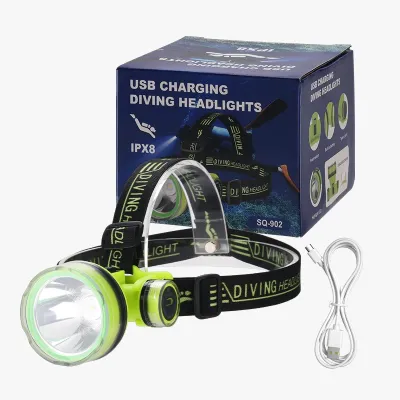
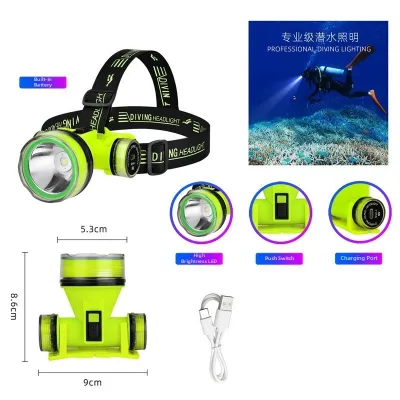
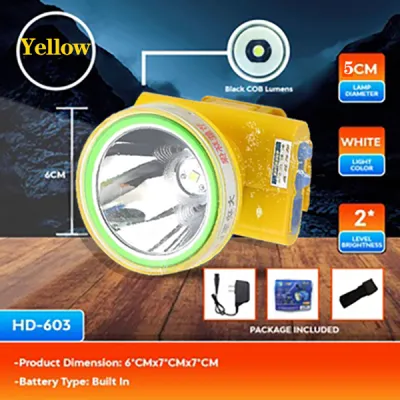
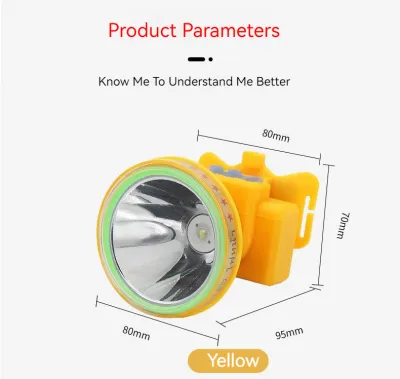
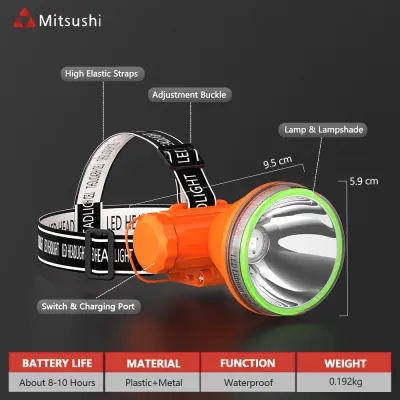
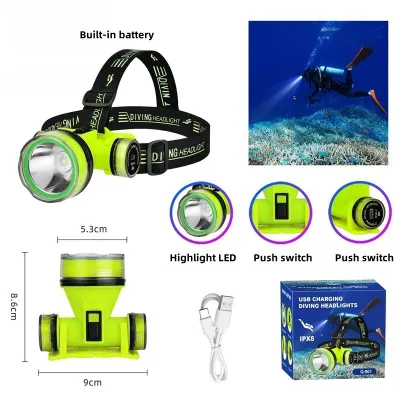
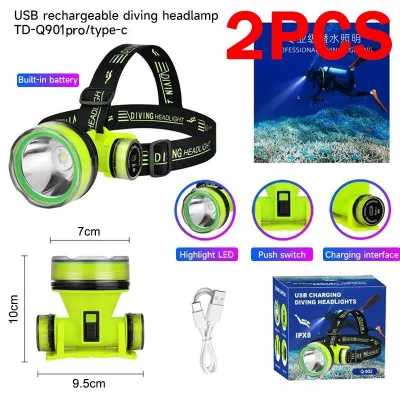
Prices are valid at publication and may change. Please refer to the product page for the latest price.
For actual diving, you must look for dedicated depth ratings measured in meters or atmospheres (ATM). Each 10 meters of depth adds approximately one atmosphere of hydrostatic pressure. A true diving headlight is engineered to withstand this crushing force, which acts uniformly on every seal, joint, and lens surface of the housing.
It is also vital to distinguish between static laboratory testing and dynamic real-world conditions. A laboratory test subjects a stationary light to a controlled, gradual increase in pressure. During an actual dive, rapid descents, head movements, and underwater currents introduce dynamic pressure spikes. These sudden forces can easily compromise a seal that is only rated for static, shallow immersion.
Matching Waterproof Specs to Your Diving Activity
Selecting the right diving headlight waterproof rating requires matching the gear to your specific underwater activity. For snorkeling and surface swimming, where you rarely descend more than a few meters, a light with a basic IP68 rating or a shallow depth rating of 5 to 10 meters is generally sufficient. These activities involve minimal hydrostatic pressure, meaning lightweight housings with simple seals can easily keep the water out.

Freediving and spearfishing demand more robust equipment. Because these sports involve rapid descents and ascents, the headlight experiences quick pressure transitions. For these activities, look for intermediate depth ratings of 30 to 50 meters. This range ensures the seals can handle the sudden compression and expansion cycles without warping or allowing moisture to seep into the battery compartment.
For recreational scuba diving, which typically has a maximum depth limit of 40 meters, a headlight rated to at least 100 meters is highly recommended. This depth rating provides a critical safety margin. The increased rating accounts for the prolonged exposure to pressure at depth, as well as the physical bumps and knocks the light might sustain while exploring reefs or wrecks.
Technical diving, which involves depths beyond recreational limits, cave exploration, or decompression stops, requires specialized gear rated to 150 meters or deeper. These lights feature heavy-duty sealing mechanisms, thick tempered glass lenses, and robust metal bodies. In these extreme environments, a primary light failure can be life-threatening, making redundant lighting systems and maximum pressure resistance non-negotiable.
Critical Design Features That Support Waterproofing
A high depth rating on paper is only as reliable as the physical design features supporting it. One of the most common failure points on underwater lights is the switching mechanism. Standard mechanical push buttons rely on a physical shaft that penetrates the light housing, sealed only by tiny internal O-rings. Under high pressure, these buttons can become depressed permanently or leak. Magnetic switches, which operate through a solid housing wall using magnetic sensors, eliminate this physical opening entirely, significantly reducing the risk of flooding.
The housing material also plays a critical role in structural integrity. Anodized aircraft-grade aluminum offers excellent resistance to hydrostatic pressure and saltwater corrosion, while also helping to dissipate heat from high-output LEDs. High-grade plastics are lightweight and corrosion-resistant, but they can warp or crack under extreme pressure or degrade over time when exposed to intense tropical sunlight and saltwater.
Finally, examine the battery compartment sealing design. High-quality diving headlights utilize double O-ring seals on all threaded connections. This double-barrier system ensures that if the outer O-ring fails or becomes misaligned, the inner ring still prevents water from reaching the electronics. The threads themselves should be clean, deep, and smooth to allow even compression of the seals.
Pre-Dive Checks and Maintenance for Dive Lights
To maintain the waterproof integrity of your diving headlight, a strict pre-dive and post-dive routine is essential. Before every dive, open the battery compartment and inspect the O-rings. Even a single strand of hair, a grain of sand, or a tiny crack can compromise the seal under pressure, leading to a flooded light. Gently remove the O-rings with a soft tool, clean the grooves, and inspect the rubber for flattening or dry rot.
When reassembling, apply a thin film of silicone grease to the O-rings strictly according to the manufacturer’s instructions. The grease keeps the rubber supple and helps it slide smoothly into place without twisting; it does not act as a sealant on its own. Applying too much grease is counterproductive, as it attracts sand and debris that can cause leaks.
After exiting the ocean, always rinse your headlight thoroughly in clean, fresh water while it is still sealed. Saltwater leaves behind corrosive crystals as it evaporates, which can degrade rubber seals and pit metal threads. Allow the light to dry completely in a shaded, well-ventilated area before opening the battery compartment to prevent humid air or stray water droplets from getting trapped inside.
Establish clear stop conditions for your equipment. If you notice deep scratches on the lens, cracks in the housing, flattened O-rings, or persistent salt buildup, cease using the light immediately. Do not attempt to use a compromised light underwater; instead, consult the manufacturer or a qualified dive gear technician for servicing.
Frequently Asked Questions (FAQ)
Can I use a regular IP68 camping headlight for scuba diving?
No, you should not use a standard IP68 camping headlight for scuba diving. While an IP68 rating indicates resistance to dust and shallow, temporary water immersion, it does not guarantee that the device can withstand the continuous, high hydrostatic pressure found at scuba depths. Using a non-dive-specific light underwater carries a high risk of housing collapse, flooding, battery short-circuiting, and sudden loss of your primary light source.
What should I do if my diving headlight fogs up inside?
Internal fogging is a clear sign of a compromised seal or trapped moisture, which often enters the housing during battery changes in humid environments. If you notice condensation inside the lens, stop using the headlight immediately to prevent permanent electronic damage. Remove the batteries, leave the compartment open in a dry, air-conditioned space to dry completely, and thoroughly inspect or replace the O-rings before attempting another dive.

Community discussion
Share your experience or ask a question. Comments are reviewed before publication.