
Deciding whether to add a belt running bag to your gear rotation comes down to a simple balance between what you need to carry and how much freedom of movement you want to maintain. For many runners, standard pockets or holding a phone in hand quickly becomes a distraction.
If your runs are extending past a quick loop around the neighborhood, or if you find yourself constantly adjusting your gear, a dedicated running belt can transform your experience. It offers a streamlined way to secure your essentials directly against your center of gravity, keeping your hands free and your focus on the road or trail ahead.
Signs Your Current Carry Setup Is Holding You Back
Running should feel fluid and unconstrained, yet carrying essential gear often introduces unwanted friction. If you find yourself gripping a heavy smartphone in one hand or dealing with an armband that slips down your bicep as you sweat, your current setup is actively working against your form.
Products mentioned in this guide
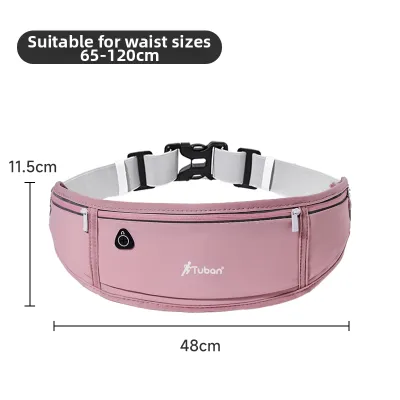
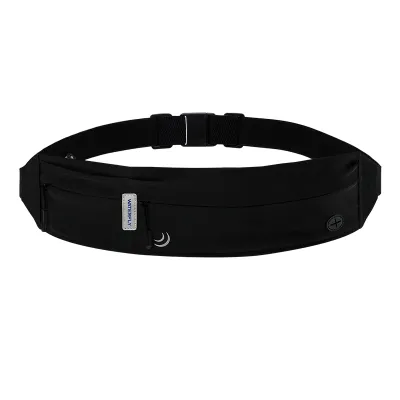
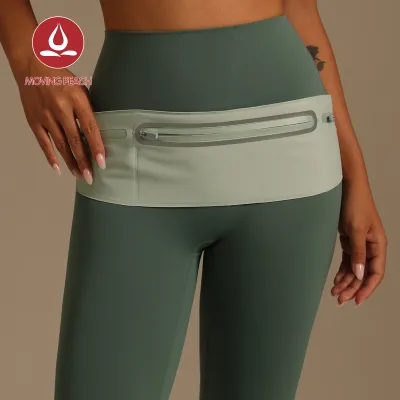
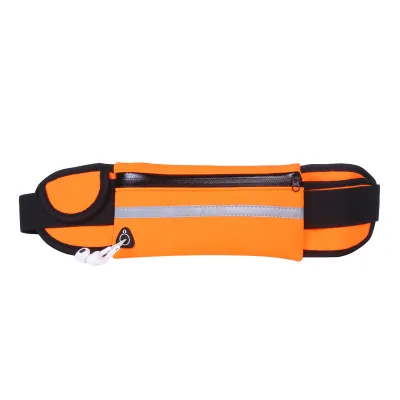
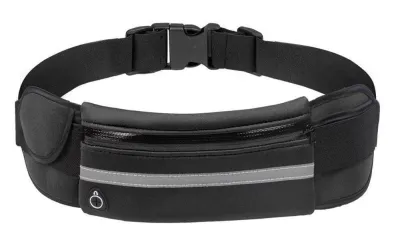
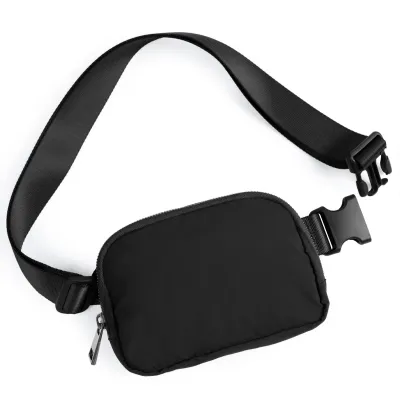
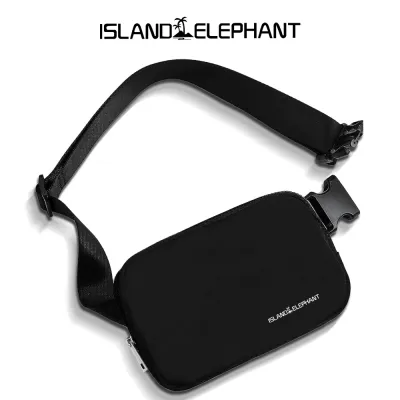
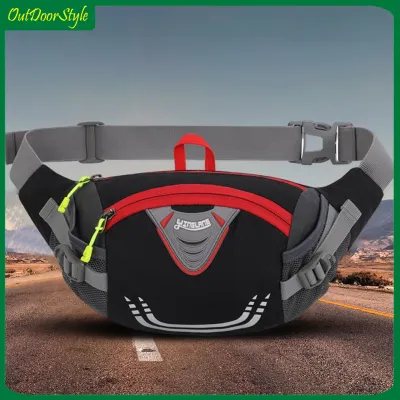
Prices are valid at publication and may change. Please refer to the product page for the latest price.
Handheld items can cause subtle imbalances in your arm swing, leading to shoulder strain or premature fatigue over longer distances.
Logistical issues also disrupt your rhythm. Standard athletic shorts often lack secure pockets, leaving keys to jingle loudly or heavy items to bounce violently against your thighs. This constant movement increases the risk of dropping expensive items mid-stride.
In warm, tropical environments like the Philippines where humidity levels are consistently high, carrying items in standard pockets poses another risk. Sweat can easily seep through thin clothing fabrics, potentially damaging sensitive electronic devices.
If you are constantly worrying about water damage or physical discomfort, it is a clear sign that your current carrying method has reached its limit.
What a Belt Running Bag Actually Solves
A dedicated running belt is engineered specifically to address the physics of carrying weight while in motion. By positioning your essentials around your waist or hips, the belt places the load directly at your body’s center of gravity.

This strategic placement minimizes the vertical bounce and side-to-side swaying that typically cause chafing and skin irritation.
These belts feature specialized, low-profile compartments designed to hold items snugly against your body. High-quality options utilize weather-resistant fabrics and secure closures to shield your phone, cards, and nutrition from both external rain and heavy sweat.
Ultimately, a running belt restores your natural running biomechanics. With your hands completely free and your shoulders relaxed, you can maintain proper posture and arm swing.
This hands-free convenience allows you to focus entirely on your pacing and foot strike rather than managing loose gear.
Self-Assessment: Does Your Routine Require a Belt?
Determining whether you need to invest in a running belt requires a quick look at your typical running habits. By evaluating your average distance, target pace, and the specific environments where you train, you can easily identify your storage needs.
The necessity of a belt scales directly with the volume of gear you must carry and the total duration of your training sessions.
Short, Fast, and Unencumbered Runs
For brief training sessions, such as quick neighborhood runs lasting under 45 minutes, a running belt is often unnecessary. When you are running a familiar route close to home, your hydration and nutrition needs are minimal, meaning you can easily leave the house with nothing more than a single key.
Many modern running shorts feature a small, integrated waistband pocket designed specifically to hold a house key or a card without bouncing.
However, even on short runs, a belt can still be highly beneficial if you prefer to carry a large, modern smartphone for safety, music, or tracking. Standard pockets rarely accommodate these larger devices comfortably, and holding them in your hand can quickly become tiresome.
If your daily routine requires carrying a phone but you want to maintain a lightweight, unencumbered feel, a slim, single-pocket belt offers a practical compromise.
Long Distance, Commutes, and Trail Runs
As your training sessions extend beyond 90 minutes, or when you venture onto remote trails, a running belt transitions from a convenient accessory to an essential piece of gear. Long-distance runs require consistent access to energy gels, salt tablets, and small hydration flasks to maintain performance and safety.
Standard clothing pockets are simply not designed to support this volume of weight, and attempting to pack them full will inevitably lead to sagging fabric and excessive bouncing.
For run commuters who travel to work on foot, or trail runners navigating unpredictable terrain, the storage requirements are even more demanding. You may need to carry emergency contact cards, cash, a whistle, or even a lightweight packable windbreaker.
A specialized running belt provides the structured, secure capacity needed to organize these items safely, ensuring they remain accessible without shifting during steep climbs or fast descents.
Alternatives to Consider Before Buying
Before purchasing a running belt, it is worth exploring other gear options to ensure you choose the best fit for your specific routine. For ultra-marathon distances or self-supported trail runs where you must carry significant volumes of water and safety gear, a running vest is often the superior choice.
Vests distribute weight across your upper back and chest, offering much larger storage capacities and easy access to front-mounted hydration flasks.
If you only need to carry water on shorter, hot-weather runs, a handheld water bottle with an integrated zippered pouch might suffice. These bottles feature ergonomic straps that secure to your hand without requiring a tight grip, while the small pocket holds a key and a gel.
Alternatively, you can look for high-performance running shorts or tights that feature deep, compression-style pockets along the thighs or a zippered pocket at the rear waistband.
This zero-extra-gear approach keeps your silhouette completely streamlined while utilizing the natural compression of the fabric to hold your phone securely against your body.
How to Choose the Right Belt If You Decide to Buy
If you decide that a running belt is the right choice for your routine, selecting the correct model requires careful attention to fit and materials. Start by checking the waist sizing and adjustability options.
Look for belts with wide, elasticized straps and secure buckle or hook-and-loop systems that allow you to customize the tension, ensuring a snug fit that will not slip down your hips.
In warm and humid climates, material selection is critical to prevent skin irritation. Prioritize highly breathable, moisture-wicking fabrics like lightweight mesh or perforated neoprene.
These materials allow sweat to evaporate quickly, reducing the risk of chafing during long, hot training sessions.
Next, evaluate the compartment layout based on the specific items you plan to carry. Look for divided pockets to keep keys from scratching your phone screen, and check the quality of the zippers to ensure they can withstand repeated use and exposure to salt from sweat.
If you run in rainy conditions, verify that the storage compartments feature water-resistant linings or zippers.
Finally, always verify the maximum smartphone dimensions the belt can accommodate. Ensure the pocket is large enough to fit your phone with its protective case on, as forcing a tight fit can stretch the fabric, compromise the water resistance, and cause the belt to bounce during your run.
Frequently Asked Questions (FAQ)
Can I use a regular waist bag or fanny pack for running?
While a standard fashion waist bag or fanny pack might look similar to a running belt, they are generally unsuitable for running. Standard waist bags are typically made from heavy, non-breathable materials like canvas or thick nylon, and they lack the elasticized, snug-fitting straps required to prevent bouncing.
Using non-technical gear for high-impact activities often leads to severe chafing, and the loose fit can cause your items to jostle violently, potentially damaging your phone or keys.
How do I stop my running belt from bouncing?
To eliminate bounce, start by adjusting where the belt sits on your body. Many runners find that positioning the belt lower on the hips, rather than high up on the natural waist, provides a more stable fit because it rests on the wider part of the pelvic structure.
Additionally, ensure the strap is tightened securely so that it does not shift, but not so tight that it restricts your breathing. Distribute the weight of your items evenly across the pockets, placing the heaviest items closest to your center of gravity.

Community discussion
Share your experience or ask a question. Comments are reviewed before publication.