
Deciding whether to add a diving bonnet—commonly known as a dive hood—to your gear bag depends on your typical dive environments, your personal sensitivity to cold, and how your current wetsuit manages water circulation. While tropical diving often conjures images of warm, effortless swims in thin rash guards, deep thermoclines and repetitive dive profiles can quickly drain your body heat. Your head contains a high concentration of blood vessels close to the skin’s surface, making it a primary pathway for heat loss when submerged. Understanding how your body responds to water exposure and evaluating your existing equipment will help you determine if a dive hood is a necessary addition to your setup.
Signs Your Head Is Losing Heat Underwater
Recognizing the physical symptoms of heat loss is crucial for staying safe and comfortable during a dive. Shivering is the most obvious sign that your core temperature is dropping, but heat loss from the head often manifests in more subtle ways first. You might experience a mild, persistent tension headache during or immediately after a dive, which is often caused by the constriction of blood vessels in the scalp in response to cold water.
Sudden, unexplained fatigue after a relatively easy dive is another common indicator of thermal loss. When your body works harder to maintain its core temperature, it consumes energy at a much faster rate, leaving you feeling exhausted even if you did not swim against strong currents. If you find yourself feeling unusually tired after a standard dive, your head and neck may be losing heat faster than your body can generate it.
Products mentioned in this guide
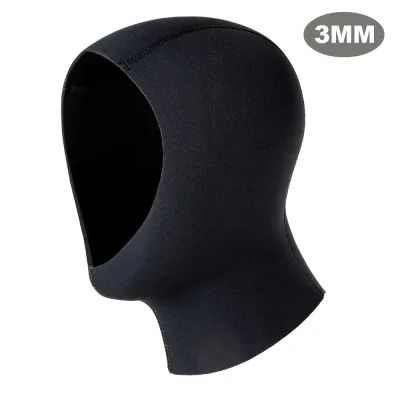
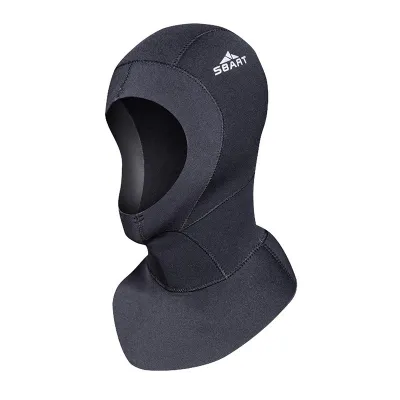
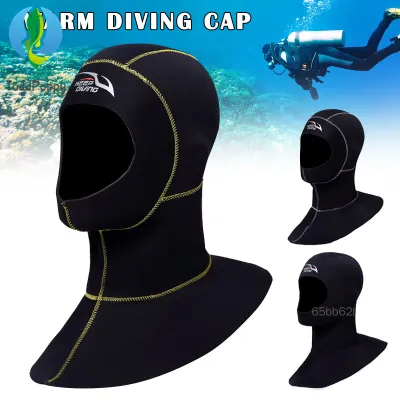
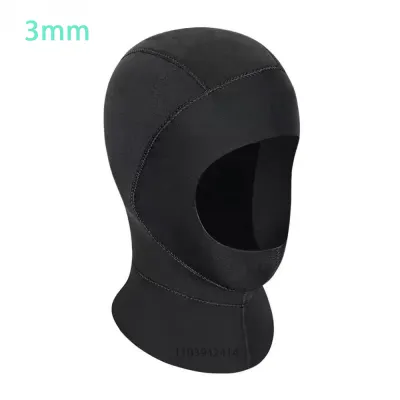
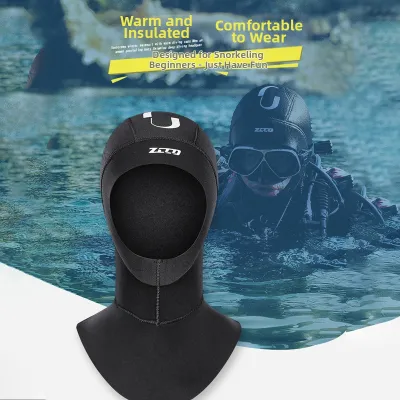
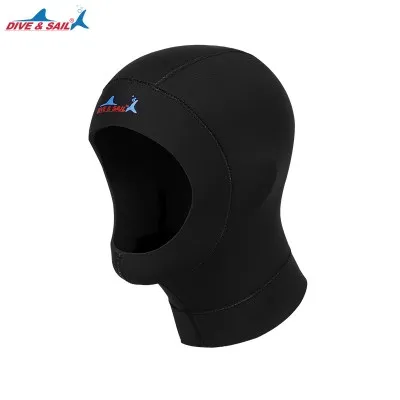
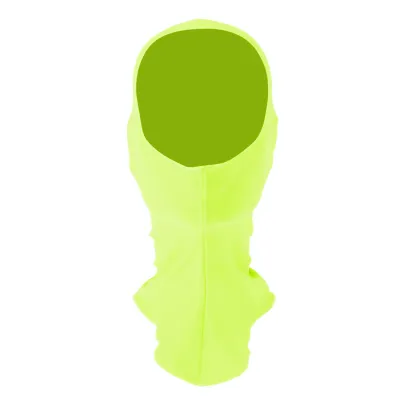
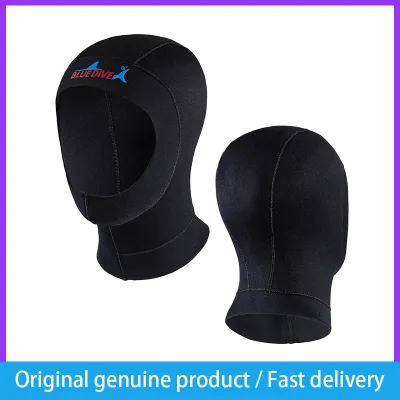
Prices are valid at publication and may change. Please refer to the product page for the latest price.
Pay close attention to environmental triggers during your descent. In many tropical diving destinations, such as the deep walls and reefs around the Philippines, the surface water may feel warm, but you can encounter sudden temperature drops—known as thermoclines—as you go deeper. If your head and neck feel disproportionately cold compared to your torso when crossing these thermal boundaries, your current exposure protection is reaching its limit.
Finally, monitor your post-dive recovery time on the boat or shore. If you find yourself shivering on the deck, needing an unusually long time wrapped in a dry towel to feel warm again, or if your neck and scalp remain cold to the touch long after you have surfaced, your head is likely losing a significant amount of heat during your time underwater.
Evaluating Your Current Exposure Protection
Before purchasing new gear, inspect the design of your existing wetsuit collar. A loose or low-cut collar allows water to flush freely in and out of the suit every time you move your head. This constant exchange of water prevents your body from warming the thin layer of liquid trapped against your skin, leading to rapid cooling around your neck and upper chest.

Review the manufacturer’s temperature guidelines for your current wetsuit or rash guard. Most exposure suits are rated for specific temperature ranges, but these ratings assume standard conditions and do not account for individual circulation differences or deep-water thermoclines. If you are regularly diving at the lower limit of your suit’s recommended range, adding a hood is often more effective than buying an entirely new, thicker wetsuit.
Identify physical gaps in your current setup during a dive. Watch for water entering through the neck seal during your giant stride entry, surface swims, or initial descent. If you feel a sudden rush of cold water down your back or chest when looking up or down, the collar seal is insufficient on its own, and a diving bonnet can help bridge this gap by creating a continuous barrier.
Matching Dive Conditions to Hood Requirements
Your typical dive profile plays a massive role in determining whether a hood is necessary. For a single, shallow reef dive in warm water, a hood is rarely needed. However, if you participate in liveaboard trips or multi-day excursions where you complete three to four repetitive dives a day, your body has less time to fully recover its core temperature between entries, leading to cumulative heat loss that a hood can help mitigate.
Consider the depth and duration of your planned dives. Long, slow-moving dives—such as those focused on underwater photography or macro marine life observation—involve very little physical exertion. Without active swimming to generate body heat, you will feel the chill of the water much sooner, making a thin diving bonnet a valuable addition to your kit even in relatively warm environments.
Personal cold sensitivity is highly subjective and should always override general guidelines. If your dive buddies are comfortable in shorty wetsuits but you find yourself shivering after twenty minutes, there is no shame in adding a hood. Protecting your head keeps you comfortable, reduces air consumption caused by cold-induced rapid breathing, and ultimately extends your bottom time safely.
When You Can Safely Skip the Diving Bonnet
There are several scenarios where a diving bonnet is unnecessary or even counterproductive. In shallow, warm tropical waters above 28°C, wearing a thick neoprene hood can lead to overheating, especially during surface intervals or long boat rides under the sun. Overheating can cause dizziness, excessive sweating, and dehydration before you even begin your dive, which increases your risk of decompression sickness.
A hood can also interfere with specialized equipment. If you use a full-face mask or integrated communication units, a thick neoprene hood might prevent the mask skirt from sealing properly against your face, leading to persistent leaks. Always check the manufacturer’s instructions for your specific mask to see if a hood is compatible or if a specialized under-mask hood is required.
If your primary concerns are surface wind chill, sunburn, or keeping long hair out of your face rather than underwater thermal protection, a full diving bonnet is likely overkill. In these cases, a simple neoprene beanie, a lightweight fabric swim cap, or a headband is a much more comfortable alternative that provides protection without the bulk or restriction of a full neck collar.
Choosing the Right Diving Bonnet If You Need One
If you decide a hood is necessary, start by evaluating neoprene thickness. For tropical or temperate waters, a 3mm hood is generally sufficient to block wind and prevent water flushing without causing overheating. For colder environments, a 5mm or thicker hood is standard, though it will require more effort to put on and take off.
The fit of the hood is critical for both comfort and safety. It must fit snugly around your face and neck to prevent water from circulating, but it should never feel tight enough to restrict your breathing, compress your throat, or make swallowing difficult. A hood that is too tight around the neck can compress the carotid artery, which can lead to lightheadedness or even fainting underwater.
Decide between a standalone hood and a hooded vest. A standalone hood with a bib is designed to tuck under the collar of your wetsuit, creating a reliable seal. If your current wetsuit collar is particularly loose, a hooded vest worn underneath your main suit provides an extra layer of core insulation while keeping the hood securely anchored, preventing any water from flushing down your back.
Frequently Asked Questions (FAQ)
Can I wear a diving bonnet with my current wetsuit?
Yes, most standalone diving bonnets are designed to integrate with standard wetsuits. To ensure a proper seal, choose a hood with a flared bib at the bottom. This bib should be tucked neatly under the collar of your wetsuit before you zip it up. This overlapping layer system prevents cold water from flushing down your neck. If your wetsuit has a very tight collar, a hooded vest worn underneath the suit may be a more comfortable option, as it eliminates bulk around the neck line.
Does a dive hood restrict neck movement or equalization?
A properly fitted dive hood should allow you to look up, down, and side-to-side without restriction, though you will feel some resistance from the neoprene. To prevent equalization issues, ensure the hood does not trap air pockets over your ears. Many modern hoods feature small vents at the crown to allow trapped air to escape. If yours does not, you can gently pull the side of the hood away from your temple underwater to let water enter and equalize the pressure, or carefully poke a tiny pinhole in the top of the hood to vent trapped air.

Community discussion
Share your experience or ask a question. Comments are reviewed before publication.