
Deciding whether to invest in a portable changing room tent or simply rely on your main camping tent comes down to balancing convenience, privacy, and pack weight. While your main shelter can technically double as a dressing room, doing so often introduces logistical challenges, especially when sharing space with family or friends. In the tropical climate of the Philippines, where high humidity and sudden rain showers are common, managing your gear and personal space efficiently can make or break a camping trip.
For solo backpackers or couples camping in remote areas, the main tent is usually more than sufficient. However, if you frequently camp at crowded public beach sites, travel with a larger group, or require a dedicated space for hygiene, a separate privacy shelter becomes highly practical. Evaluating your specific camping style, group dynamics, and typical destinations will help you determine if this extra piece of gear is a necessary upgrade or just unnecessary bulk.
Assess Your Main Tent and Campsite Privacy Needs
Before purchasing new gear, take a close look at the layout and dimensions of your current main tent. A large multi-room family tent with built-in dividers or a spacious vestibule offers a natural layout for changing clothes without exposing the entire sleeping area. If your tent has a high peak height that allows you to stand upright comfortably, changing inside is relatively easy. Conversely, if you are using a low-profile dome or backpacking tent where you must crawl or sit to move around, changing clothes can become a daily physical struggle.
Products mentioned in this guide
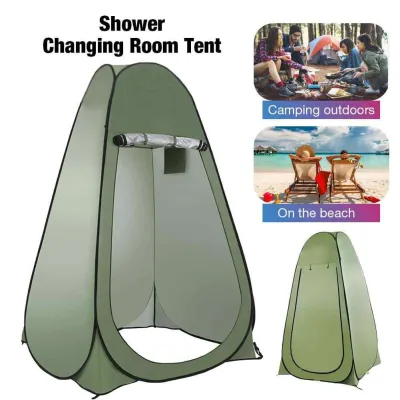
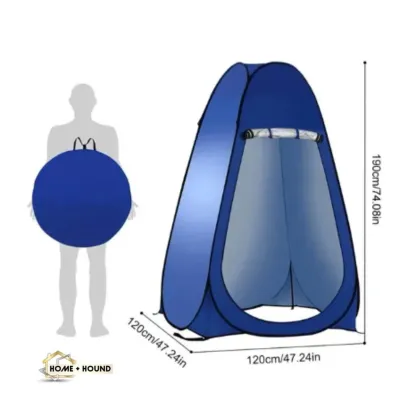
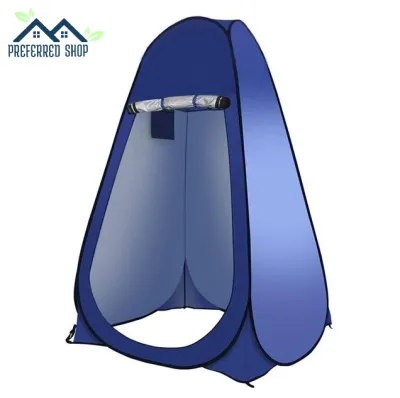
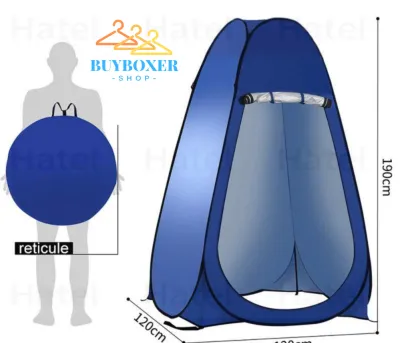
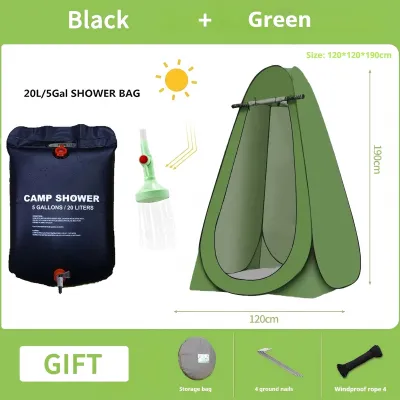
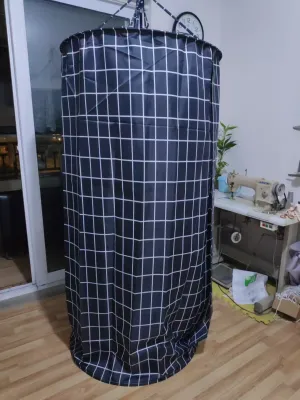
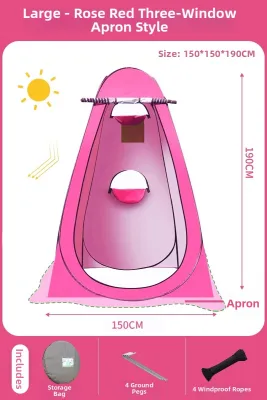
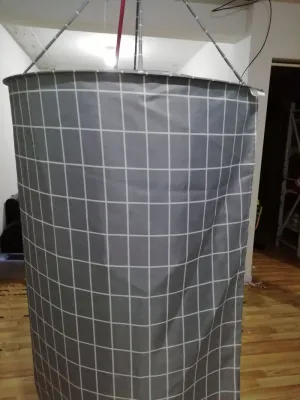
Prices are valid at publication and may change. Please refer to the product page for the latest price.
The environment of your typical campsite also plays a major role in this decision. Popular beach destinations in Batangas or Zambales often feature closely packed campsites with minimal natural cover, meaning any activity outside your tent is in full view of neighboring campers. In these crowded public spaces, having a tall, opaque shelter is incredibly valuable. If you primarily camp in remote, forested wilderness areas where natural foliage provides built-in privacy screens, the need for a dedicated changing structure drops significantly.
Group size and the frequency of simultaneous tent use are the final critical factors to assess. When camping with family or a group of friends, using the main tent as a changing room can create a bottleneck, forcing others to wait outside in the heat or rain while one person gets dressed. If your group includes individuals who require frequent clothing changes—such as children transitioning between wet swimwear and dry clothes—a separate changing space keeps the main sleeping area clean, dry, and accessible to everyone throughout the day.
When a Portable Changing Room Tent Makes Sense
A dedicated portable changing room tent becomes highly practical during beach camping or open-area excursions where natural shade and privacy are virtually non-existent. Coastal campsites often lack trees or rock formations to block the line of sight from public paths. In these environments, trying to change inside a hot, sun-baked main tent can quickly become uncomfortable due to the greenhouse effect, whereas a dedicated privacy tent can be set up closer to the water or under a separate canopy.

For multi-family trips or group outings, a separate changing shelter preserves the harmony of the campsite. It serves as a neutral, communal zone where anyone can quickly change out of wet clothes, apply sun protection, or tend to personal hygiene without invading someone else’s designated sleeping quarters. This setup is particularly useful for keeping damp, sandy beachwear entirely out of the main sleeping tents, preventing abrasive sand and moisture from ruining your bedding.
Basecamp setups, where you plan to stay in one location for several days, also benefit greatly from a dedicated privacy tent. When your main tent is strictly reserved for sleeping and secure gear storage, keeping it closed off preserves its cleanliness and reduces the risk of tracking in mud or insects. A separate changing tent can double as a dry storage area for bulky gear, a portable toilet shelter, or a camp shower station, making your basecamp feel much more organized and comfortable over an extended stay.
When You Can Skip the Extra Gear and Use Your Main Tent
There are many scenarios where bringing an extra changing tent is an unnecessary burden that adds unwanted weight and bulk to your load. If you are backpacking, trail hiking, or engaging in lightweight motorcycle camping, minimizing your pack volume is the absolute priority. Carrying a separate, bulky pop-up tent—which often folds into a large, flat disc that is difficult to lash to a backpack—is highly impractical when every gram and liter of pack space counts.
Solo campers and couples traveling to remote destinations can easily skip the extra gear. When you only have to coordinate with one other person, managing privacy inside a standard dome tent is straightforward and requires no complex scheduling. In remote wilderness areas with low foot traffic, the natural landscape provides all the privacy you need, allowing you to change comfortably outside or within the quick shelter of your main tent’s vestibule.
Additionally, many established campsites now feature well-maintained, private restroom and shower facilities. If your destination offers clean, lockable communal shower stalls or toilets, there is very little reason to pack, set up, and dry out your own privacy shelter. Utilizing the campsite’s existing infrastructure allows you to travel lighter, save setup time, and focus your budget on higher-quality sleeping gear or cooking equipment instead. If you want to save your hard-earned ₱, sticking to your main tent is the most budget-friendly choice.
Key Features to Check Before Buying a Changing Tent
If you decide that a portable changing room tent is a worthwhile addition to your gear collection, you must verify several key specifications before making a purchase. First, evaluate the setup mechanism. Instant pop-up designs utilize flexible steel bands that spring into shape in seconds, making them incredibly convenient for quick stops. However, traditional pole structures, while taking longer to assemble, generally offer superior structural stability and are less likely to collapse or twist in strong coastal winds.
The floor design is another critical feature that depends entirely on how you plan to use the tent. If you intend to use the shelter for showering, look for a floorless design or a tent with a removable mesh perimeter floor that allows water to drain directly into the ground without pooling. For dry changing or portable toilet use, a fully integrated, easy-to-clean PE floor is preferable to keep your feet clean and prevent insects from entering from the damp ground.
Finally, pay close attention to ventilation, weather resistance, and packed dimensions. High-humidity tropical environments require changing tents with large mesh windows, zippered ceiling vents, and double-sided zippers to promote airflow and prevent the interior from becoming a sauna. Ensure the fabric has an adequate water-resistance rating and silver-coated interior lining to block silhouettes from showing through when illuminated by a flashlight at night. Lastly, check that the packed dimensions fit comfortably in your vehicle’s trunk or roof rack alongside your other camping essentials.
Frequently Asked Questions (FAQ)
Can I use a portable changing room tent for showering?
Yes, you can use a portable changing room tent for showering, but you must verify that the tent’s design is compatible with wet use. Look for models that feature a floorless bottom or a removable mesh floor to ensure water drains away instantly rather than pooling around your feet. It is also essential to check the manufacturer’s specifications for water resistance, seam sealing, and quick-drying materials. After use, always allow the tent to dry completely in the sun before packing it away to prevent mold, mildew, and unpleasant odors from developing in the humid tropical climate.
How do I secure a pop-up changing tent in windy conditions?
Securing a lightweight pop-up changing tent in windy conditions requires proper anchoring techniques due to its tall, sail-like profile. Always utilize the included guy lines and heavy-duty stakes, driving them into the ground at a 45-degree angle pointing away from the tent. On sandy beaches or hard ground where stakes might slip, place sandbags, heavy rocks, or filled water jugs inside the corners of the tent to act as internal counterweights. Always check the manufacturer’s wind tolerance guidelines, and proactively collapse the tent during severe weather or high-wind advisories to prevent the flexible frame from bending or breaking.

Community discussion
Share your experience or ask a question. Comments are reviewed before publication.