
Deciding whether to use a thumb splint depends on the nature of your discomfort, the daily demands on your hands, and the specific symptoms you are experiencing. A thumb splint serves as a supportive tool designed to stabilize injured joints, limit painful movements, and give strained ligaments the quiet environment they need to heal. While it is highly effective for managing minor strains, repetitive strain injuries, or mild joint inflammation, a splint is not a universal cure or a substitute for professional medical evaluation. Understanding the physical signals your body sends is the first step in determining if a supportive brace is the right choice for your recovery.
Identifying Common Thumb Strains and Injuries
Our thumbs are involved in almost every manual task we perform, making them highly susceptible to various forms of physical stress. Overuse injuries are incredibly common in modern daily life, often stemming from repetitive gripping, prolonged typing, or hours spent scrolling on mobile devices. In active settings, sports that require a firm grip or involve high-impact contact—such as badminton, basketball, or riding a motorcycle through busy streets—can place immense pressure on the thumb joints, leading to micro-tears in the surrounding tissues.
Ligament strains, often referred to as sprains, typically occur from sudden, forceful impacts. This can happen when you instinctively extend your hand to break a fall on a slippery surface during the rainy season, or when a ball awkwardly strikes the tip of your thumb during a game. These sudden forces stretch or tear the fibrous bands of tissue that connect your bones, resulting in immediate discomfort and localized tenderness.
Products mentioned in this guide
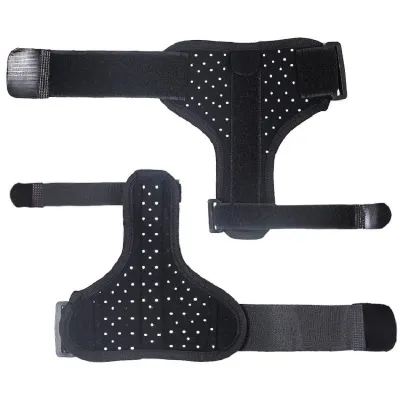
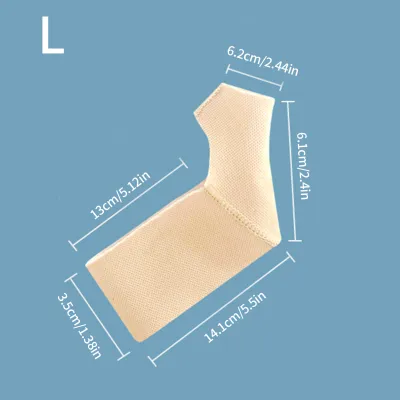
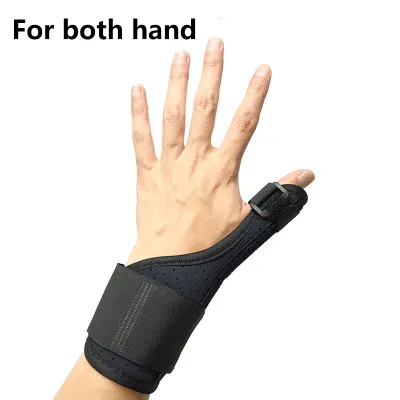
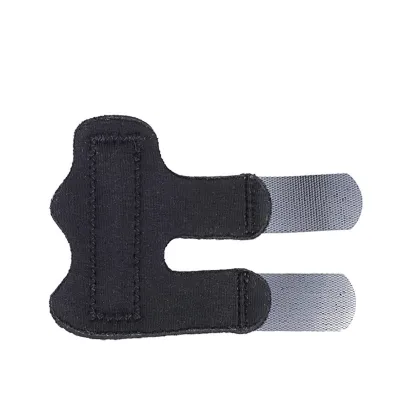
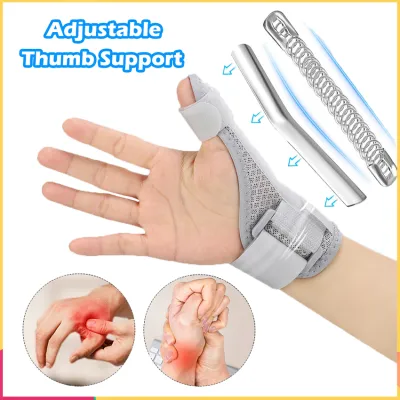
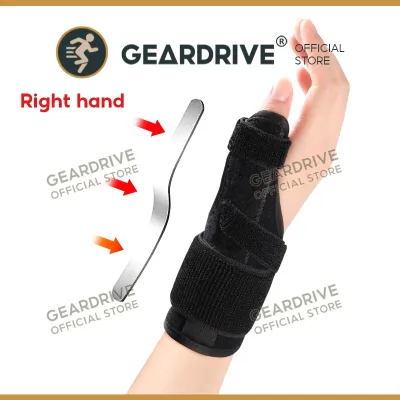
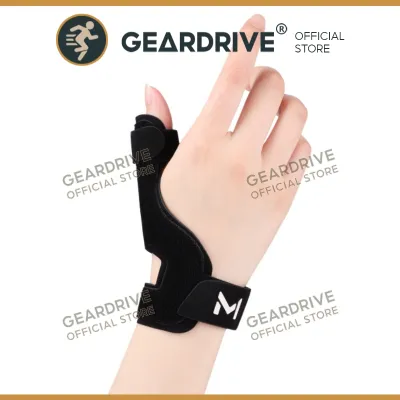
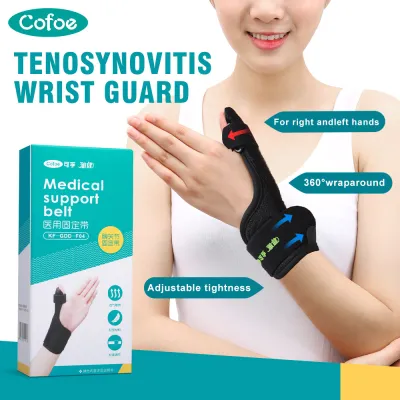
Prices are valid at publication and may change. Please refer to the product page for the latest price.
Joint inflammation is another frequent culprit, often arising from prolonged awkward hand postures or repetitive pinching motions. Tasks like manual crafting, assembly work, or even holding heavy tools for extended periods can irritate the delicate cartilage and synovial membranes within the thumb joints. Over time, this persistent friction leads to chronic soreness that makes even the simplest daily activities feel like a challenge.
Clear Signs Your Thumb Needs Splint Support
Recognizing when your thumb requires external stabilization can prevent a minor strain from developing into a chronic issue. One of the most prominent signs is pain that consistently intensifies during specific functional movements, such as pinching a zipper, turning a key, or twisting open a tight jar. If these everyday actions trigger a sharp, localized ache at the base of your thumb, it indicates that the joint is under active stress and would benefit from the restricted movement a splint provides.

Localized swelling and tenderness around the base joint are also clear indicators that your tissues need rest. When an injury occurs, the body sends extra fluid to the area to protect it, resulting in a puffy appearance and sensitivity to touch. Applying a splint helps keep the joint still, which minimizes further mechanical irritation and allows the swelling to subside naturally over time.
You might also notice a distinct feeling of weakness or fatigue in your hand, making it difficult to hold onto objects securely. If you find yourself dropping lightweight items like a glass of water or struggling to maintain a grip on your phone, your thumb muscles and ligaments are likely fatigued or compromised. A supportive brace takes over some of the structural load, restoring a sense of stability and preventing compensatory strain in your other fingers.
Finally, stiffness that temporarily improves with gentle movement but reliably returns after periods of activity is a classic sign of joint overload. This cycle of stiffness and pain suggests that the joint is not getting sufficient uninterrupted rest to heal. A splint breaks this cycle by enforcing a period of quiet recovery, allowing the inflamed tissues to settle without completely freezing your hand’s overall mobility.
Red Flags: When to Skip the Splint and See a Doctor
While a thumb splint is an excellent tool for self-care, certain symptoms indicate a much more serious injury that requires immediate professional medical attention. You should never attempt to self-treat if you notice any visible deformity, unnatural bending, or obvious misalignment of the thumb joint. These visual cues strongly suggest a bone fracture or a complete joint dislocation, both of which require urgent imaging and specialized orthopedic care to prevent permanent damage.
Another critical warning sign is the complete inability to move the thumb joint or bear any weight with your hand. If you cannot perform a basic pinching motion or if the joint feels entirely unstable and “gives way” under the slightest pressure, you may have a severe ligament tear, such as a complete rupture of the ulnar collateral ligament. Attempting to splint this type of injury at home without a professional diagnosis can lead to chronic instability and long-term loss of hand function.
Pay close attention to neurological symptoms, such as numbness, tingling, or a “pins and needles” sensation radiating through your thumb or adjacent fingers. These sensations often point to nerve compression or swelling that is compromising the blood supply to your hand. Because nerve tissue is highly sensitive to prolonged pressure, delaying a professional medical evaluation can result in lasting sensory or motor deficits.
Lastly, severe, unmanageable pain that does not respond to rest, open wounds near the joint, or signs of infection require immediate clinical care. If you notice spreading redness, localized heat, red streaks, or pus draining from any skin break near the injury, skip the retail splint and head straight to a healthcare facility. Treating an active infection or a deep wound takes absolute priority over stabilizing a joint strain.
Choosing the Right Thumb Splint Support for Your Needs
Selecting the appropriate thumb splint support requires understanding the level of restriction your injury demands. Rigid splints, often featuring built-in metal or plastic stays, are designed for strict immobilization. These are ideal for acute sprains or severe flare-ups where any movement of the thumb joint causes pain. On the other hand, flexible compression sleeves or semi-rigid supports offer mild, active stabilization, allowing for a greater range of motion while still providing comforting warmth and gentle pressure during daily activities.
In a tropical climate like the Philippines, the material of your splint is a vital consideration for daily comfort. High humidity and warm temperatures can quickly lead to sweat accumulation under heavy neoprene braces, causing skin irritation or fungal issues. Look for supports made from breathable, moisture-wicking fabrics or those featuring ventilated panels that allow air to circulate freely around your skin.
Adjustable strap systems, typically utilizing high-quality hook-and-loop fasteners, are essential for achieving a secure and customized fit. These straps allow you to adjust the level of compression throughout the day as swelling naturally increases or decreases. It is crucial to ensure that the straps can be tightened sufficiently to stabilize the joint without pinching the skin or restricting your blood circulation.
To ensure the splint functions correctly, you must measure your hand accurately according to the manufacturer’s sizing guidelines. Most brands require you to measure the circumference of your wrist or the distance from your wrist crease to the base of your thumb knuckle. An ill-fitting splint that is too large will fail to provide adequate stabilization, while one that is too small can cause painful pressure points and restrict blood flow, hindering your recovery.
Safe Usage, Care, and When to Stop
Using a thumb splint safely involves balancing stabilization with natural movement to prevent secondary complications. Always adhere to the manufacturer’s instructions or the guidance of a healthcare professional regarding how many hours a day to wear the support. Unless specifically directed otherwise, avoid wearing a rigid splint continuously for 24 hours a day, as prolonged, uninterrupted immobilization can lead to muscle weakness, joint stiffness, and a longer overall recovery period.
Regularly inspect the skin underneath the splint for any signs of redness, chafing, or excessive moisture buildup. If you notice raw spots or skin breakdown, temporarily remove the brace, clean and dry the area thoroughly, and consider wearing a thin cotton liner underneath the support. Keeping your skin dry and clean is especially important in humid environments to prevent painful rashes.
Maintaining the hygiene of your splint is essential for both skin health and the longevity of the product. Most fabric supports should be hand-washed in cool water using a mild, non-abrasive soap, then rinsed thoroughly to remove all detergent residue. Allow the splint to air-dry completely in a well-ventilated area away from direct sunlight or high heat sources, which can degrade elastic fibers and warp rigid plastic components.
Be attentive to physical signals that indicate the splint is no longer serving its purpose or is causing new issues. If you experience increased pain, new areas of soreness, or a persistent cold feeling in your hand while wearing the brace, remove it immediately. These signs suggest that the splint may be poorly fitted, applied too tightly, or that your injury requires a different therapeutic approach.
Frequently Asked Questions (FAQ)
Is it safe to wear a thumb splint while sleeping?
Wearing a thumb splint while sleeping can be highly beneficial if you tend to unconsciously bend or press against your hand during the night, which can aggravate an existing injury. However, you must verify that the specific product instructions permit extended, continuous wear. When preparing for sleep, it is wise to loosen the adjustable straps slightly to accommodate the natural swelling that often occurs when your body is at rest, ensuring that blood flow remains completely unrestricted.
How do I know if my thumb splint is too tight?
You can easily check if your thumb splint is too tight by monitoring your hand for immediate physical warning signs. Watch your fingertips for any color changes, such as turning unusually pale, blue, or purple, and feel if they are noticeably colder than the rest of your hand. Additionally, if you experience a persistent tingling, numbness, or a throbbing sensation under the straps, the brace is restricting your circulation or compressing a nerve, and you should loosen it immediately.
Can I continue playing sports while wearing a thumb splint?
Continuing to play sports while wearing a thumb splint depends heavily on the physical demands of the activity and the severity of your injury. For high-impact sports or activities requiring a strong, precise grip—such as basketball, tennis, or weightlifting—playing with an active injury carries a high risk of re-injury or compensatory strain on your wrist and elbow. It is always safest to rest the hand during the acute phase of healing and consult a qualified healthcare professional to clear your return to play.

Community discussion
Share your experience or ask a question. Comments are reviewed before publication.