
Choosing the right mini ring basketball setup for your home depends on your living arrangements, available floor area, and how much structural modification your space allows. For renters in compact apartments or condominiums, a door-mounted hoop offers a quick, drill-free setup that maximizes vertical space. Homeowners with dedicated play areas or sturdy concrete walls often prefer the permanent stability of a wall-mounted hoop. Meanwhile, those who want the flexibility to move their game from the bedroom to the living room or out to a covered carport will find a freestanding unit to be the most adaptable option. By matching your physical environment with your play style, you can enjoy active indoor shooting without risking damage to your property.
Evaluate Your Space and Installation Limits
Before purchasing any indoor hoop, you must assess the physical dimensions and structural integrity of your intended play area. For door-mounted setups, start by measuring the width and thickness of your chosen door. Most over-the-door brackets are designed for standard interior doors, but you must also check the top clearance. There should be at least a two-millimeter gap between the top of the door and the frame so the door can close smoothly with the brackets in place. Additionally, verify whether your door is solid wood or hollow-core. Hollow-core doors, which are common in modern apartments, consist of thin plywood over a cardboard honeycomb center and cannot withstand heavy downward pull or sharp impacts.
Wall-mounted hoops require a completely different set of structural checks. In many homes, interior walls are made of concrete hollow blocks or solid concrete, while newer partitions may use drywall or fiber cement boards over light metal studs. Mounting a hoop on concrete requires a hammer drill and masonry expansion bolts to ensure a secure fit. If you are mounting on drywall, you must locate the wooden or metal studs behind the wall; securing a hoop directly into unsupported drywall will eventually cause the anchors to tear out. Always review your rental agreement before drilling, as most landlords strictly prohibit permanent wall alterations.
Products mentioned in this guide
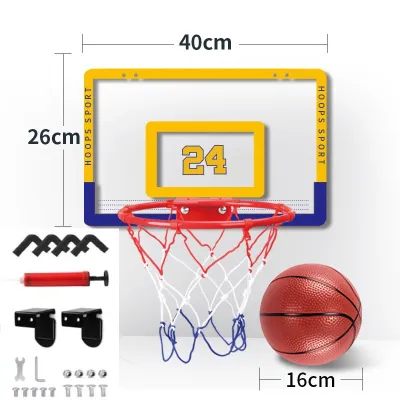
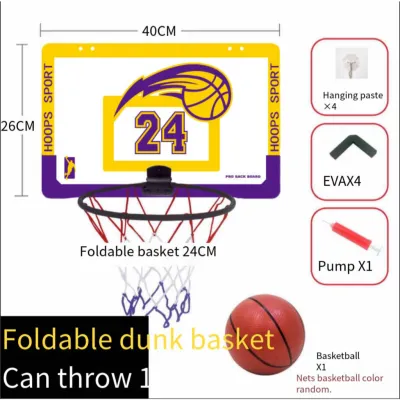
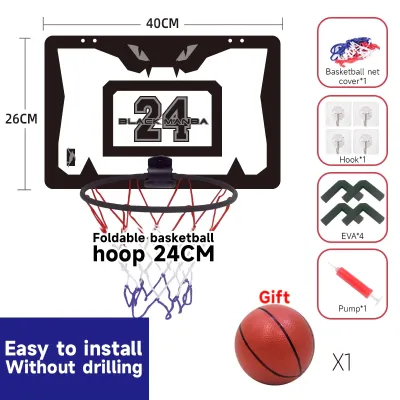
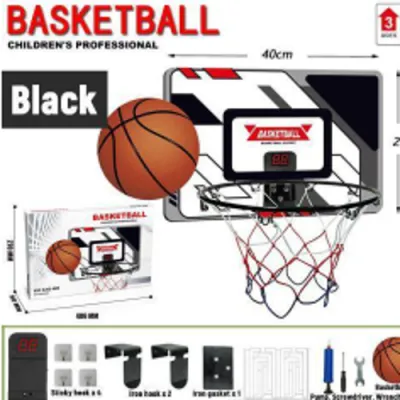
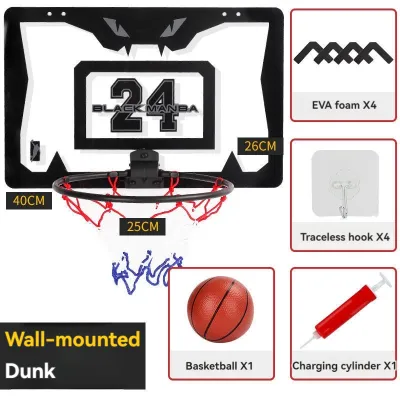
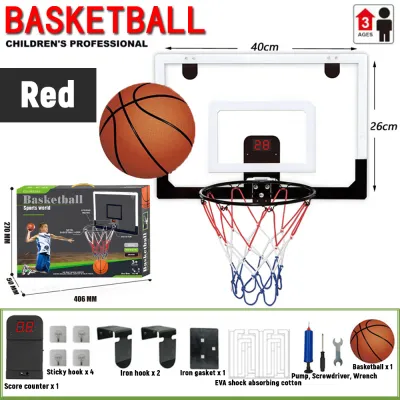
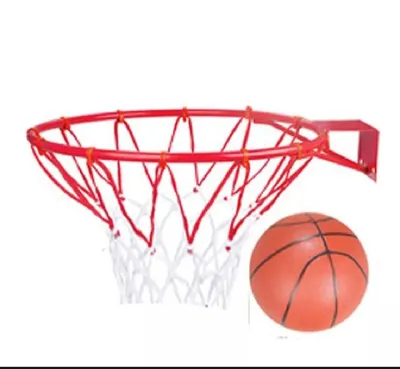
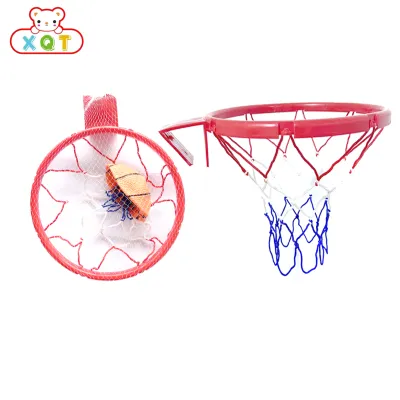
Prices are valid at publication and may change. Please refer to the product page for the latest price.
Freestanding units do not require wall or door mounting, but they demand significant floor space. Measure the footprint of the base, which typically requires a clear area of at least 50 by 50 centimeters. You must also ensure there is enough clearance around the unit so players do not trip over the base during play. Ceiling height is another critical factor. While the rim itself may be adjustable, the top of the backboard extends much higher. Ensure your room has enough vertical clearance to accommodate high-arc shots without hitting ceiling fans, light fixtures, or concrete beams.
Match Stability and Durability to Your Play Style
Aligning your hoop choice with the age, strength, and play intensity of the users is essential for preventing property damage and equipment failure. Door-mounted hoops are generally designed for casual, light shooting. Because they hang on a moving door, every shot produces some level of vibration and noise. Even if the hoop features a spring-action breakaway rim, it is not built to support the weight of a hanging player. Always check the manufacturer’s label for weight limits and dunking restrictions. Aggressive play on a door-mounted hoop can warp the metal brackets, crack the plastic backboard, or pull the door hinges out of alignment.

Wall-mounted hoops offer the highest level of stability and the most realistic rebound action. When anchored securely into solid concrete or wall studs, the backboard remains rigid, allowing the ball to bounce off the board naturally. This makes wall-mounted setups the preferred choice for older children, teenagers, or adults who want to practice serious shooting forms or engage in competitive play. However, this durability is entirely dependent on the quality of your installation and the strength of the underlying wall structure.
Freestanding hoops offer a middle ground but come with specific stability trade-offs. The stability of a freestanding unit relies entirely on gravity and the weight of its base. Most bases must be filled with either water or sand to keep the unit upright. A dry, empty base will tip over with the slightest impact. Even when fully weighted, lighter freestanding models may slide or tilt if subjected to aggressive layups or outdoor wind gusts. If you anticipate fast-paced games, ensure the base capacity is large enough to keep the entire structure firmly anchored to the floor.
Quick Comparison: Door, Wall, and Freestanding Mounts
Selecting the right mounting style involves balancing your space limitations against your installation flexibility and play requirements.
| Mounting Type | Space Required | Installation Effort | Rent-Friendly | Stability Level | Portability |
|---|---|---|---|---|---|
| Door-Mounted | Minimal (uses existing doors) | Very Low (no tools required) | Yes | Low to Moderate | High (easy to move or store) |
| Wall-Mounted | Low (requires clear wall space) | High (requires drilling and anchors) | No | High | None (permanent setup) |
| Freestanding | Moderate to High (requires floor space) | Moderate (assembly and base filling) | Yes | Moderate | Moderate (can roll or carry) |
Note: Specific weight capacities, backboard materials, and exact dimensions vary by model. Always verify these specifications on the individual product packaging before purchase.
How to Choose the Right Setup for Your Home
To make the final decision, evaluate your specific living situation and structural constraints against these common scenarios.
Choose a door-mounted setup if you live in a rented apartment or condominium where drilling is strictly prohibited. This style is ideal if you have zero available floor space and want a budget-friendly, damage-free option that you can set up or take down in less than five minutes. It is perfect for casual bedroom shooting or office play.
Choose a wall-mounted setup if you own your home or have explicit permission from your landlord to drill into the walls. This option is best if you have a solid concrete wall or a stud-backed wall in a dedicated play area, and you want a permanent, high-stability training hoop that can withstand daily, active shooting practice.
Choose a freestanding setup if you have ample floor space, want the flexibility to move the hoop between different rooms or take it out to a covered garage or driveway, and cannot or do not want to mount anything to your walls or doors. This is highly suitable for spacious playrooms or homes with private outdoor areas.
Before finalizing your purchase, perform these quick checks: tap your doors to confirm if they are solid wood or hollow-core, use a stud finder or tap test on your walls to identify their material, and check the level of your floors, as uneven tiles or sloped concrete will cause freestanding bases to wobble.
Essential Safety Checks and Setup Verification
Safe installation is crucial to prevent personal injury and property damage during active play. For door-mounted hoops, always inspect the brackets for pre-applied foam padding before hanging the unit. If the padding is missing or worn, apply felt or foam strips to protect the door paint and wood finish. Once hung, gently open and close the door to check for clearance. If you hear loud squeaks from the hinges or notice the door frame flexing, stop using the hoop immediately to avoid structural damage.
For wall-mounted installations, ensure you use the correct drill bit size for your masonry anchors or lag bolts. Tighten all bolts according to the instruction manual until they are fully seated and flush against the mounting bracket. Never hang on the rim or attempt to perform full-weight dunks, as this can shear the bolts or pull chunks of concrete out of the wall, posing a severe safety hazard to anyone nearby.
For freestanding units, always fill the base completely to the manufacturer’s designated fill line before attaching the neck and backboard. If you use water, check the base periodically for small cracks or leaks, especially in hot, humid climates where plastic can degrade over time. If you use sand, ensure it is completely dry when pouring to prevent clumping, which makes filling the base difficult. Never use a freestanding hoop with an empty or partially filled base.
Frequently Asked Questions (FAQ)
Will a door-mounted mini ring damage my door?
A door-mounted mini ring can cause damage if it lacks proper protective padding or if it is installed on a fragile door. Most high-quality mini hoops include thick foam backing on the rear of the backboard and inside the hanging brackets to absorb impact and prevent scratches. However, if you install the hoop on a thin, hollow-core door and play aggressively, the door surface can crack, and the hinges may sag over time. To prevent damage, always use the included foam pads, avoid hanging on the rim, and check that the door hinges remain tight and secure.
Can I use a freestanding mini ring outdoors?
Whether you can use a freestanding mini ring outdoors depends on the materials used in its construction. Check the product label to verify if the backboard, rim, and metal pole are rated for outdoor use, which typically requires UV-resistant plastics and rust-resistant coatings on metal parts. In tropical environments with high humidity and heavy rainfall, non-rated metal components will quickly rust, and cheap plastics may become brittle under direct sunlight. If you do use it outdoors, ensure the base is heavily weighted to prevent wind from tipping it over, and store the unit indoors or under a covered patio during severe weather.

Community discussion
Share your experience or ask a question. Comments are reviewed before publication.