
Setting up an effective home basketball training space requires a thoughtful combination of a reliable basketball, a stable hoop system, and targeted training aids. While a full-sized court is ideal, you can develop elite ball-handling, shooting form, and footwork in a standard driveway, carport, or even a small backyard. The key is selecting gear that matches your physical environment, skill level, and specific training objectives. By evaluating your space and choosing the right tools, you can build a highly productive practice routine that delivers measurable skill improvements.
Assessing Your Home Practice Space and Goals
Before purchasing any equipment, you must carefully measure your available training area to identify physical constraints. A standard half-court requires significant space, but a flat area of at least 3 by 3 meters is sufficient for stationary ball-handling, footwork drills, and close-range form shooting. If you plan to install a hoop, ensure you have adequate vertical clearance, keeping an eye out for low-hanging tree branches, power lines, roof gutters, or carport ceilings.
The surface material of your practice space directly dictates your equipment choices and training safety. Smooth concrete and asphalt are the most common outdoor surfaces, offering consistent ball bounce and excellent traction, though they are highly abrasive on both basketballs and joints. Tiled carports or paved driveways can become incredibly slippery when wet or dusty, requiring extra caution during high-speed directional changes. If you are practicing indoors, such as in a garage or a spacious basement, ensure the flooring can withstand high-impact dribbling without cracking or scuffing.
Products mentioned in this guide
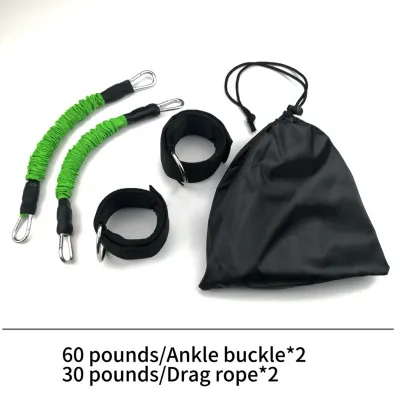
Prices are valid at publication and may change. Please refer to the product page for the latest price.
Environmental factors and local climate conditions also play a critical role in your setup. In tropical regions like the Philippines, outdoor equipment must endure intense sun exposure, high humidity, and sudden heavy downpours. Metal components must feature rust-resistant powder coatings, and plastic parts should be UV-stabilized to prevent cracking over time. Additionally, consider noise levels in your neighborhood; the repetitive thud of a basketball on concrete can easily disturb nearby residents. If noise is a concern, you may need to schedule your practices during acceptable daytime hours or invest in sound-dampening rubber tiles to place over your dribbling zone.
Choosing the Right Basketball for Your Surface
Selecting the appropriate basketball is essential for maintaining consistent ball control and protecting your investment. Basketballs are generally categorized into indoor, outdoor, and indoor/outdoor hybrid models. Indoor basketballs are typically crafted from genuine leather or premium composite leather, which absorb moisture from your hands to provide an exceptional grip. However, these soft materials degrade rapidly when exposed to rough outdoor concrete or asphalt, leading to scuffed covers and ruined grip within a few sessions.

For home practice on driveways or outdoor courts, outdoor basketballs made of durable rubber or heavy-duty composite leather are the standard choice. Rubber basketballs are highly affordable and exceptionally resistant to rough surfaces, dirt, and moisture, making them ideal for harsh outdoor environments. Hybrid indoor/outdoor composite balls offer a middle ground, providing a softer feel closer to a game ball while retaining enough durability to withstand moderate outdoor wear.
Matching the ball to the player’s profile is equally important for proper skill development. Official size standards must be followed: Size 7 (29.5-inch circumference) is the standard for men and boys aged 15 and older; Size 6 (28.5-inch circumference) is used for women and youth players aged 12 to 14; and Size 5 (27.5-inch circumference) is designed for children aged 11 and under. If you are practicing in highly confined indoor spaces, a smaller mini-basketball paired with a miniature hoop is a safer option to prevent household damage.
Before finalizing any purchase, perform a few quick quality checks. Inspect the pebble texture on the cover; deeper, more pronounced pebbles offer superior grip when your hands are sweaty. Examine the channel depth, as deeper channels allow for better finger placement and spin control during shooting drills. Finally, check the air valve and bladder specifications; a high-quality butyl bladder is preferred for its superior air retention, ensuring you spend more time training and less time pumping the ball.
Selecting a Hoop System for Limited Spaces
Choosing a hoop system requires balancing stability, installation complexity, and the physical footprint of the unit. Portable hoop systems are highly popular for home use because they do not require permanent installation. These systems feature a large plastic base that must be filled with water or sand to keep the unit upright. While portable hoops offer the flexibility to be rolled away when not in use, their large bases require significant ground space and can limit your playing area.
Wall-mounted hoops are an excellent alternative for tight spaces, such as carports or narrow driveways. By mounting the backboard directly to an exterior brick or concrete wall, you completely eliminate the ground footprint of a base, maximizing your usable court space. However, wall-mounted systems require a highly secure, load-bearing structure and professional installation to ensure safety. Over-the-door mini-hoops are strictly for indoor, low-impact recreational use and should never be subjected to heavy play or standard-sized basketballs.
The backboard material significantly influences both the rebound response and the overall durability of the system. Polycarbonate backboards are virtually indestructible and highly resistant to weathering, making them a safe choice for households with active kids, though they tend to absorb impact and offer a dull, dead rebound. Acrylic backboards provide a cleaner, professional look and a much livelier rebound, but they can scratch and craze over time under intense sunlight. Tempered glass is the gold standard used in professional arenas, offering the truest rebound and maximum rigidity, but it is heavy, expensive, and requires a highly stable mounting system.
Safety and adaptability must guide your rim and height-adjustment choices. A spring-loaded breakaway rim is highly recommended for home systems, as the springs absorb the downward force of a shot or an accidental hang, protecting the backboard from shattering or warping. Standard fixed rims are cheaper but transfer all impact directly to the backboard and mounting brackets, increasing the risk of structural failure. Ensure the hoop features a reliable height-adjustment mechanism, allowing you to lower the rim to 7.5 feet for younger players to practice proper shooting mechanics, and raise it to the official 10 feet as they grow.
Agility and Ball-Handling Tools for Skill Development
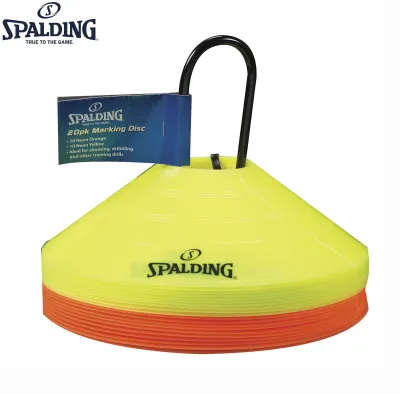
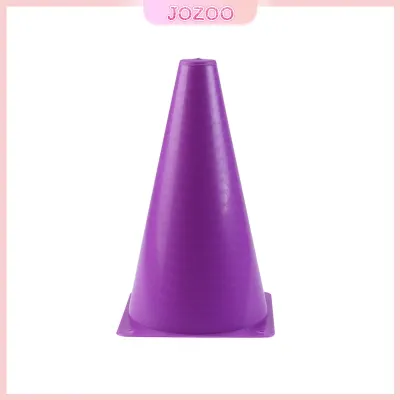
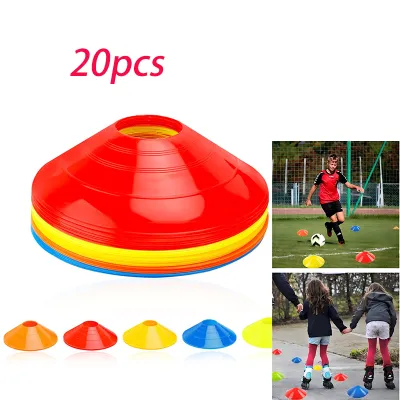
While a hoop is excellent for shooting practice, supplementary training tools are invaluable for developing the footwork, lateral quickness, and hand-eye coordination required for real-game scenarios. Agility ladders and training cones are simple, cost-effective tools that can be set up on any flat surface. Utilizing cones for crossover drills forces you to stay low and change directions sharply, while agility ladders improve foot speed, coordination, and balance.
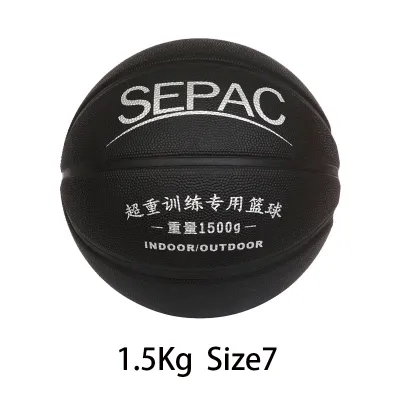
For advanced ball-handling development, specialized training aids can accelerate your progress. Weighted basketballs, which typically weigh twice as much as a standard ball, are excellent for strengthening your fingers, wrists, and forearms. Training with a weighted ball makes a standard basketball feel incredibly light and easy to control during games. Dribbling goggles, which block your downward peripheral vision, force you to keep your head up while dribbling, training you to scan the court and spot open teammates rather than staring at the ball.
If you practice alone, a rebounder net or a solo passing trainer can simulate a training partner. These elastic nets catch your passes and bounce the ball back to you at various angles, allowing you to practice catch-and-shoot mechanics or quick catch-and-drive moves. Resistance bands and parachutes can also be integrated into your routine to build explosive first-step speed and lower-body power.
It is crucial to remember that these supplementary tools are designed to enhance your training, not replace foundational mechanics. A player cannot rely solely on high-tech gear to improve; the core of basketball development lies in disciplined, high-repetition practice of basic skills. Always prioritize proper form, balance, and control before adding resistance or speed-enhancing tools to your routine.
Building a Structured Home Training Routine
To maximize the value of your home training equipment, you must organize your practice sessions into a structured, repeatable routine. A highly effective 60-minute home workout should allocate time proportionally to ensure balanced skill development. Begin with a 10-minute dynamic warm-up consisting of light jogging, high knees, and dynamic stretching to prepare your muscles and joints for explosive movements, reducing the risk of injury.
Dedicate the next 20 minutes to foundational ball-handling and footwork. If you have limited space, focus on stationary dribbling drills—such as pounds, crossovers, and figure-eights—using both your dominant and non-dominant hands. If space permits, integrate training cones to practice change-of-pace and change-of-direction moves. Follow this with 20 minutes of shooting practice, starting close to the hoop to establish proper form before gradually stepping back. If a hoop is unavailable, adapt this segment to focus on wall-passing drills, defensive sliding, or lying on your back to practice your shooting release and backspin.
Conclude your session with 10 minutes of conditioning and a thorough cool-down. High-intensity interval training (HIIT) drills, such as suicide runs or rapid defensive slides, build the cardiovascular endurance needed to maintain peak performance late in a game. Finish with static stretching to promote muscle recovery and flexibility.
To ensure continuous improvement, establish clear, observable metrics to track your progress over time. Record your shooting percentages from specific spots, count how many consecutive dribbles you can complete without losing control, or time your agility ladder runs. When you consistently meet your target metrics, increase the difficulty by speeding up the drills, adding resistance, or introducing more complex movement patterns.
Frequently Asked Questions (FAQ)
Can I use an indoor basketball on an outdoor concrete driveway?
Using an indoor basketball on a rough outdoor concrete driveway is highly discouraged because it will rapidly ruin the ball. Indoor basketballs are made of soft composite or genuine leather designed specifically for smooth hardwood courts. When subjected to the abrasive surface of concrete or asphalt, these delicate materials will quickly scuff, peel, and lose their grip. Additionally, outdoor dirt and moisture will clog the pores of the leather, permanently damaging its texture. For driveway practice, always use a dedicated outdoor rubber ball or a durable outdoor composite ball designed to withstand rough surfaces.
How much weight should a portable basketball hoop base hold?
A portable basketball hoop base must hold enough weight to ensure absolute stability and prevent dangerous tipping. Most standard residential portable hoops require a base capacity of at least 25 to 40 gallons (approximately 95 to 150 liters). While filling the base with water is convenient, filling it with play sand is highly recommended because sand is denser and heavier than water, providing superior stability. Never allow players to dunk or hang on the rim of a portable system unless it is specifically rated for dunking and heavily anchored. If you observe any lifting of the base or wobbling during play, immediately stop using the hoop and reinforce the base with additional weight or ground anchors.

Community discussion
Share your experience or ask a question. Comments are reviewed before publication.