
Selecting the right camping tent for tropical climates requires balancing two opposing forces: keeping heavy rainfall out while letting high humidity escape. In the Philippines, where sudden downpours can quickly saturate the ground and ambient humidity often approaches 100 percent, a standard budget tent can rapidly turn into a damp, suffocating enclosure.
To maintain a dry and comfortable sleeping environment, campers must prioritize specific design features such as high hydrostatic head ratings, full-coverage rainflies, double-wall construction, and strategic ventilation systems. Understanding how these features interact with tropical weather patterns is the key to a successful outdoor adventure.
Understanding the Climate Challenges for Camping in the Philippines
Camping in a tropical archipelago means preparing for rapid weather transitions. Heavy monsoon downpours, often associated with the southwest monsoon (habagat) or localized thunderstorms, deliver high volumes of water in short periods. This intense rainfall tests the physical integrity of tent fabrics and the water-shedding capability of the rainfly.
Products mentioned in this guide
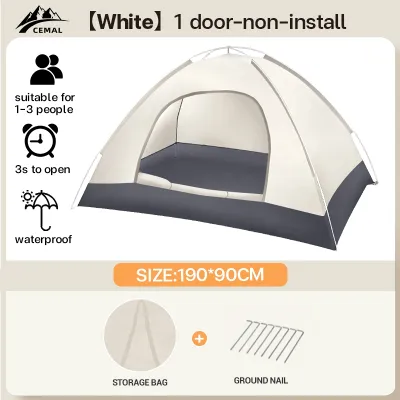
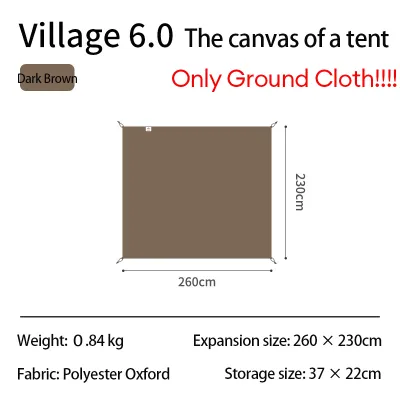
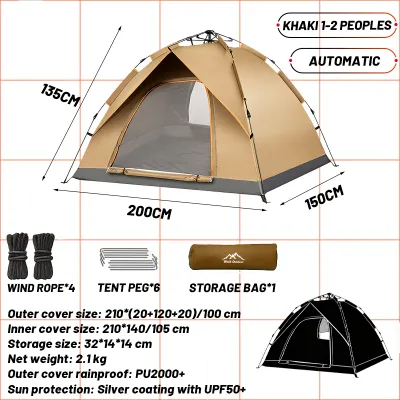
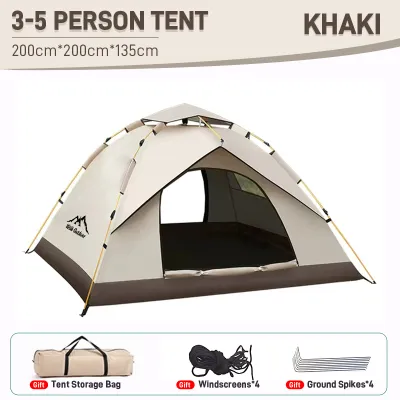
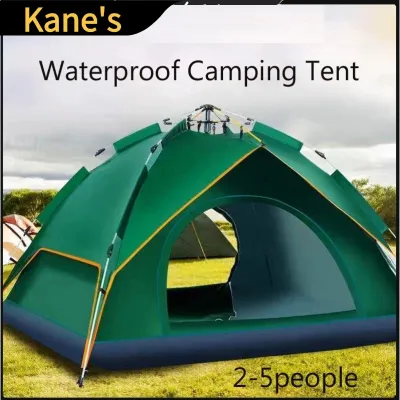
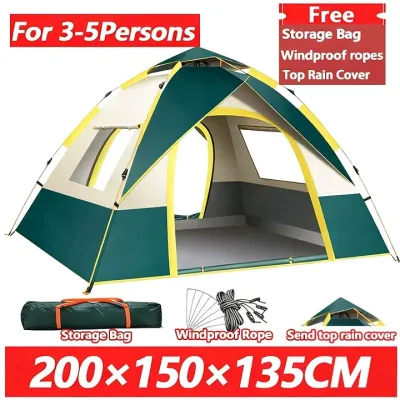
Prices are valid at publication and may change. Please refer to the product page for the latest price.
Conversely, light, persistent drizzle during the northeast monsoon (amihan) can slowly saturate materials over several days. This continuous moisture finds any weak points in seam seals or fabric coatings, leading to slow leaks if the tent is not properly maintained.
Beyond active rainfall, high ambient humidity presents a constant challenge for tropical campers. When the air is already saturated with moisture, the water vapor generated by human respiration and perspiration cannot easily evaporate. Inside a sealed tent, this moisture condenses on the cooler fabric walls, creating an internal dampness that can wet sleeping bags and clothing.
Temperature fluctuations also play a significant role in tent performance and occupant comfort. While coastal campsites remain warm throughout the night, elevated destinations such as the mountains of the Cordillera region experience substantial temperature drops after sunset. These temperature differentials accelerate the condensation process on tent walls.
Waterproofing and Weather Resistance Specifications
To withstand tropical downpours, campers must look closely at technical specifications, starting with the hydrostatic head (HH) rating. This measurement, expressed in millimeters (mm), indicates the amount of water pressure a fabric can withstand before moisture penetrates.

For the unpredictable weather encountered in the Philippines, a rainfly rating of at least 1,500mm to 3,000mm is generally recommended to handle heavy rain. The tent floor requires an even higher rating, often 3,000mm or more, because the physical weight of occupants kneeling or sleeping exerts direct pressure on the damp ground, forcing water upward through the fabric.
Seam construction is another critical point of inspection when evaluating a camping tent. Even the most waterproof fabric will leak if the stitching is left unprotected. High-quality tents feature factory-taped seams, where a waterproof tape is thermally applied over the interior stitching.
Campers should inspect these seams closely, looking for uniform adhesion without lifting, bubbling, or gaps. For older tents or budget models without factory sealing, applying a liquid seam sealer manually along the stitching lines is a necessary preventative measure before heading into the field.
The physical design of the tent’s exterior elements determines how effectively it sheds water. A full-coverage rainfly that extends all the way to the ground is essential for tropical camping, as partial rainflies leave the inner tent body exposed to wind-driven rain.
Additionally, a generous vestibule space created by the rainfly provides a dry area to store muddy boots and wet backpacks, keeping damp gear out of the main sleeping compartment. Finally, a “bathtub” floor design—where the waterproof floor material extends several inches up the sides of the tent before meeting the wall fabric—prevents pooling ground water from seeping through the lower seams.
Ventilation and Condensation Management
Managing interior moisture in a humid climate requires a continuous exchange of air. Mesh panels are the primary tool for facilitating this airflow, but their placement and density must be carefully evaluated.
Tents designed for tropical conditions feature large sections of fine, high-density mesh on the inner tent body. This mesh must be fine enough to exclude tiny biting insects, such as midges or “niknik,” while still allowing gentle breezes to pass through.
To maximize airflow, mesh panels should be positioned on opposite sides of the tent to encourage cross-ventilation, drawing cool air in from the bottom and pushing warm, moist air out through the top.
The structural layout of the tent significantly impacts how condensation is managed. Double-wall tents, which consist of a separate breathable inner canopy and a waterproof outer rainfly, are highly effective for humid environments.
In this configuration, warm moisture exhaled by campers passes through the breathable inner mesh and condenses on the underside of the outer rainfly. The moisture then runs down the inside of the rainfly to the ground, keeping the occupants dry inside the inner tent.
Single-wall tents, while lighter and easier to pitch, lack this protective barrier, meaning condensation forms directly on the interior walls of the living space.
Adjustable roof vents and awning configurations are vital for maintaining airflow during active rainfall. When a heavy downpour forces campers to zip up the rainfly completely, dedicated vents located near the peak of the tent must remain open.
These vents are typically supported by small kickstands and protected by hoods to prevent rain from entering. Some tents also feature rainfly doors that can be configured as awnings using trekking poles, providing a sheltered entryway that allows the main door to remain partially unzipped for ventilation even while it rains.
Material Durability and Mold Prevention
The choice of tent fabric directly influences how the shelter handles moisture absorption, weight, and drying times. Polyester and nylon are the two most common synthetic materials used in modern tents.
Polyester is highly suitable for wet climates because it absorbs very little water, resists sagging when wet, and offers better resistance to ultraviolet (UV) degradation from the intense tropical sun.
Nylon is lighter and highly durable, but it tends to absorb more water, which can cause the fabric to sag and stretch when wet, requiring campers to re-tension the guy lines during a storm.
The structural integrity of the tent depends heavily on the pole material, especially when wet soils reduce peg holding power and wind gusts put pressure on the frame.
Aluminum poles are highly recommended for tropical camping due to their excellent strength-to-weight ratio, flexibility under wind loads, and resistance to rust.
In contrast, fiberglass poles, while common in budget tents, are heavier, less flexible, and prone to splintering or shattering under sudden stress, which can tear the tent fabric and leave campers without shelter.
In the high-humidity environment of the Philippines, mold and mildew can ruin a tent in a matter of days. When inspecting tents, campers should check manufacturer specifications for specialized coatings.
Some fabrics are treated with polyurethane (PU) coatings that include anti-microbial or mold-resistant additives. While these treatments help inhibit fungal growth, they do not replace the need for proper care.
Understanding the limitations of these coatings is important, as prolonged exposure to moisture will eventually break down even treated polyurethane, leading to a sticky texture and a distinct sour odor.
Setup, Maintenance, and Drying Practices
Proper campsite selection is the first line of defense against water ingress. When pitching a tent, campers should look for elevated ground with natural drainage, avoiding depressions, dry creek beds, or areas where water visibly pools during rain.
Pitching on a slight slope can help water run away from the tent, but care must be taken to position the sleeping area comfortably.
Using a footprint—a durable ground cloth cut slightly smaller than the tent floor—protects the bottom of the tent from sharp rocks and roots while preventing water from collecting between the footprint and the tent floor.
Post-trip maintenance is critical for preserving the waterproof coatings and fabric strength of a camping tent. After returning from a trip, the tent must be pitched or hung up to dry completely in a shaded, well-ventilated area.
Direct sunlight should be avoided during extended drying sessions, as UV rays can degrade the synthetic fibers and waterproof coatings over time.
Any dirt, mud, or sand should be gently wiped away with a damp sponge and clean water; harsh detergents or washing machines should never be used, as they can strip away the protective polyurethane and water-repellent finishes.
Campers must remain vigilant for early signs of mold, mildew, or seam degradation. If a tent develops a musty smell, dark spots, or if the seam tape begins to flake and peel, immediate action is required.
Minor seam peeling can often be repaired at home using specialized outdoor gear adhesives and seam sealers.
However, if the waterproof polyurethane coating on the inside of the fabric begins to feel sticky, peel off in large flakes, or emit a strong chemical odor, the material’s integrity has been compromised. In such cases, campers should stop using the tent in wet conditions and consult a professional repair service or contact the manufacturer for guidance.
Frequently Asked Questions (FAQ)
Is a 3-season tent sufficient for camping in the Philippines?
Yes, a well-designed 3-season tent is generally sufficient and often highly suitable for camping in the Philippines. These tents are engineered to balance ventilation and weather protection, featuring large mesh panels that allow heat and humidity to escape while utilizing a full-coverage rainfly to keep out heavy rain.
A 3-season tent can handle the typical wind and rain encountered during the wet season, as well as the warmer temperatures of the dry season. However, for extreme high-altitude climbs or camping during severe tropical storms, a specialized tent with a more robust pole structure and heavier fabrics may be necessary to withstand high winds and intense pressure.
How can I reduce condensation inside my tent during humid nights?
To minimize condensation during humid nights, campers should focus on maximizing airflow and managing moisture sources. Position the tent so that the mesh doors or vents align with the prevailing breeze to encourage cross-ventilation.
Keep all adjustable roof vents fully open, even if it is raining, as closing them traps warm, moist air inside. Avoid bringing wet clothes, muddy boots, or damp gear into the main sleeping compartment; instead, store them in the vestibule area.
Additionally, try to pitch the tent away from immediate water sources, low-lying damp ground, or dense vegetation, as these areas naturally have higher local humidity levels that accelerate condensation.

Community discussion
Share your experience or ask a question. Comments are reviewed before publication.