
Selecting the right women’s belt bag for running and gym workouts requires looking beyond simple aesthetics to find a balance of stability, moisture protection, and streamlined storage. A high-quality athletic belt bag must stay firmly anchored to your body during high-impact movements while shielding your valuable electronics and personal items from heavy sweat and unpredictable tropical weather. Whether you are sprinting on an outdoor track or navigating a crowded weight room, the right gear ensures your focus remains entirely on your performance rather than adjusting a slipping strap.
Matching Belt Bag Features to Running and Gym Demands
High-impact cardio, interval training, and sprinting subject your gear to rapid vertical and lateral forces. A standard casual waist pack is not built to handle these movements; it will bounce, shift, and rotate around your waist, which disrupts your running posture and causes unnecessary distraction. To counter this, an athletic belt bag must feature a low-profile, body-hugging silhouette that distributes weight evenly across your center of gravity, keeping the bag stable even during maximum effort.
Sweat and moisture exposure are constant challenges when training in warm, humid tropical climates. Whether you are running outdoors along a coastal road or pushing through an intense lifting session in a fan-cooled local gym, your body heat and perspiration will quickly saturate standard fabrics. This moisture can easily seep through cheap materials, potentially damaging sensitive electronic car keys, smartphones, or paper gym passes. An effective workout bag must utilize specialized moisture-resistant barriers to keep your belongings dry.
Products mentioned in this guide
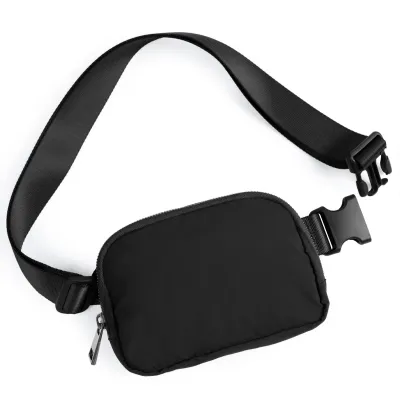
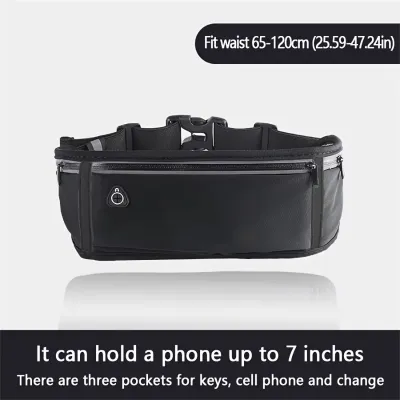
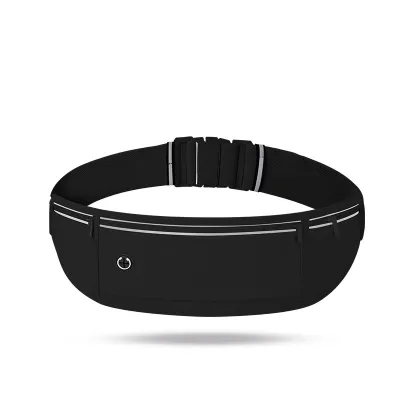
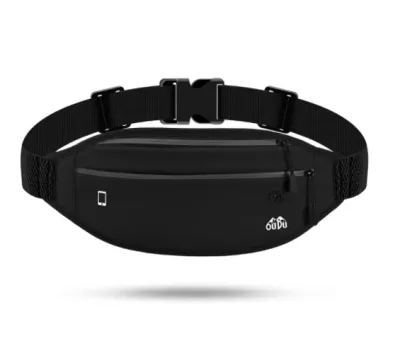
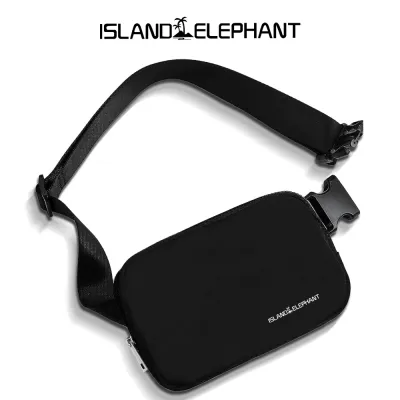
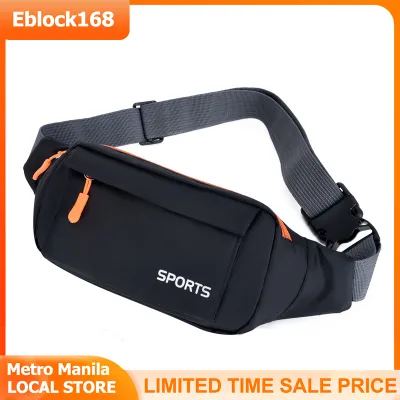
Prices are valid at publication and may change. Please refer to the product page for the latest price.
Quick-access needs also differ significantly depending on your training environment. During a long outdoor run, you may need to grab an energy gel, check your GPS pace, or access hydration without breaking your stride. On the gym floor, your needs shift to quickly retrieving a locker key, adjusting your wireless earbud settings, or logging your sets on a fitness app between exercises. A well-designed bag features dedicated, easily accessible compartments that allow you to retrieve these items with one hand while keeping them organized and secure.
Evaluating Materials, Hardware, and Build Quality
When evaluating a belt bag, start by checking the manufacturer’s material specifications on the product labels or tags. High-performance synthetic fabrics such as nylon, ripstop, and polyester blends are the industry standard for athletic gear due to their lightweight durability. Look specifically for terms like water-resistant, moisture-wicking, or quick-dry, which indicate that the fabric is engineered to repel sweat and withstand sudden tropical downpours without absorbing water and becoming heavy.

Hardware durability is a critical factor that prevents mid-workout failures. Inspect the zippers closely; they should operate smoothly without snagging on the surrounding fabric. Look for zippers that feature water-resistant polyurethane tracks or protective fabric flaps that shield the zipper teeth from sweat and rain. Additionally, examine the seam construction along the stress points of the bag, ensuring there is double-stitching or taped seams that can handle the constant tension of being pulled tight against your body.
The buckle and strap adjustment mechanisms must be robust enough to lock securely under tension. A cheap or loose buckle will gradually slip as you run, causing the bag to sag and bounce. Look for heavy-duty plastic or lightweight composite buckles that snap together with a distinct, solid click. The adjustment sliders should grip the strap webbing firmly, preventing it from sliding freely when subjected to the repetitive vibrations of running or jumping. Whether you are investing ₱1,000 or more in a specialized athletic bag, checking these hardware details ensures long-term durability.
Sizing, Storage Layout, and Comfort Adjustments
Achieving a comfortable fit requires accurate measurements rather than relying on generic one-size-fits-all claims. Use a flexible measuring tape to measure your waist or hips, depending on where you prefer to position the bag during your workouts. Compare these measurements directly against the manufacturer’s specific size chart, keeping in mind that thick activewear or compression shorts can slightly alter how the bag sits on your body.
The internal storage layout should keep your items organized and protected from friction damage. Look for a bag that features a dedicated, padded compartment for your smartphone to keep it completely isolated from sharp metal keys, coins, or gym locker padlocks. Internal mesh pockets, elastic bands, or card slots are highly useful for securing your gym ID, driver’s license, and emergency cash, preventing them from rattling around or falling out when you open the main compartment.
Comfort during extended wear depends heavily on strap design and padding. A strap that is too narrow can dig into your skin or activewear, causing painful chafing and red marks after a long run or a series of squats. Opt for wider straps or those featuring breathable mesh padding on the back panel. This design helps distribute the weight of your items evenly across your hips or waist while promoting airflow to reduce sweat buildup against your skin.
Balancing Cross-Scenario Compatibility for Track and Gym
Choosing a single belt bag for both outdoor running and indoor gym workouts requires balancing different design priorities. Running demands a lightweight, minimalist profile that carries only the absolute essentials to avoid dragging you down or throwing off your stride. Conversely, gym sessions often require slightly more capacity to hold bulkier items like locker padlocks, lifting straps, liquid chalk, and wireless earbud cases.
Safety and aesthetic features also play a role in your choice. Reflective strips or high-visibility detailing are essential safety features for low-light outdoor runs along busy roads, helping drivers spot you from a distance. However, on a crowded gym floor, you might prefer a more discreet, low-profile aesthetic that does not snag on weight machines, barbell collars, or resistance bands during dynamic movements.
If you choose to use one bag for both environments, look for a hybrid design that offers expandable storage or compression straps. This allows you to cinch the bag down flat when running light on the track, and expand it slightly when packing your gym floor essentials. Understanding these trade-offs helps you decide if a single versatile bag fits your routine or if your training style warrants two specialized carriers.
Frequently Asked Questions (FAQ)
How tight should a belt bag be for running?
A running belt bag should fit snugly against your waist or hips without restricting your breathing or pressing uncomfortably against your stomach. To test the fit, put the bag on and take a few deep breaths; the strap should feel secure but allow your lungs to expand fully. If the bag bounces when you jog in place, tighten it slightly, but loosen it immediately if you feel any pinching, chafing, or digestive discomfort.
Can I wash my gym belt bag in a washing machine?
Always check the manufacturer’s care label inside the bag before cleaning. If machine washing is not explicitly approved, hand-washing is the safest method to preserve the fabric’s water-resistant coatings and hardware integrity. Submerge the bag in lukewarm water with a small amount of mild detergent, gently scrub the sweat-prone areas with a soft brush, rinse thoroughly, and hang it to air-dry in a well-ventilated space away from direct sunlight.
Is a belt bag better than a running armband?
A belt bag generally offers superior weight distribution and storage capacity compared to a running armband. Armbands can feel unbalanced, restrict arm swing, and cause skin irritation or slipping due to bicep movement. A belt bag centers the weight near your body’s gravity center, making it easier to carry larger smartphones, keys, and cards comfortably during dynamic movements.

Community discussion
Share your experience or ask a question. Comments are reviewed before publication.